
Compression Wear vs. Fight Wear vs. Gym Wear: What’s the Difference?

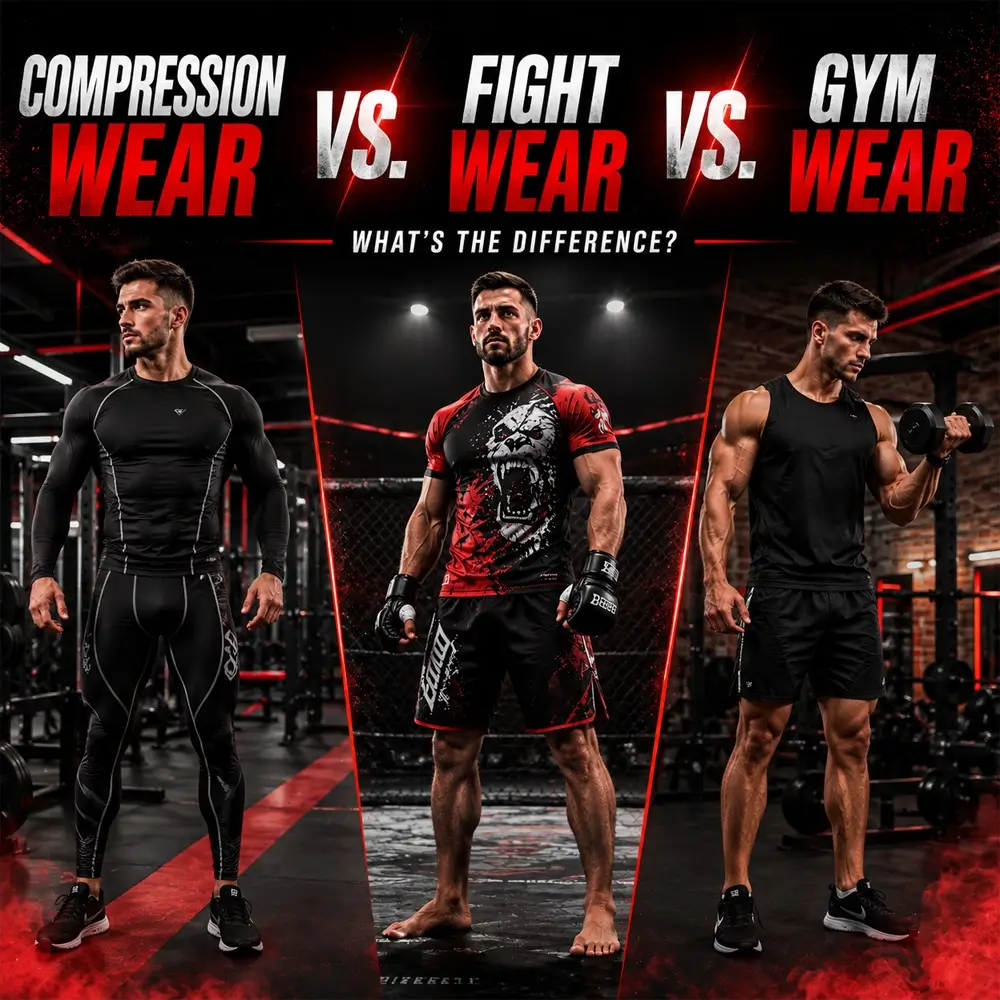
Whether you are a buyer or seller of athletic apparel, you have definitely heard these terms as if they mean the same thing. But they do not. Compression wear vs. fight wear vs. gym wear is a hot debate. They all look the same, but they are not. They all have different purposes and belong to different categories.
For sellers, mixing these up can be costly. You may end up with the inventory you think is right. But it is of no use if it fails to fulfill your customers’ needs. This guide will teach you how to decide and buy with confidence and sell with clarity.
Understanding the Core Difference
Before we get into the details, let’s start with a simple rule.
- Gym wear is about freedom of movement and comfort during general training.
- Compression wear is about tight, targeted support for muscles and blood flow.
- Fight wear is about durability, safety, and performance. They withstand the intense physical stress and contact.
Each category has a different job. Once you understand the job, the design choices make sense.
What Is Gym Wear?
Gym wear is the broadest category. It covers almost anything people wear to lift weights, run on a treadmill, take a fitness class, or stretch.
Common Gym Wear Items
- Loose-fit t-shirts and tank tops
- Training shorts
- Joggers
- Lightweight hoodies
- Basic sports bras
- Casual training shoes
Key Features of Gym Wear?
The main goal is comfort. Gym wear gives the body room to move without restriction. The fabric is usually breathable and soft against the skin.
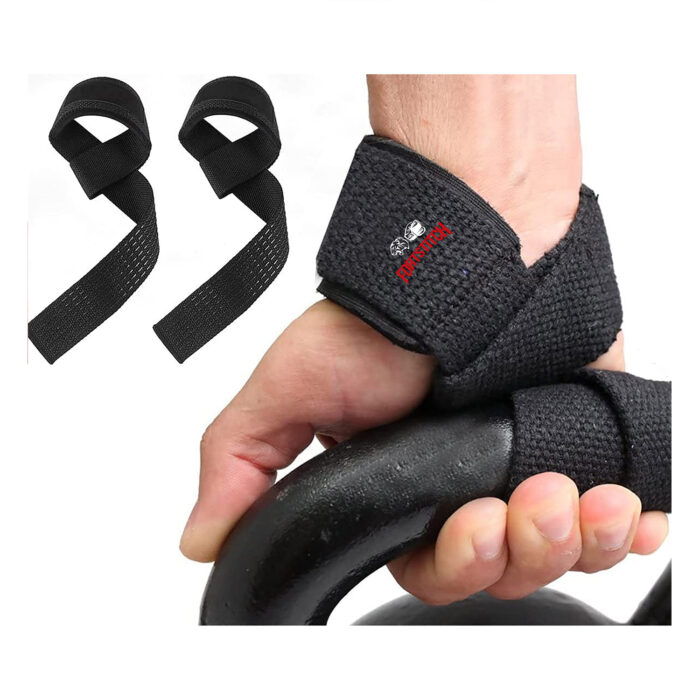
Gym wear is often the easiest category to sell because the audience is huge. Almost everyone who exercises owns some form of gym wear, like belts for weightlifting. But because the market is big, competition is high. Retailers need clear branding or strong pricing to stand out.
What Is Compression Wear?
Compression wear is a special type of clothing. It is not only tight clothing. It applies steady pressure to specific muscle groups to support performance and recovery.
Common Compression Items
- Compression tights and leggings
- Compression shorts
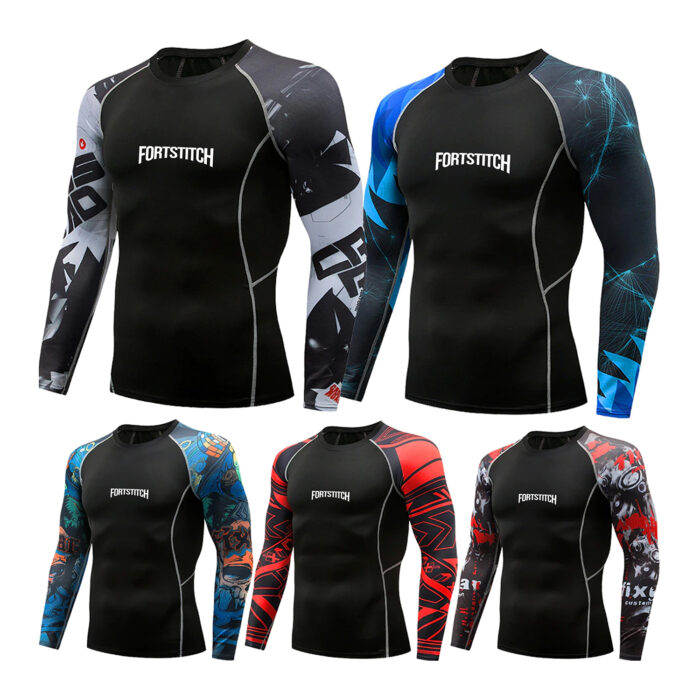
- Compression tops with long or short sleeves
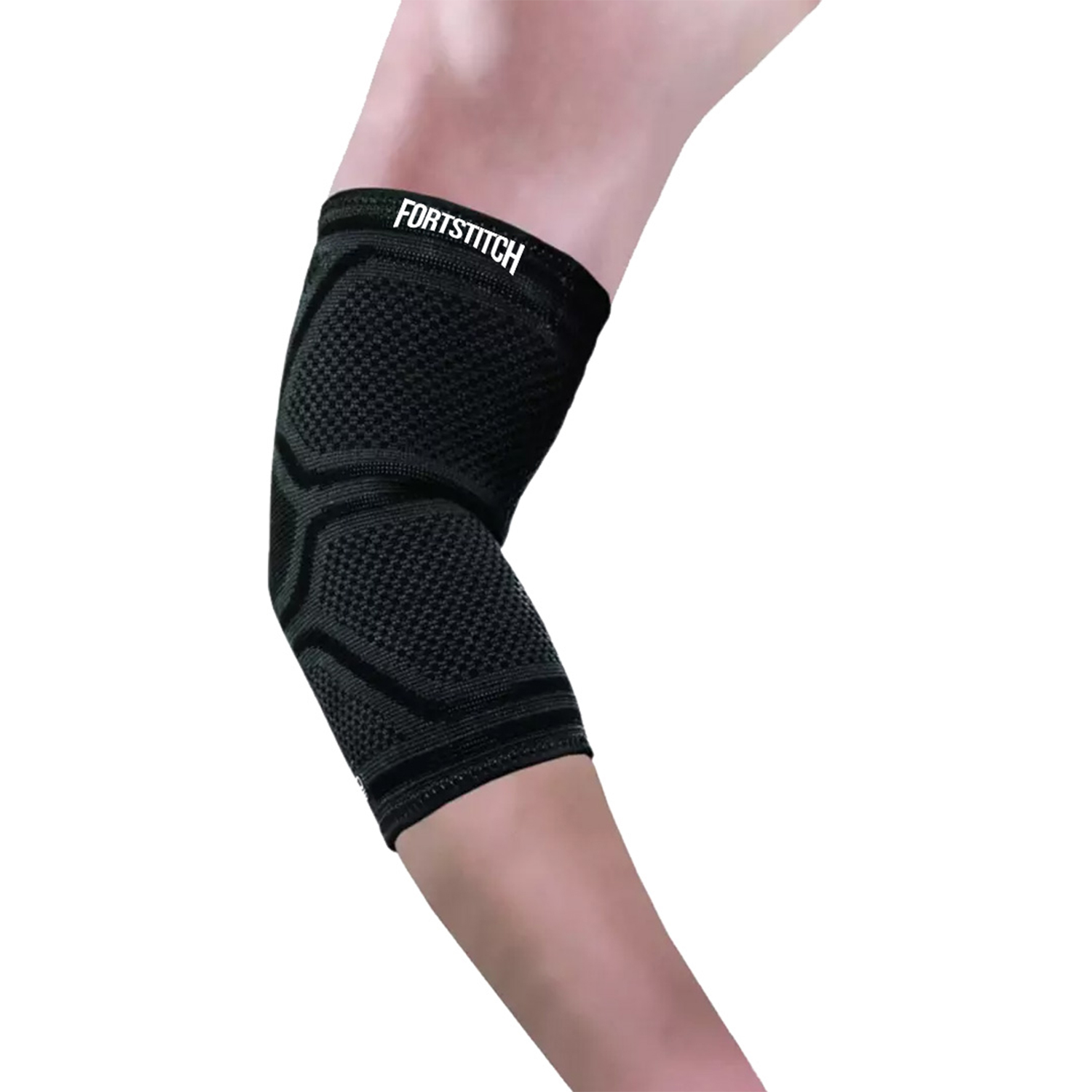
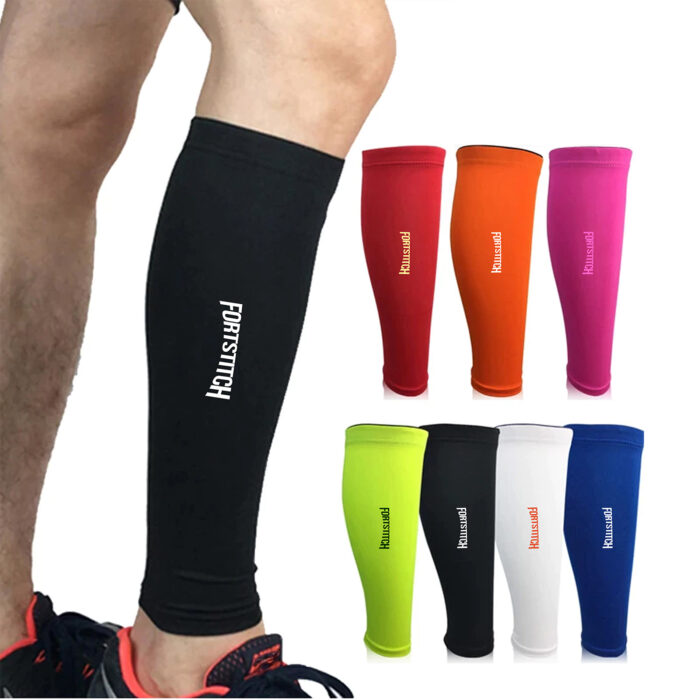
- Compression sleeves for arms and calves
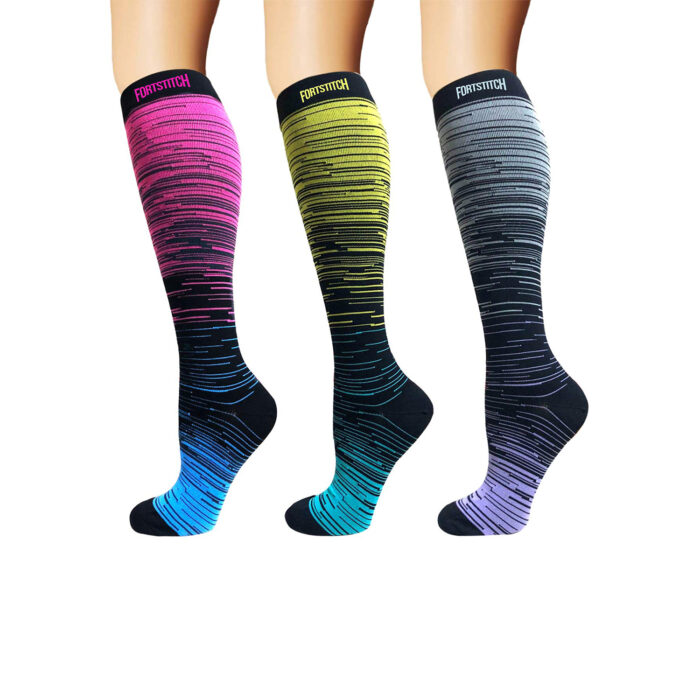
- Compression socks
Key Features of Compression Wear
The main goal is support. The garment fits like a second skin. The pressure helps reduce muscle vibration during movement, which can lower fatigue. Many athletes also use compression gear after training to support recovery. So, it is also important to understand compression garments.
Why the Fit Matters for Retailers?
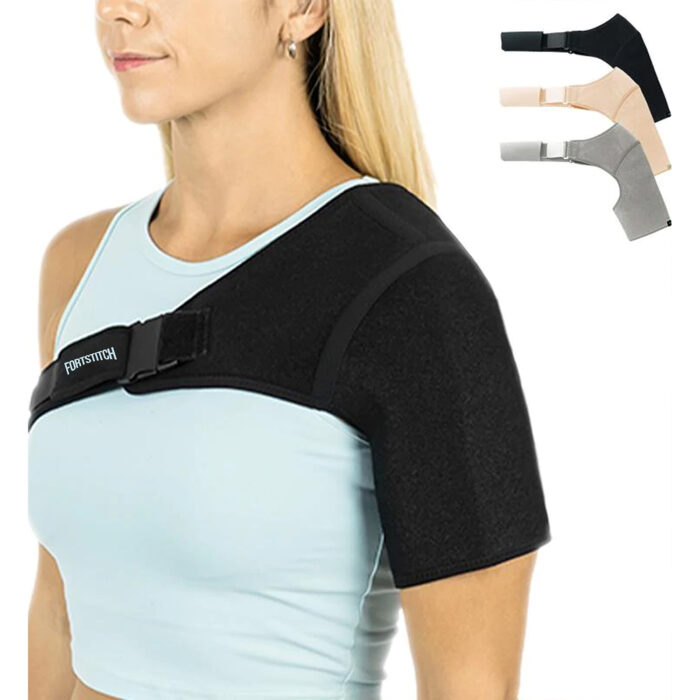
This is a crucial point for buyers. If compression wear like braces for shoulders is too loose, it does nothing. If it is too tight, it restricts blood flow and becomes uncomfortable. That means sizing accuracy is a major selling point. A private label that nails the size chart will win loyal repeat customers.
For wholesalers, compression wear often sells at a higher price point than basic gym wear. Also, how you choose a compression clothes supplier matters. Customers understand they are paying for function, not only fashion.
What Is Fight Wear?
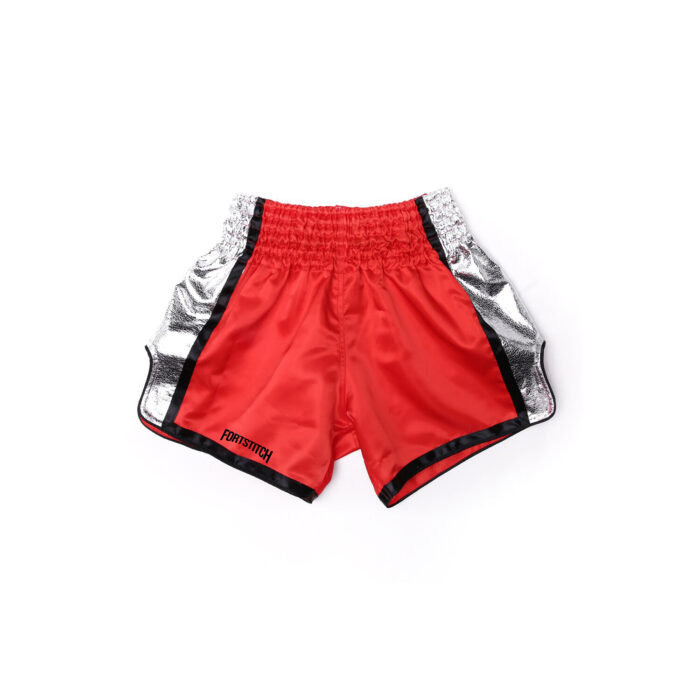
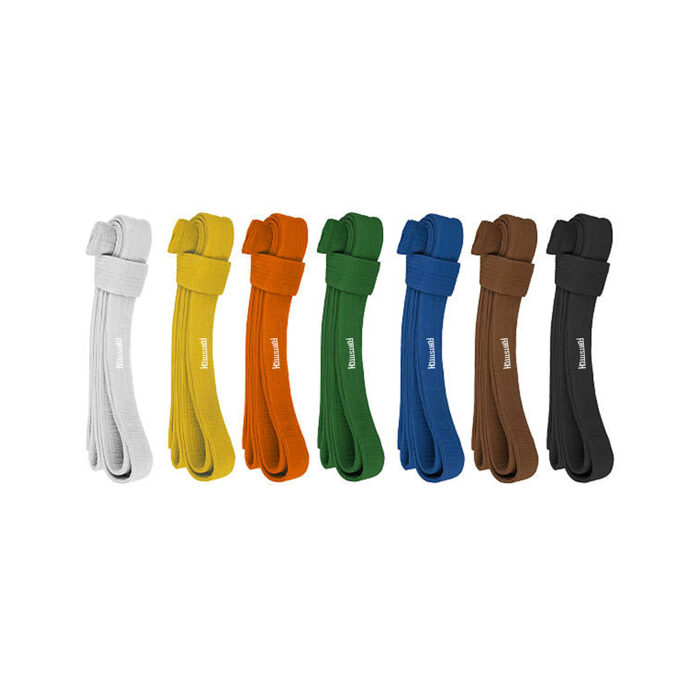
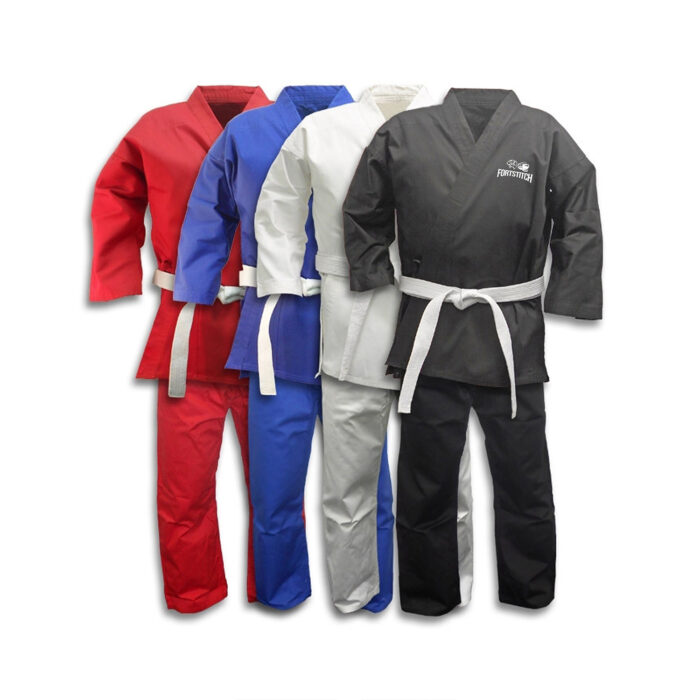
Fight wear is a specialized category built for combat sports. This includes shorts for boxing, suits for Martial arts, and belts for karate. The demands are different from regular training.
Common Fight Wear Items
- Fight shorts (often with side slits for kicking)
- Rash guards
- Grappling spats
- Boxing trunks
- Training gloves and hand wraps
- Competition singlets
Key Features of Fight Wear
The main goal is survival under stress. Fight wear must handle friction from the mat. Also pulling from opponents, and intense sweat. It also needs to move with the athlete in explosive directions.
Why Fight Wear Is a Different Market?
A gym owner might stock basic shorts and t-shirts of cotton. But a combat sports retailer needs gear that will not rip during a grappling session. The customer has good information. They know the difference between a cheap fashion rash guard and a real grappling rash guard.
For private labels, fight wear offers a strong opportunity. Fight athletes are loyal to brands that survive their training camp. They buy in cycles because gear wears out. If you provide consistent quality, you build a steady reorder business.
Compression Wear vs. Fight Wear vs. Gym Wear: A Direct Comparison
To make this simple, let’s put the three side by side.
| Feature | Gym Wear | Compression Wear | Fight Wear |
|---|---|---|---|
| Main Job | Comfort and freedom | Muscle support and recovery | Durability and safety under stress |
| Fit | Relaxed or athletic | Skin-tight | Secure, flexible, and reinforced |
| Fabric Focus | Breathability and softness | Stretch and pressure | Abrasion resistance and tear strength |
| Durability | Moderate | Moderate to high | Very high |
| Target User | General fitness goer | Runners, lifters, athletes | Boxers, grapplers, MMA fighters |
| Price Point | Low to mid | Mid to high | Mid to high |
The table shows the key takeaway: the “best” garment depends entirely on the user’s sport and goal.
How to Choose the Right Category for Your Business?
If you are a retailer or private label, you do not need to sell everything. You need to sell the right thing for your customer.
1. Who is my customer?
If you sell to general fitness enthusiasts, focus on gym wear. If you sell to runners or team athletes, compression wear is a strong add-on. If you sell to combat athletes, fight wear is your core.
2. What problem am I solving?
Gym wear solves the problem of “what do I wear to the gym?” Compression wear solves “how do I train longer and recover faster?” Fight wear solves “what will survive my hardest training session?”
3. What is my sourcing priority?
For gym wear, you prioritize cost and style. For compression wear, you prioritize fabric quality and fit. For fight wear, you prioritize stitching, fabric strength, and real-world durability.
Ready to Source the Right Gear for Your Brand?
Contact us to discuss custom activewear manufacturing for compression wear, fight wear, or gym wear. We help you get the fabric, fit, and function right the first time.
Contact UsA Note for Private Labels
Your brand identity should match one category first. A brand that tries to be everything to everyone often becomes nothing to nobody. Start with one lane. Own that lane. Then expand.
For example, a private label that starts with compression leggings for runners can build a strong reputation for fit and quality. Such a supplier can get benefits when they have proper guidance about bulk compression clothes. Once that trust exists, adding a gym wear line feels natural to the customer. But launching all three at once without focus usually dilutes the brand.
What Buyers Should Look for in Each Category?
If you are sourcing these products, here is a practical checklist.
For Gym Wear Sourcing
- Fabric weight: Too thin feels cheap. Too heavy feels hot.
- Stitch quality: Basic flatlock or overlock stitching should be clean, with no loose threads.
- Colorfastness: Gym clothes get washed often. Dyes should not fade after a few washes.
- Size range: Gym wear buyers expect inclusive sizing.
For Compression Wear Sourcing
- Fabric composition: Look for at least 15-20% spandex for true compression.
- Elastic recovery: The fabric should snap back to shape after stretching.
- Flatlock seams: These reduce chafing during long runs or training sessions.
- Moisture-wicking properties: Sweat should move away from the skin, not sit on it.
- Accurate size charts: This is non-negotiable. Returns kill profit margins.
For Fight Wear Sourcing
- Reinforced stitching: Double or triple stitching at stress points like the crotch and side seams.
- Abrasion-resistant fabric: Look for high-denier polyester blends.
- Waistband security: Drawstrings and silicone grippers help keep shorts in place during grappling.
- Flexibility: The garment must allow high kicks and deep squats without restriction.
- Real-world testing: If possible, ask the manufacturer if the gear has been tested in actual training conditions.
Common Mistakes Retailers Make
Mistake 1: Using “Compression” as a Buzzword
Some brands label any tight shirt as compression. But if the fabric does not provide true graduated pressure, it is just a fitted shirt. This hurts your credibility. Only use the word “compression” when the product actually delivers that function.
Mistake 2: Selling Fight Wear to Gym Customers
Fight wear has a specific look and function. A general gym customer might find a rash guard uncomfortable or odd-looking. A combat athlete will find a regular gym shirt useless on the mat. Match the product to the customer.
Mistake 3: Ignoring Fabric Quality
In all three categories, fabric is the product. A cheap fabric might look fine in a photo but fail after a month of use. This leads to bad reviews and no repeat purchases. For long-term success, test fabric quality before ordering in bulk.
Mistake 4: No Clear Size Guidance
This is a big issue in compression wear and fight wear. These garments fit differently than regular clothes. If you do not provide clear, specific size guidance, you will drown in returns. Include measurements, fit notes, and even video guides if possible.
The Role of a Good Manufacturer
When it comes to private label and wholesale supplies, a manufacturer should be a strategic partner. A good manufacturer understands the difference between each category. They will guide you well on fabric selection, stitching methods, and fit blocks.
Fortstitch has good experience with product development. You want gym wear, compression wear, or fight wear. We understand the manufacturing process and know the problems brands face.
This matters for sourcing and production. Because wrong material selection will waste money and time. This is how a reliable team makes a difference.
Conclusion
After a long discussion, it is clear that each clothing item has a unique job. Gym wear brings comfort; compression wear offers support. And fight wear offers durability. Whether you are a buyer, private label, or shopkeeper, understanding these differences is the key to smart sourcing and right marketing. Start small with one category. Source quality products, test the market, and then scale. This is how real business grows.
FAQs
Q1: Can compression wear be used as gym wear?
Yes. Many people wear compression shirts or tights to the gym. They work well for lifting and running. But not all gym wear is compression wear. Gym wear is usually looser and less technical.
Q2: Is fight wear the same as compression wear?
No. Fight wear may fit snug, but its main goal is durability and safety during combat sports. Compression wear focuses on muscle support and recovery. Some fight gear, like spats, has compression benefits, but the build quality and fabric focus are different.
Q3: What fabric is best for gym wear?
For general gym wear, polyester blends with moisture-wicking properties work well. Cotton is comfortable but holds sweat. A cotton-polyester blend is a good middle ground for everyday training.
Q4: Why is fight wear more expensive than regular gym wear?
Fight wear costs more because it requires stronger fabrics, reinforced stitching, and more testing. It must survive intense friction, pulling, and washing. That level of durability adds to the production cost.
Q5: Do I need to sell all three categories?
No. Most successful brands start with one category. Choose the one that matches your target customer. Master that niche before expanding.