
Boxing Body Protectors Explained: Types, Materials, and Buying Guide

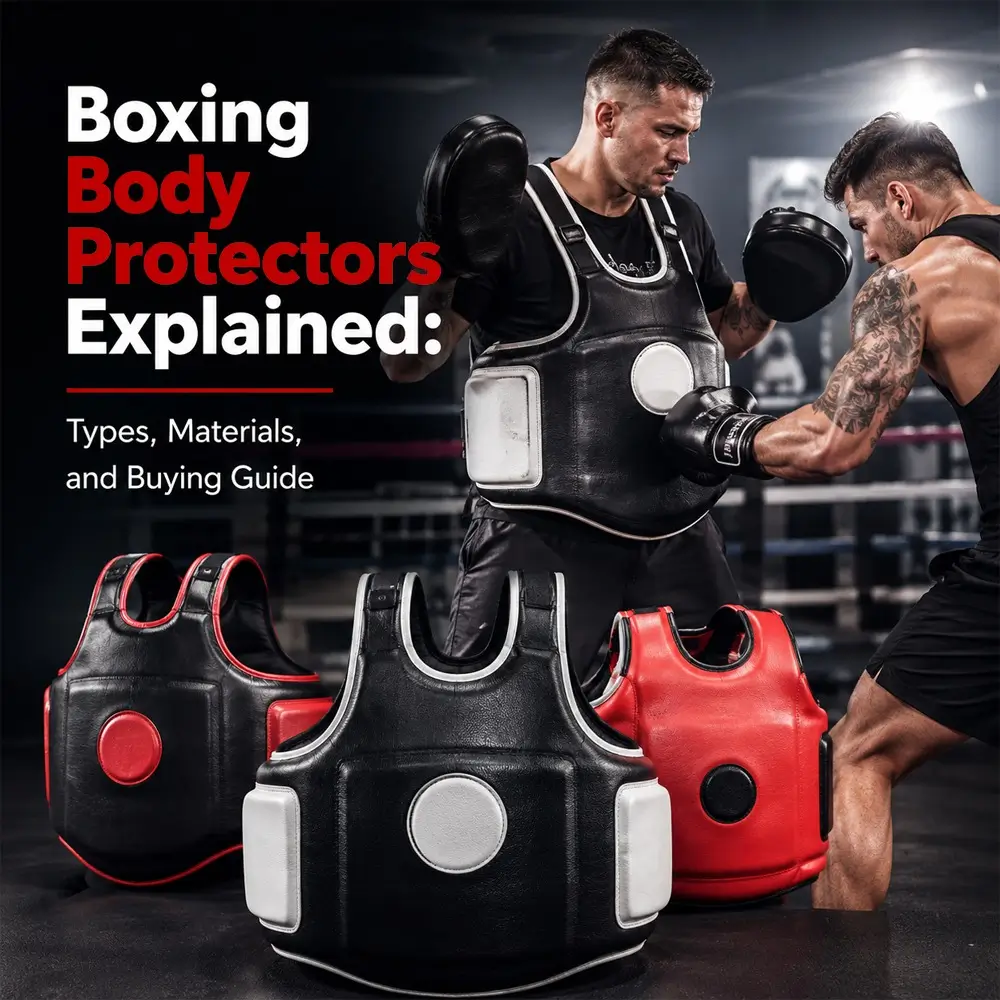
A boxing protector is the most important piece of gear but also very easy to ignore. There are also other important pieces of equipment like padding, straps, and a shell. These all have an equal role when training with a coach or a sparring partner. When buying training gear or selling stock, that moment is a real test.
This guide brings you boxing body protectors explained — including types, materials, and a buying guide. Whether you are a buyer or a seller, you will learn which protector is best for your needs, what materials affect price and safety, and how to find a reliable supplier for quality products.
Boxing Body Protectors Explained: Types, Materials, and Buying Guide
Body protectors for boxing are padded pieces of gear worn over or under clothing. They protect the groin, lower stomach, ribs, or chest from impact. Some are small and focused. Others cover more of the torso. The right choice depends on the user, the sport, and the materials in the product.
Common Types of Boxing Body Protectors
You may find a long list of body protectors when buying for your gym or yourself. But there is a list of boxing protective equipment that everyone must buy.
Materials Used in Boxing Body Protectors
Outer Shell
Padding
Lining
The inside of the protector touches the body or clothing. Soft mesh linings allow airflow. Moisture-wicking fabric helps keep skin dry. Some linings have anti-odor treatments — a strong selling point for gyms and active users.
Straps and Closures
Most protectors use elastic waistbands, hook-and-loop straps, or buckles. Wide straps are more comfortable. Strong stitching at the strap attachment points is a sign of good construction. If straps feel thin or loose on a sample, the product will not hold up.
Buying Guide: How to Choose the Right Boxing Body Protector
Whether you are buying one unit or a full container, these steps help you choose with confidence.
Reliable Boxing Body Protectors for Stores and Private Label Brands
Need reliable boxing body protectors for your store or private label line? Contact us to request samples or discuss your product needs.
Start With a Free QuoteShop Our Protection Range
What Retailers, Wholesalers, and Private Label Buyers Should Look For?
If you buy for resale, your process should be more careful than a single consumer’s buying. You are buying training equipment for boxing and also investing in the safety of athletes.
- Stock a broad size range. Youth, adult, and plus sizes help you reach more customers.
- Carry both entry and premium options. This improves your margin mix and meets different needs.
- Ask about private label programs. Custom logos, colors, and packaging can help build your brand.
- Request samples before committing. Check the padding, straps, and stitching in person.
- Review the sizing chart with real measurements. A clear size guide cuts down on returns and support tickets.
- Ask about lead times and low order quantities. These affect your cash flow and inventory planning.
Common Mistakes to Avoid When Ordering Boxing Body Protectors
FortStitch: Your Complete Body Protectors Equipment Providers
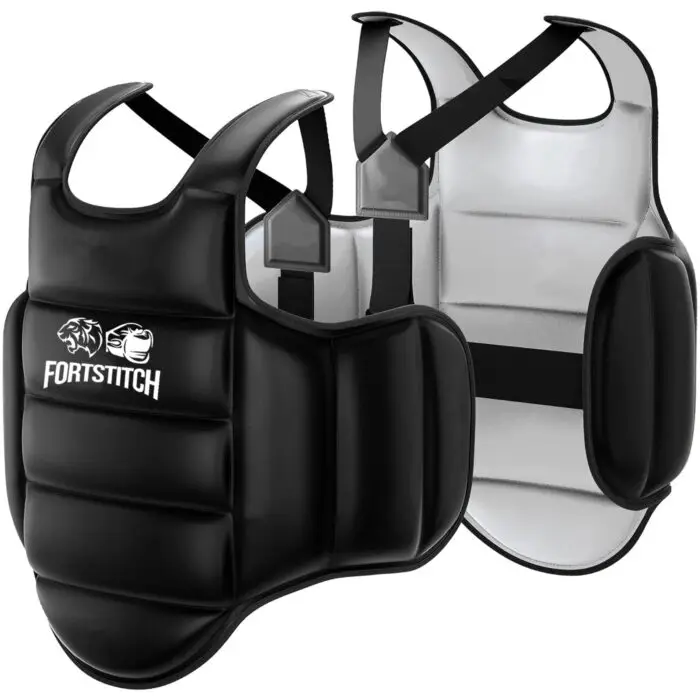
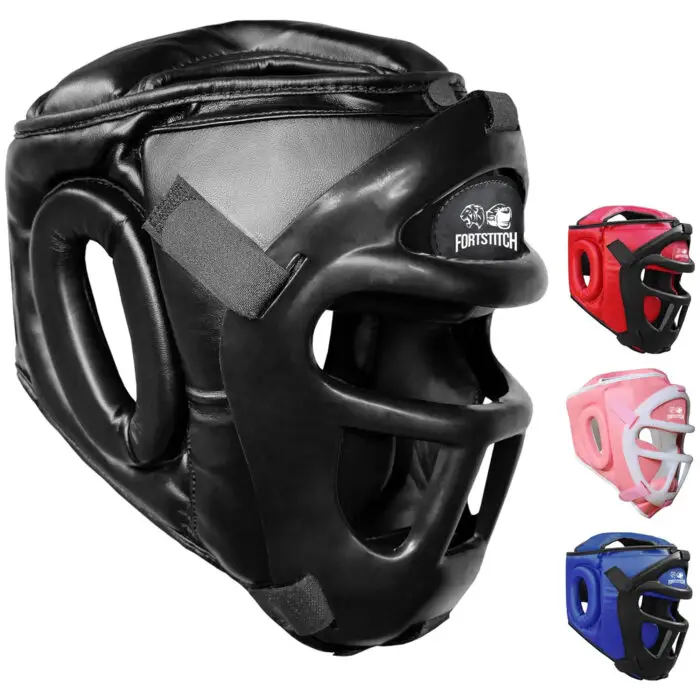
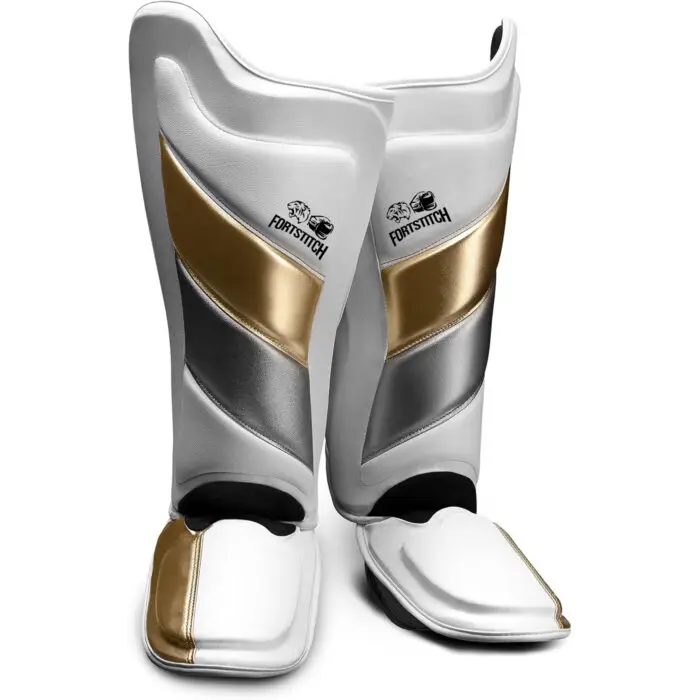
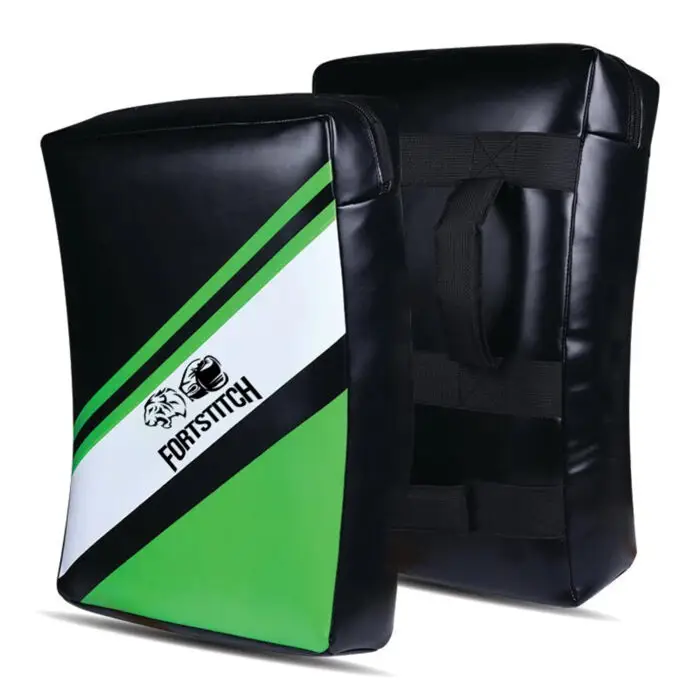
FortStitch has built its name on quality and trust. Retail stores, gyms, wholesalers, and private-label brands — every group is on our supplier list at the global level. Our range includes groin guards, boxing body protectors, boxing shinguards, and boxing kick shields. Also, boxing headgear and customised gear on demand.
Buyers can order samples, check sizing charts, and add custom logos. You can order a small batch to test the market and quality, or place a bulk order for consistent quality and clear lead times. FortStitch will give you complete end-to-end solutions for your brand.
Samples, Wholesale & Private Label Options — All in One Place
Ready to stock boxing body protectors your customers can trust? Check our whole collection to request samples and compare materials. You can also discuss wholesale and private label options.
Check Our Whole CollectionConclusion
Body protectors for boxing may feel very simple. But small differences in materials can change the whole game. The right protector will stay in place, absorb the impact, and fit the user’s size. You are a retailer, wholesaler, or private-label buyer. A clear guide helps you make clever choices. Avoid common manufacturing mistakes and stock weak gear that customers never trust. Compare types, check materials, and always ask for samples before ordering in bulk.
FAQs
Q1. What materials are best for boxing body protectors?
Genuine leather, synthetic leather, layered EVA foam, gel inserts, and moisture-wicking linings are common. The best choice depends on price point and the level of protection required.
Q2. How do I choose the right size?
Measure the waist and check the supplier’s size chart in inches. Look for adjustable straps so the protector fits close without shifting during movement.
Q3. Can women and youth use the same body protectors?
Not always. Women’s and youth protectors are shaped and sized differently. Stocking separate options is safer and more comfortable for those users.
Q4. How do I clean a boxing body protector?
Wipe the outer shell with a damp cloth and mild soap after use. Air dry it away from direct heat. Do not soak the padding as it can break down foam density over time.
Q5. Should I buy leather or synthetic leather for retail?
Offer both if possible. Leather appeals to premium buyers. Synthetic leather works well for budget-conscious customers and is easier to clean — making it a strong gym-market option.