
Boxing Protective Equipment List: What Every Fighter Needs

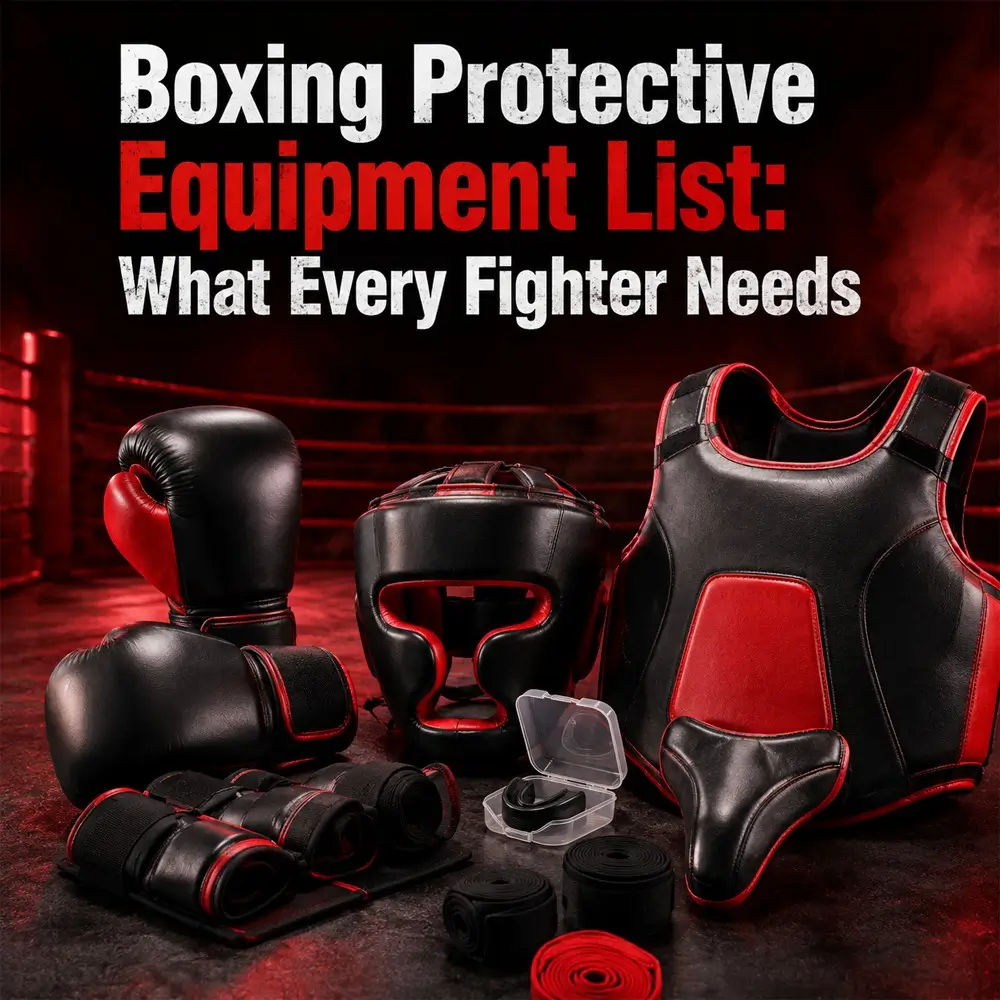
I remember the first day at my boxing gym. I thought I only needed gloves. But I met a huge surprise when my coach handed me a boxing protective equipment list. That was my first learning about boxing protective gear.
Boxing is fun, tough, and great for our fitness. But we also need to protect ourselves from head to toe. The problem is there are so many brands out there. Some are cheap, and some are expensive. How to know what you need?
The Complete Boxing Protective Equipment List For You
I’ve broken down every piece of gear you need. Not only athletes but every boxing club must invest in this boxing gear. Think of this as your quick, no-mess-up guide. Later, you can grab the full checklist as a printable sheet.
Boxing Gloves
Gloves cushion your punches, protecting both your hands and your training partner. For bag and pad work, use bag gloves. For practicing with a partner, use sparring gloves with extra padding. For competition, lightweight fight gloves are best — but your coach will tell you when you need those.
A quick rule: weigh the glove in ounces based on your body weight. Smaller people use 12–14 oz; larger people need 16–18 oz. Customised boxing gloves with Velcro straps are easy to put on alone. Boxing gloves with laces need help but give a tighter fit.
Headgear
A boxing head protector shields your forehead, cheeks, and ears — and the back of your head — during sparring. There are different types:
If you plan to compete in amateur boxing, check which kind your local boxing body allows. A snug, comfortable fit is everything — too loose and it shifts when you get hit.
Boxing Shin Guards
Boxing Body Protector
Groin Protector
Chest Protector (Women)
Hand Wraps
Mouthguard
Best Quality and Price on Every Item on This List
Outfit your fighters with the complete protective kit. Contact us for the best quality and price on every item on this list: gloves, headgear, wraps, and more.
Contact UsBoxing vs. Other Combat Sports: What Protection You Actually Need
Boxing is about punches only. You do not kick, knee, elbow, or wrestle. That means the gear you need to start boxing differs from other sports like kickboxing, Muay Thai, or MMA. I often hear new people ask, “Do I need shin guards for boxing?” The answer is no — and the table below shows you why.
A checkmark (✓) means you need it. An X means you do not.
| Protective Gear | Boxing | Kickboxing | Muay Thai | MMA |
|---|---|---|---|---|
| Hand Wraps | ✓ | ✓ | ✓ | ✓ |
| Boxing Gloves | ✓ | ✓ | ✓ | ✓ (smaller MMA gloves in fights) |
| Mouthguard | ✓ | ✓ | ✓ | ✓ |
| Headgear | ✓ (training) | ✓ (training) | ✓ (training) | ✓ (training) |
| Groin Protector | ✓ | ✓ | ✓ | ✓ |
| Shin Guards | ✗ | ✓ | ✓ | ✓ (sometimes) |
| Chest Protector (Women) | ✓ (competition often) | ✗ (optional) | ✗ (optional) | ✗ (optional) |
| Body Protector (optional) | ✓ (training) | ✓ (training) | ✓ (training) | ✓ (training) |
| Knee Pads | ✗ | ✗ | ✗ | ✓ (grappling) |
| Elbow Pads | ✗ | ✗ | ✓ (sometimes) | ✓ (grappling) |
Materials & Safety Standards
When I first started boxing, I grabbed the cheapest gloves. I learned the hard way that materials matter. The right material makes your gear last longer, protect better, and feel more comfortable.
Leather vs. Synthetic vs. Microfiber
It is important to understand the difference between leather and PU boxing gloves and other materials. This helps you choose the right gloves for the right location.
Foam Types: What Absorbs Impact Better?
Inside your gloves and headgear, the foam does the real protection. Not all foam is the same. There are different kinds of headgear; most use layered foam or a dense IMF core. Look for padding that is firm but not rock-hard — if you press your thumb into it and it stays dented, the foam is poor quality.
What to Avoid: Common Gear Mistakes & Dangerous Purchases
I’ve watched beginners walk into the gym with shiny new gear, only to find out it’s useless — or dangerous. Here’s what to stay away from.
FortStitch: Your Trusted Source for Best Protective Equipment
Whether you are a brand, a startup, or a private label, FortStitch is the best source for all your protective gear and boxing equipment. A global supplier trusted for their quality and commitment. Every product is labeled with certifications and materials. Perfect knowledge about sizing and fit.
Whether you are an established brand or a startup, they offer the best flexible terms and affordable prices. All your solutions under one roof. Take your athletes’ safety as seriously as a good coach.
Best Pricing on Certified Boxing Protective Gear
Equip your whole gym with the best protective gear. Contact us today for the best pricing on certified boxing protective gear. Keep your fighters safe, your stockroom full, and your business ready.
Contact Us for a Free QuoteConclusion
Now we know what we need to stay safe in the ring. We have walked through each piece of protective gear. We know now how to look for and what to avoid to stay safe. Always keep your checklist in hand. Whether you are a gym owner or a wholesaler, safety comes first. Buy your stock from a trusted and well-reputed buyer. Train hard, protect yourself, and enjoy every round.
FAQs
Q1. What protective equipment is used in boxing?
Boxers wear hand wraps, boxing gloves, a mouthguard, headgear, and a groin protector. Women also wear a chest protector in many competitions. Some boxers add a padded body protector during hard training.
Q2. What equipment does a boxer need?
At minimum, a boxer needs hand wraps, boxing gloves, and a mouthguard. For sparring, you add headgear and a groin protector. Women need a chest protector if competing. A body protector is helpful but optional.
Q3. What are the names of all the equipment used in boxing?
The full list includes hand wraps, boxing gloves, a mouthguard, headgear, a groin protector, and sometimes a body protector. Women also use a chest protector. Shin guards are not used in boxing.
Q4. Can I use boxing gloves without hand wraps?
I don’t recommend it. Hand wraps support your wrists and protect the small bones in your hands. Gloves alone don’t give enough support. Skipping wraps can lead to painful injuries, especially during heavy bag work.
Q5. How often should I replace my mouthguard?
Replace your mouthguard every season, or about every six months. If it gets sharp edges, cracks, or stops fitting snugly, change it sooner. A worn-out mouthguard won’t protect your teeth and jaw properly.