
Boxing Training Equipment Every Club Should Invest In

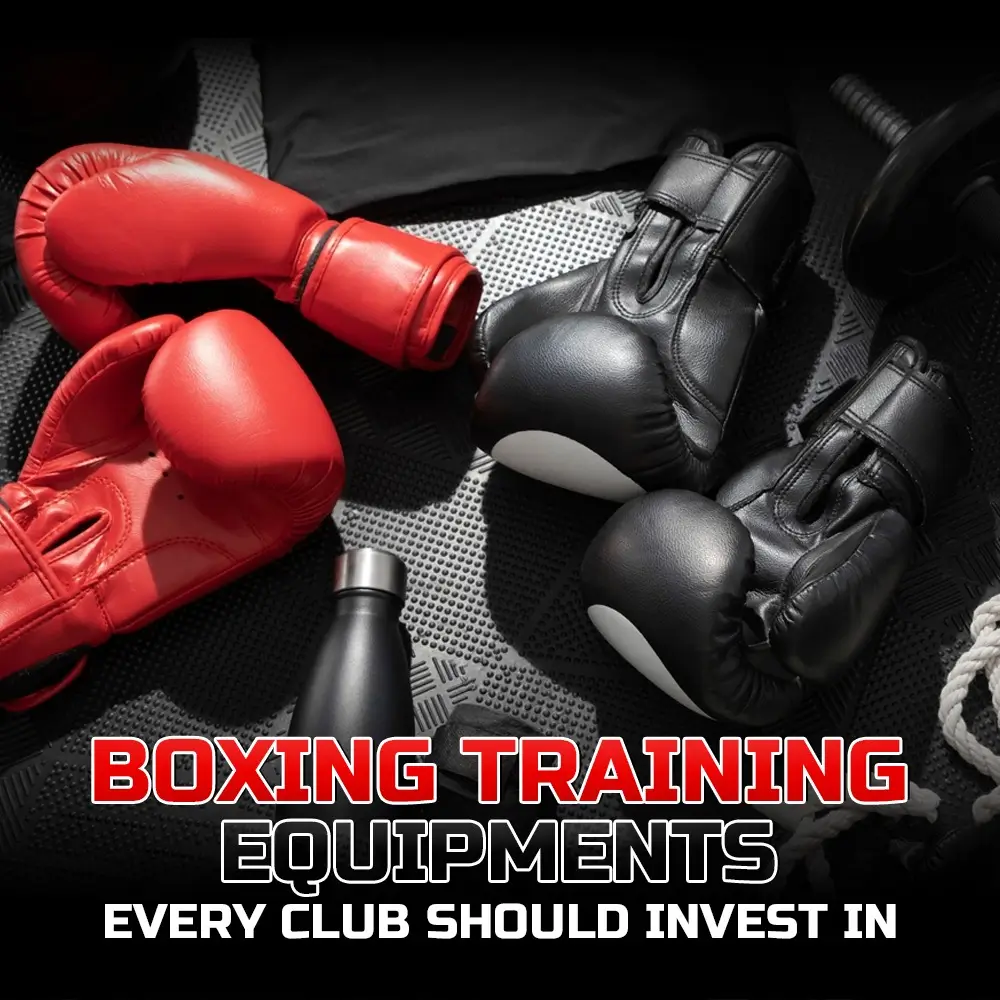
If you run a boxing club, a gym, or a sports shop, you already know this: buying the wrong gear is expensive. Buying from the right boxing gear manufacturer changes that.
Every year, gym owners and club managers spend thousands on equipment that wears out quickly, breaks easily, or simply does not meet members’ needs. The result? More money wasted. More complaints from coaches. More time spent replacing gear that should have lasted years.
This guide is here to help. We have listed 7 key pieces of boxing equipment that every club needs, along with exactly what to look for when buying them in large quantities. Whether you are setting up a new club or stocking up for the season, this is your go-to checklist.
The Essential 7 Boxing Equipment
From gloves to kick shields, here is exactly what to stock and what to look for when buying each item in bulk.
Boxing Gloves
Boxing gloves are the first thing every member will ask for. They protect the hands of the person punching and also protect the person on the other side. Without good gloves, training is not safe, and your club’s reputation depends on keeping people safe.
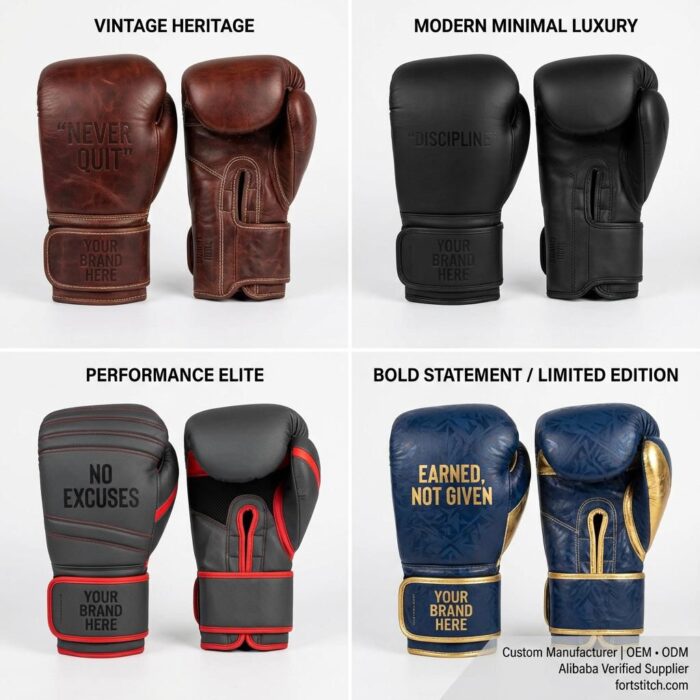
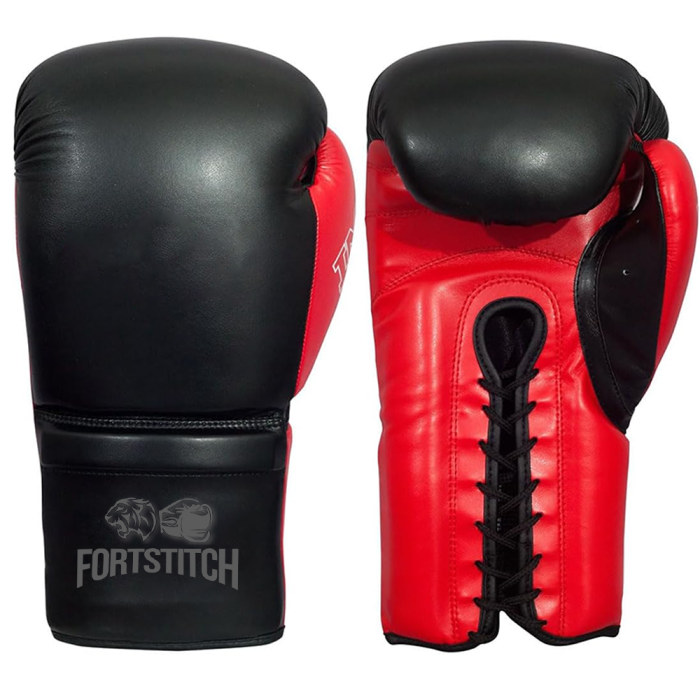
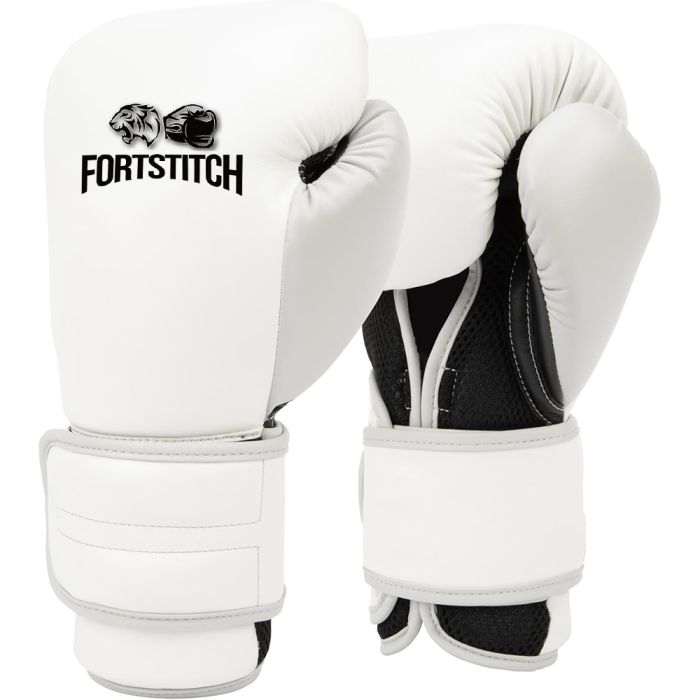
When buying boxing gloves in bulk, stock different sizes: 10oz, 12oz, 14oz, and 16oz. Lighter gloves are great for bag work and pad drills. Heavier gloves are used for sparring, where extra padding is needed. Look for gloves made from real leather or strong synthetic material with thick foam inside and a good wrist strap. Good gloves last longer, so you save money over time.
Order a mix of sizes. Most clubs need more 12oz and 14oz than anything else. Talk to your supplier about club sets; many offer matching gloves and bags together at a lower price.
Shop Boxing Gloves
Punching Bags
Shop by Category
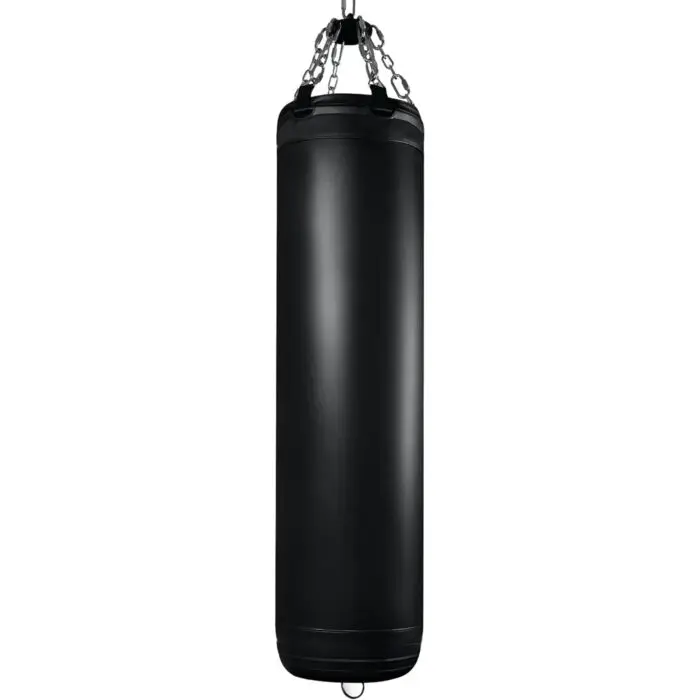
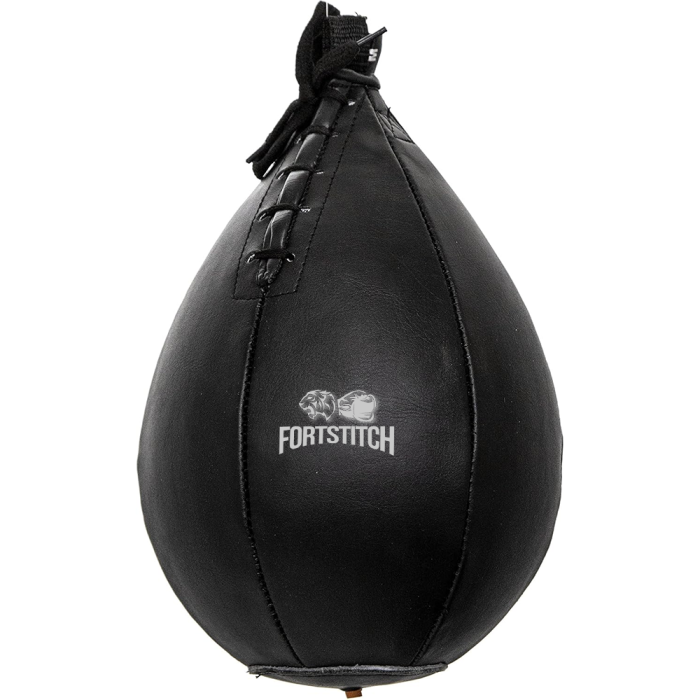

Punching bags for boxing are the heart of any boxing gym. They let fighters train hard on their own, working on power, speed, and combinations without needing a partner. A gym with only a few bags will always feel crowded and slow things down during busy training sessions.
For a full setup, you need a mix of bag types. Heavy bags (80–150lbs) are for building punch power. Speed bags help with timing and fast hand movement. Double-end bags improve accuracy and reflexes. When buying for a club, go for bags with strong chains, thick outer covers, and good filling that does not go hard or lumpy over time. Bags take a lot of hits every day, so build quality matters a lot.
For a gym of 20–30 members, a starting order of 8–12 heavy bags plus 4–6 speed bags is a good base. Free-standing bags are great if you need flexible floor layouts.
Body Protectors
Shop Body Protectors
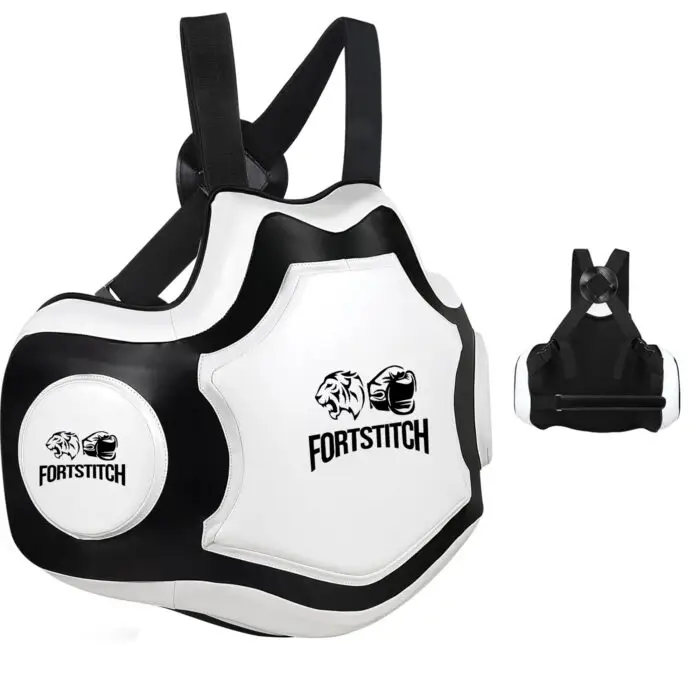
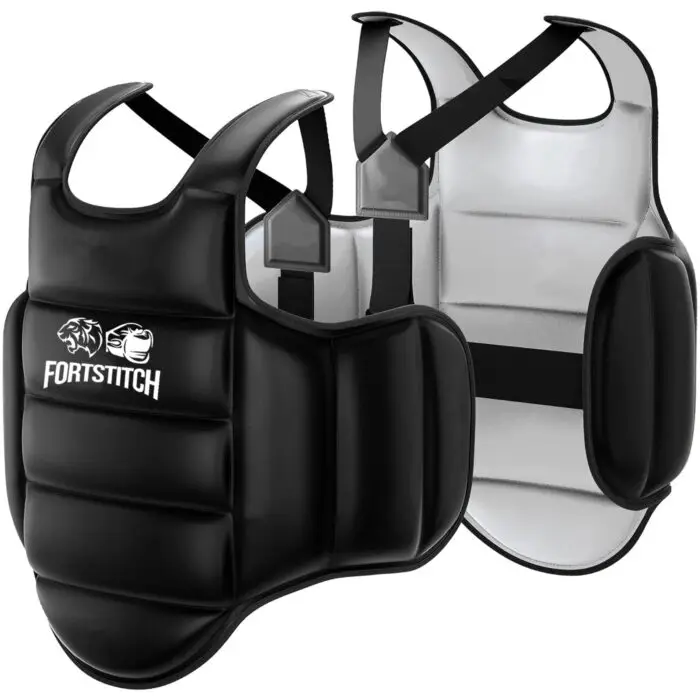
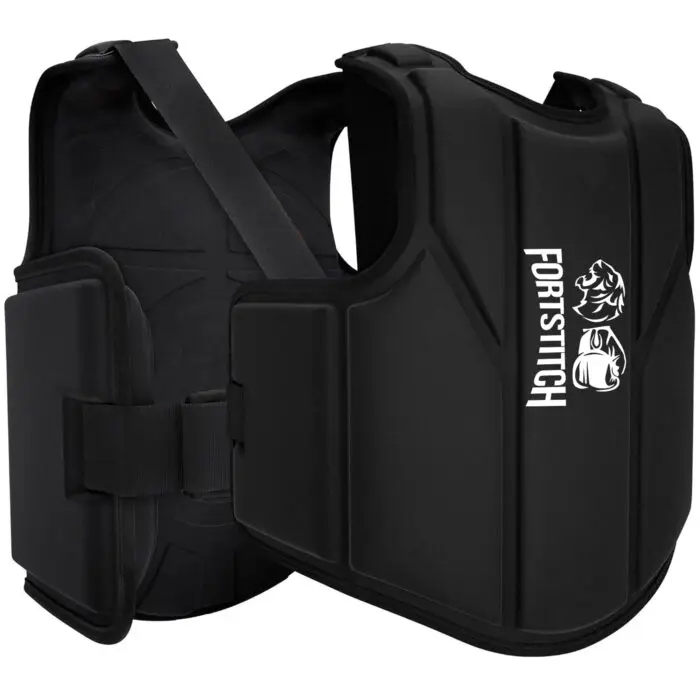
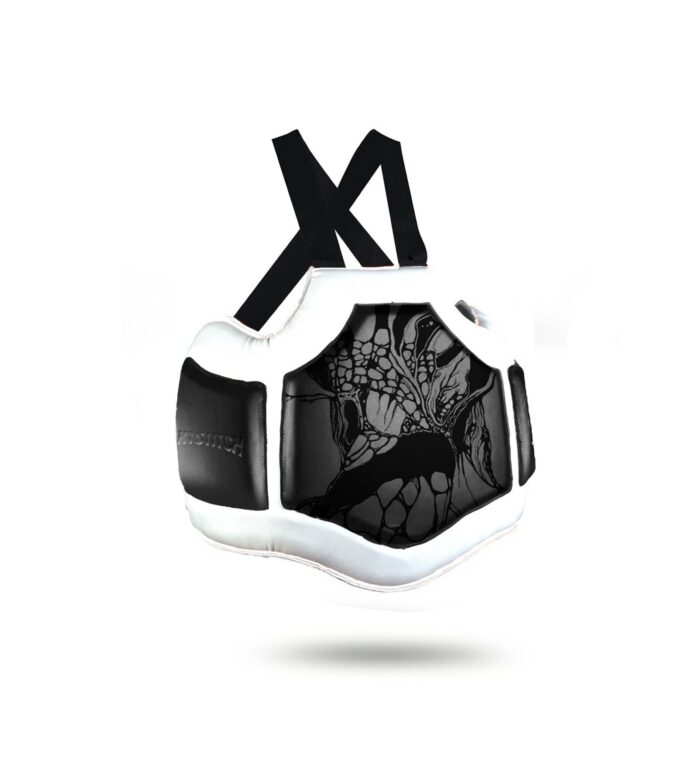
Body protectors are worn by coaches and training partners during drills to soak up hard body punches. If your coaches hold pads every day, they need good body protection; otherwise, they will get hurt and cannot train your members properly.
A good body protector covers the chest, ribs, and stomach. It should have thick padding in layers (not just one thin layer), strong straps that hold it in place, and a shape that fits the body well. Cheap ones go flat fast and stop working after a few months of heavy use. When buying in bulk for your coaching team, get the same model for everyone so they are easy to replace.
One body protector per coach is the minimum. If you run multiple classes at the same time, you will need one per active coach per session. Size variety matters; order S, M, L, and XL.
Don’t Wait Until Your Current Bags Are Torn or Flattened
Contact our team today for a custom bulk quote. We’ll help you choose the right mix of heavy, speed, and free-standing bags for your floor space and member count.
Contact Us for a Free Custom QuoteBoxing Head Guards
Shop Boxing Head Guards
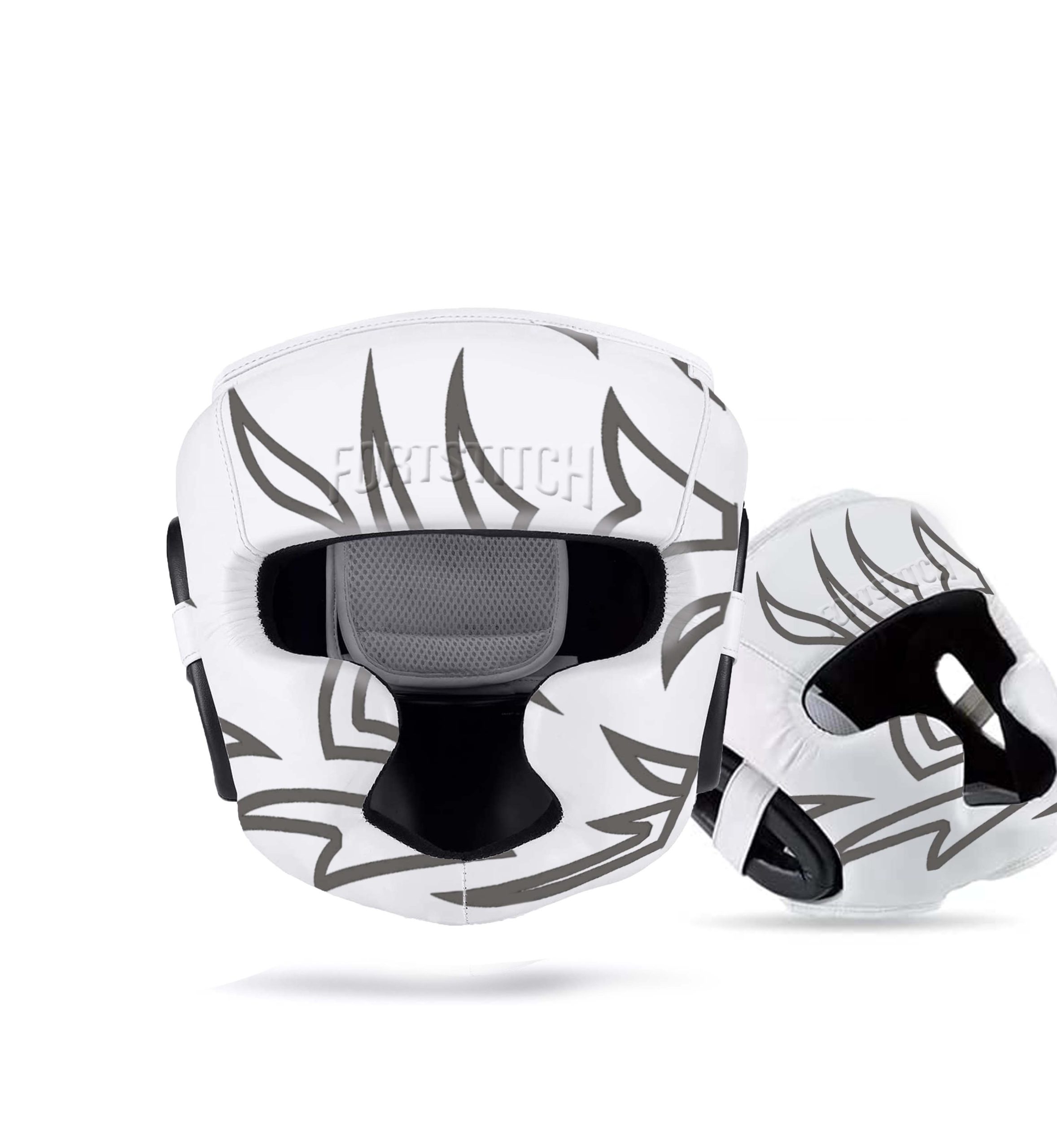
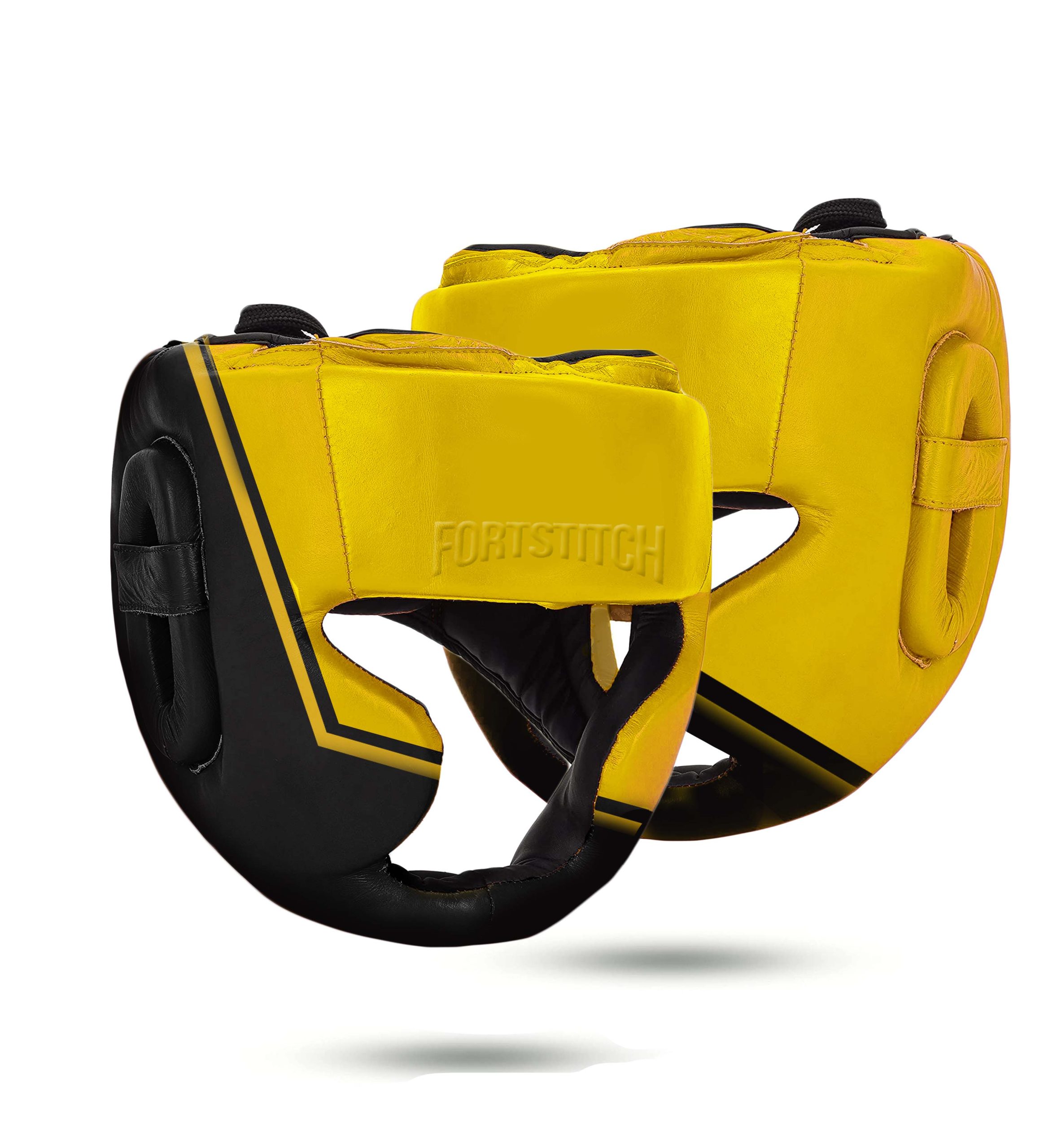
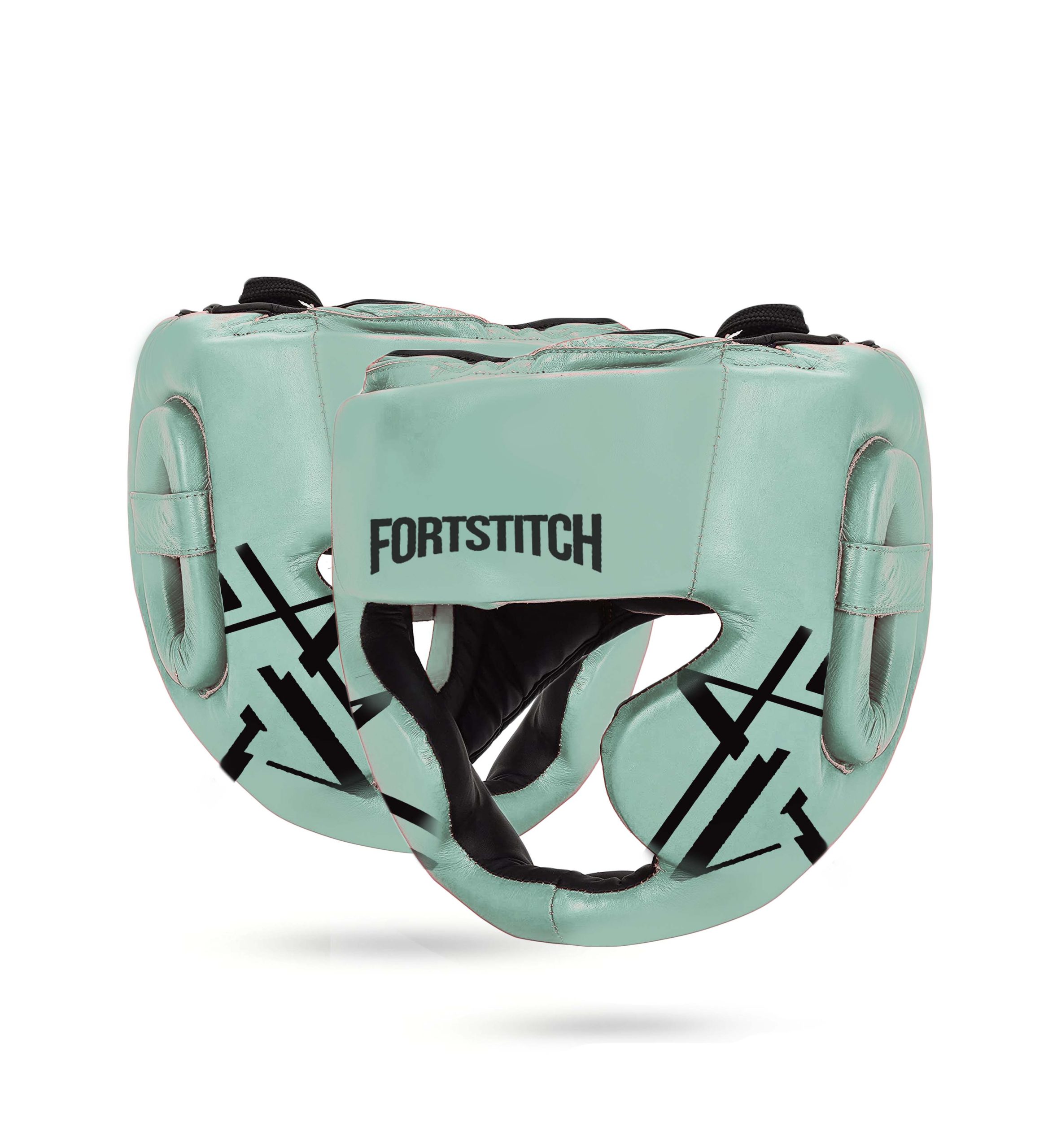
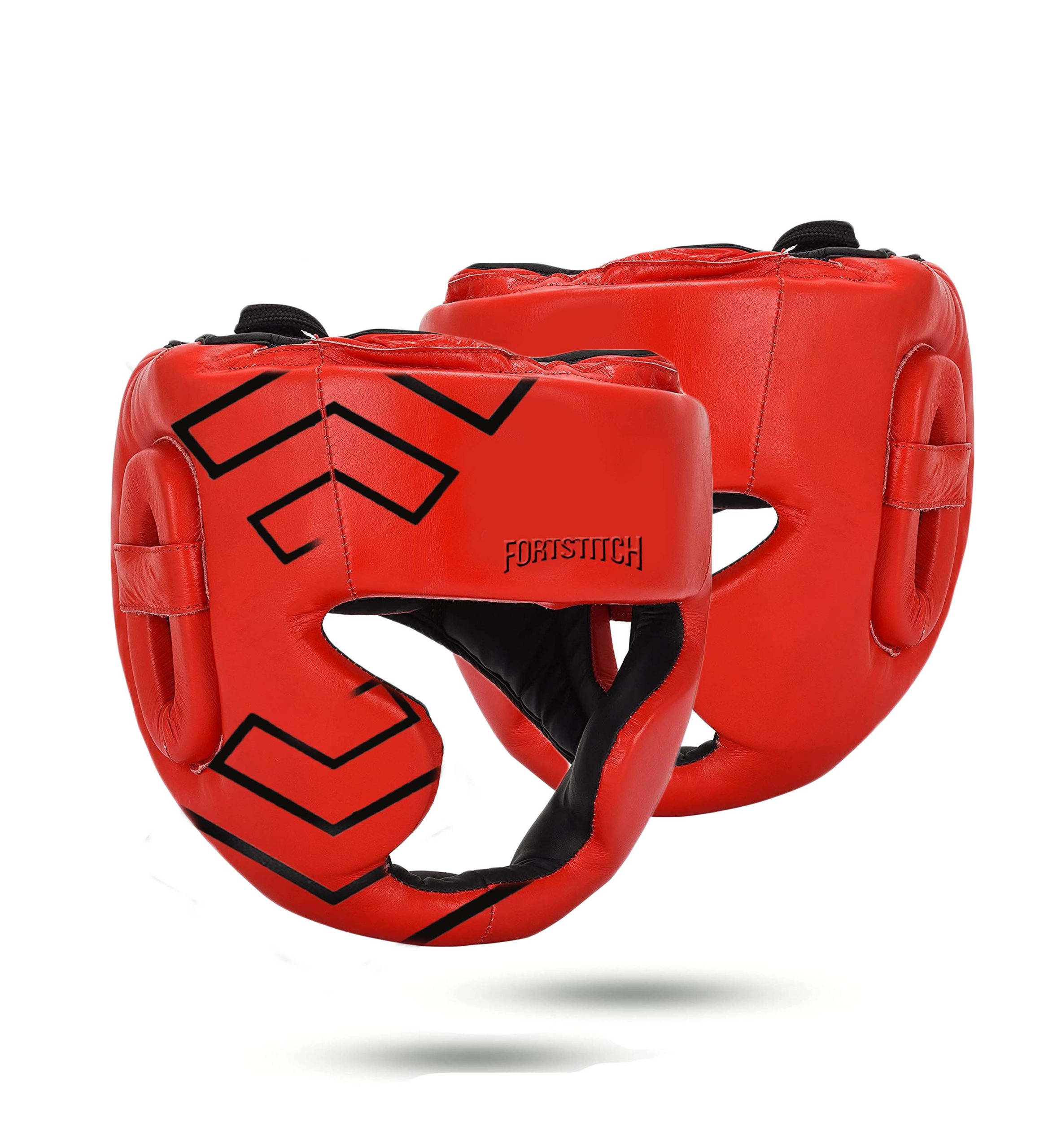
Head guards for boxing keep fighters safe during sparring. They stop cuts, protect the ears and face from hard hits, and give new members the confidence to spar without fear. Any club that does sparring sessions needs good head guards, no exceptions.
There are different types of headgears . The two main types are. Open-face guards let fighters see and breathe easily, good for more experienced boxers. Full-face guards with extra cheek and chin padding are better for beginners.
When buying in bulk, get both types and a range of sizes. Head guards that are too big move around during sparring, which is dangerous. Check the chin strap system; it must be easy to adjust but stay locked during a session.
Boxing Shin Guards
Shop Boxing Shin Guards
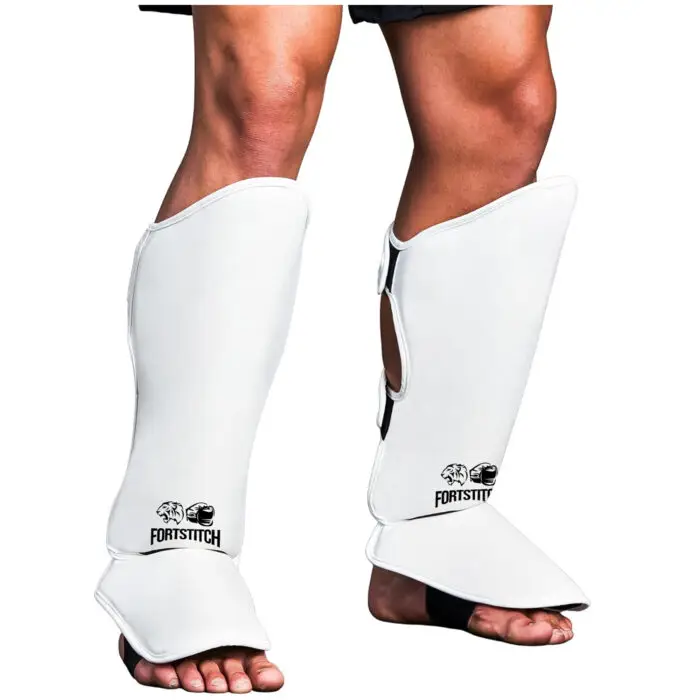
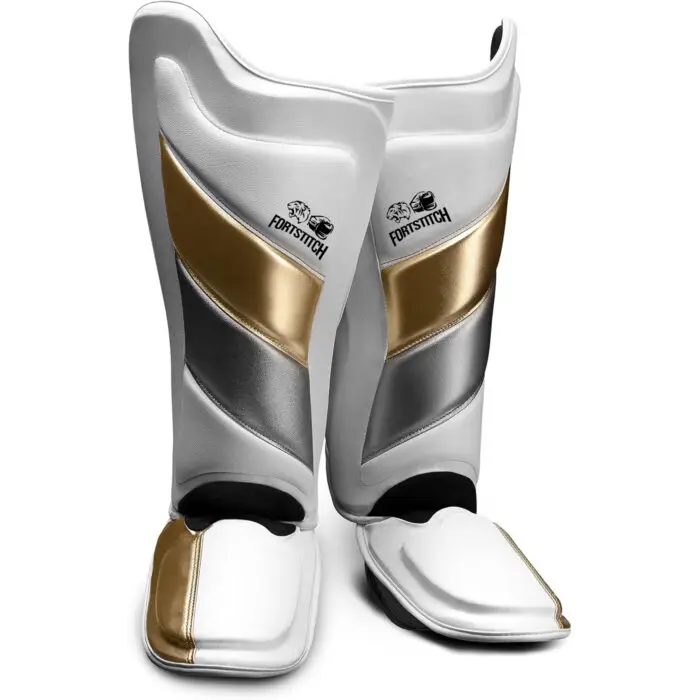
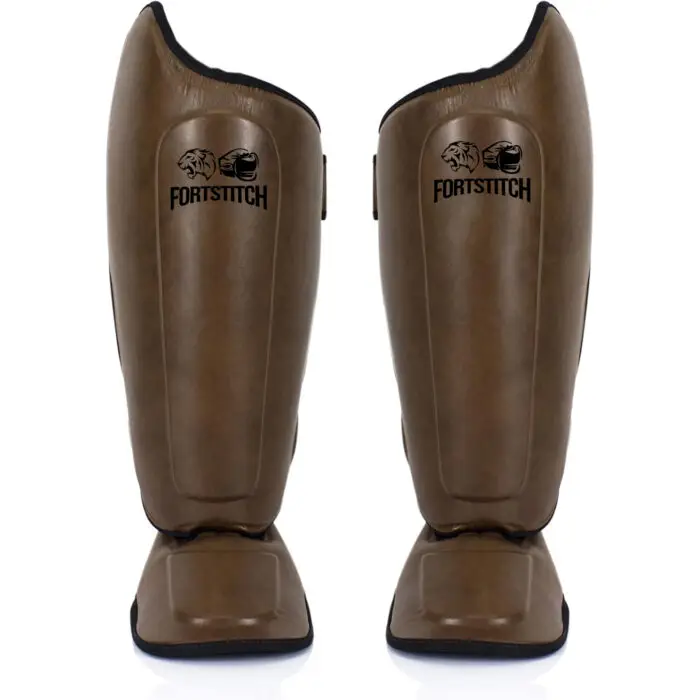
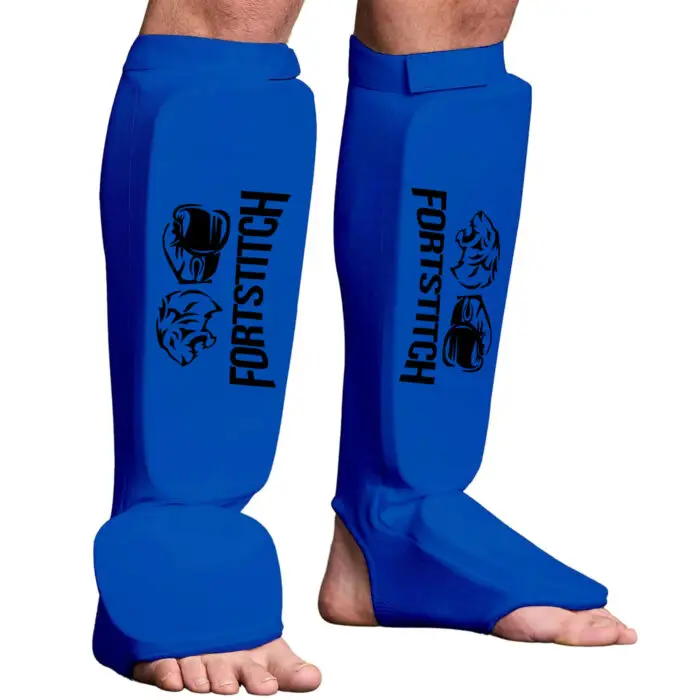
Shin guards protect the lower leg during contact training. Even in boxing-only clubs, shin contact can happen during footwork drills, clinch work, and partner exercises. One bad knock on an unprotected shin can leave a member unable to train for weeks.
Good shin guards cover the full shin bone and the top of the foot. They must stay in place when the fighter moves; guards that slide around are both annoying and useless. Look for high-quality shin guards with strong Velcro straps, a curved shape that matches the leg, and padding that is thick enough to actually absorb impact. Avoid very bulky models; they slow movement down and make footwork training harder.
If your club runs any kickboxing or fitness boxing classes, double your shin guard order. These sell fast in bulk to schools and multi-sport gyms too.
Boxing Kick Shields
Shop Boxing Kick Shields
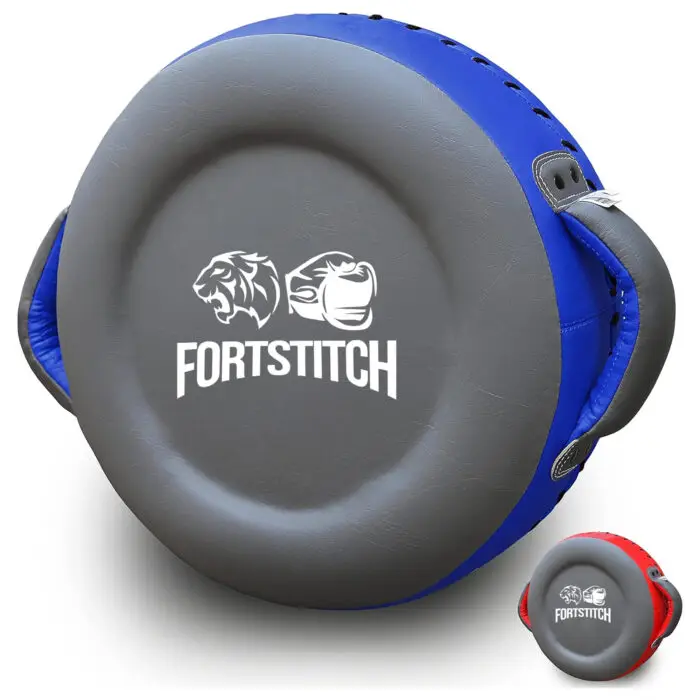
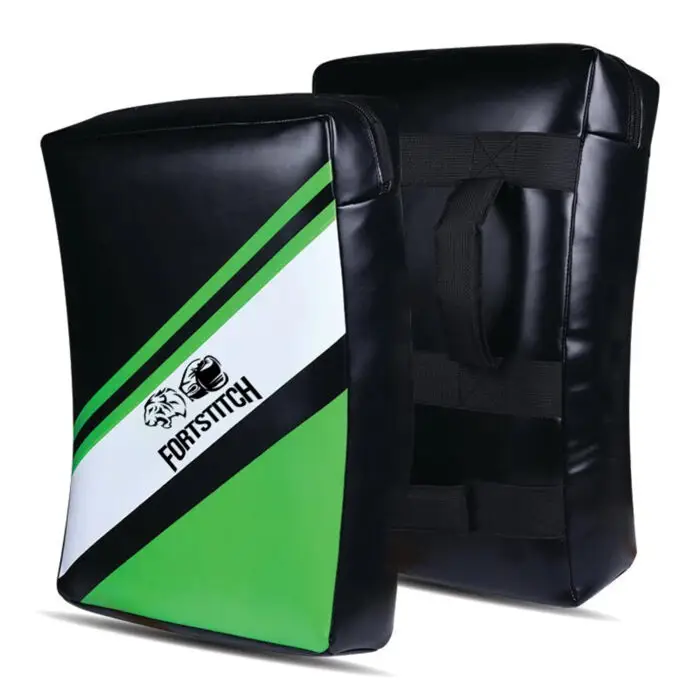
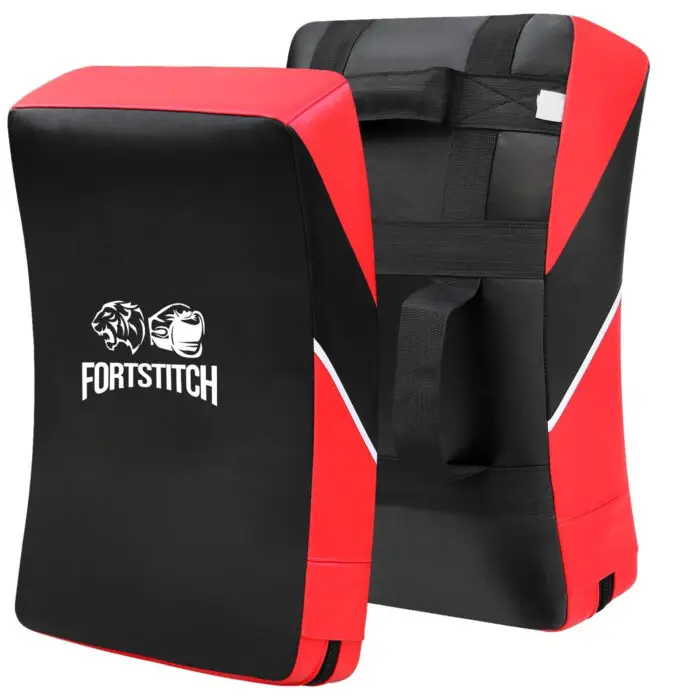
Kick shields for boxing are large, thick pads held by a partner or coach to catch heavy kicks, knees, and strong punches. Unlike smaller pads, kick shields are built to handle full-power strikes. They make training more real; fighters get to hit hard against something that moves and reacts, just like in a real fight.
A good kick shield has thick foam in multiple layers, a strong outer cover that does not split or crack after heavy use, and comfortable handles that protect the holder’s wrists. Bad kick shields break at the handles or lose their shape quickly; this wastes money and can hurt the person holding them. For clubs that train fighters seriously, kick shields are used every session, so quality matters.
Order at least one kick shield per coach plus a few extra for group drills. They are also popular with schools and PT studios, good to stock if you are a wholesale retailer.
Boxing Mitts
Shop Boxing Mitts
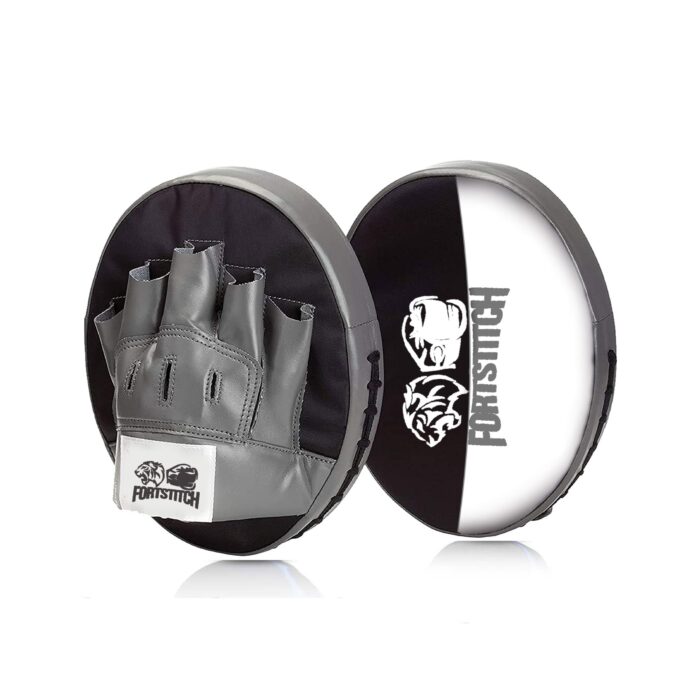
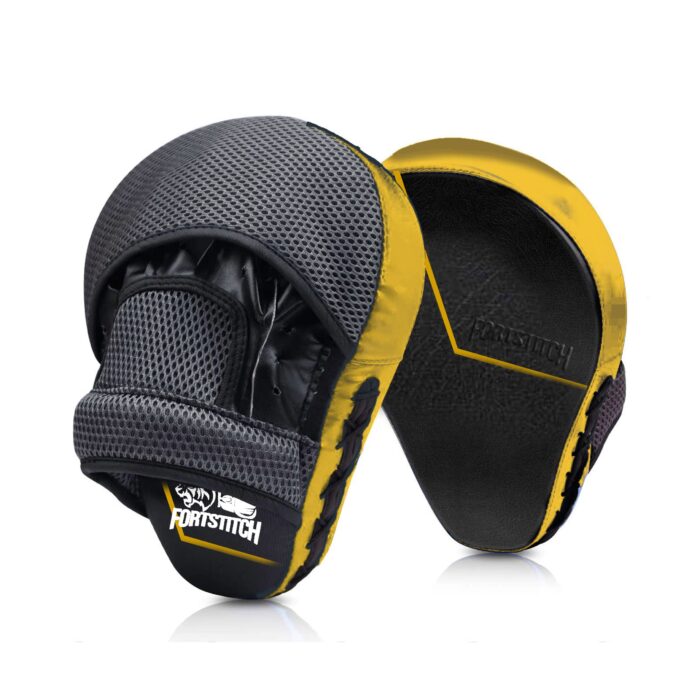
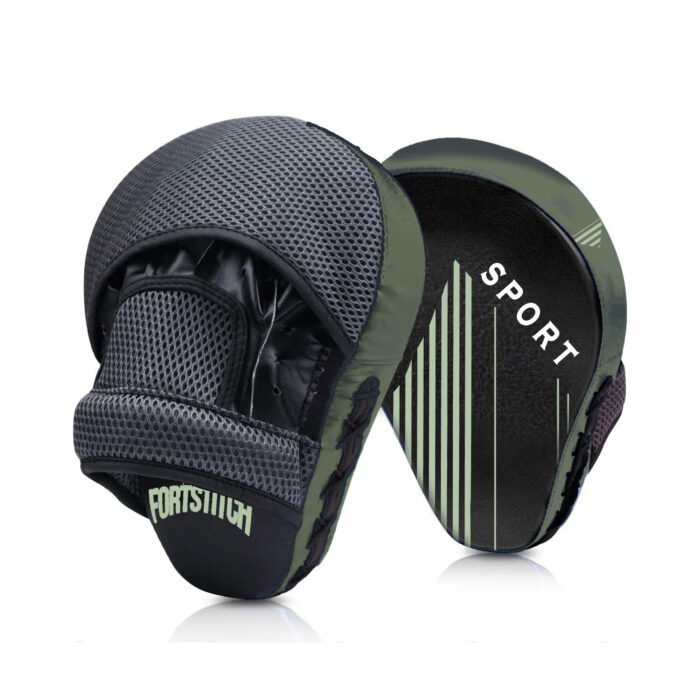
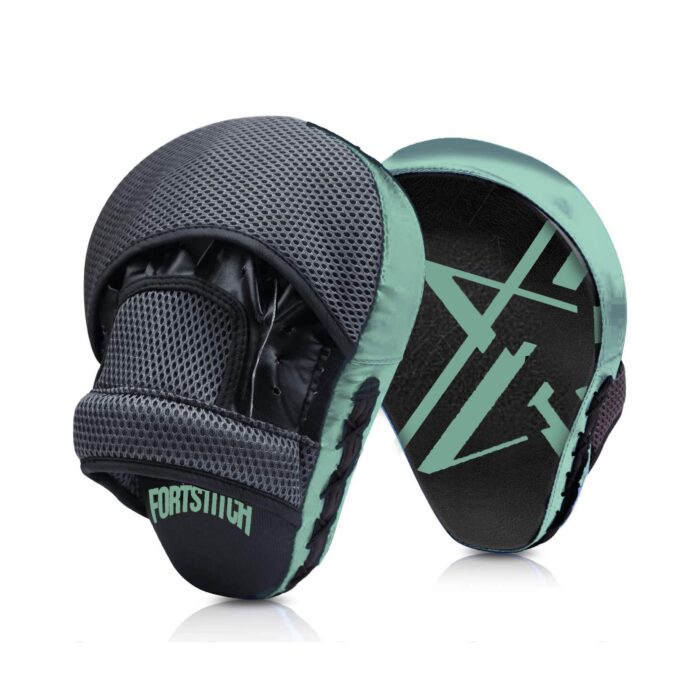
Boxing mitts, also called focus pads, are held by a coach or training partner while the boxer punches them. Mitt work is one of the best ways to train in boxing. It is fun, fast, and helps fighters get better quickly. Every coach needs a good pair, and every busy club needs several.
The best mitts have a solid catch zone in the middle that does not deform after lots of punches, good wrist support for the person holding them, and a surface that gives a clear “pop” sound when hit correctly; this gives the fighter instant feedback.
Mitts wear out faster than almost any other piece of equipment, so when getting custom boxing mitts in bulk, plan to replace them regularly and buy enough pairs to have spares ready.
Stock Your Club the Smart Way
Buying the right boxing equipment in bulk is one of the best decisions you can make for your club, gym, or sports business. You save money, keep your members happy, and avoid the stress of constantly running out of gear.
Use this list as your checklist, and when in doubt, always choose quality over the cheapest option. Your members will notice the difference, and so will your bottom line.
Whether you’re opening a new club or restocking for peak season, get the gear your coaches and members deserve. Contact us for a free quote, volume pricing, and fast delivery, because smart clubs invest in quality, not replacements.
Contact Us for a Free QuoteFAQs
What is the best equipment for boxing training?
Quality gloves, heavy bags, speed bags, head guards, body protectors, shin guards, kick shields, and focus mitts. Prioritize durability, proper fit, and leather construction for safety and longevity.
How profitable is a boxing gym?
Profitable if managed well — margins of 15–35% are common. Success depends on membership volume, class pricing, retail sales, and minimizing equipment replacement costs through smart bulk buying.
What should every boxer have?
Well-fitted gloves, hand wraps, head guard, mouthguard, skipping rope, boxing shoes, and access to heavy bags and mitts for proper technique development and injury prevention.
How many hours a day do pro boxers train?
Typically 4–6 hours daily, split into two sessions — morning cardio and conditioning, afternoon technical work, sparring, and bag drills, plus recovery and nutrition planning.
Who hits harder, MMA or boxing?
Boxers generate higher peak impact forces due to superior technique, weight transfer, and rotational power. MMA fighters hit hard but often sacrifice pure power for versatility and grappling.