
Choosing the Right Punching Bag Types Explained

You have started your combat or boxing training. Choosing the right punching bag for your routine is not about randomly picking. You need to think carefully. Also, consider some key factors like size, weight, material, and the training you do.
Training for powerful strikes? Prefer a punching bag with a stand. If you start boxing training, a heavy punching bag will be a better choice. It is an essential tool that imitates the resistance and impact of a real opponent. These bags are not only for boxers or combat athletes — they deliver a complete workout.
So, to get the most out of your training, you must select the right bag and also a reputed supplier.
Why Bag Type Matters More Than You Think
Bag type matters more than you think. Your training goals, training style, and exercise routine should decide the bag. Not the other way around. If you want to train power and heavy combinations, a hanging heavy bag makes sense.
But if your routine is around footwork, timing, and fast hands, a speed bag or bag fits better. If you train at home in a small space and mostly work on conditioning, a kick bag filled with resilient material will keep you consistent.
I’ve seen people buy a massive hanging bag for an apartment — only to quit because it swung too much or made too much noise. I’ve also watched beginners struggle on a rock-hard bag. Whereas a softer, lighter option would have kept them motivated. Your training style matters too: do you like stationary power work, or do you move around? Do you mix kicks, knees, and punches, or stick to boxing?
Your exercise routine also matters — like short HIIT sessions, long technical rounds, and rehab-style movement. All ask different things from a bag. Pick the bag that matches what you actually do, not what looks toughest on the rack.
Custom Punching Bags With Your Logo, Colors, and Materials
Ready to build your own line of punching bags? We help startups and brands create custom bags with their own logo, colors, and materials. One bag or a full gym setup.
Contact Us for a Free QuoteThe Main Types of Punching Bags (And Who Buys Them)
The following are the main types of punching bags that you must know.
Heavy Bags: The Bread and Butter
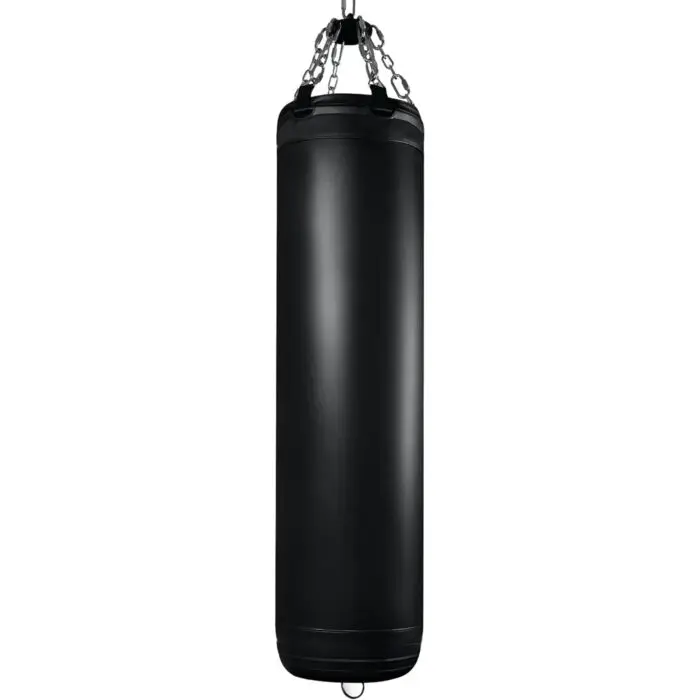
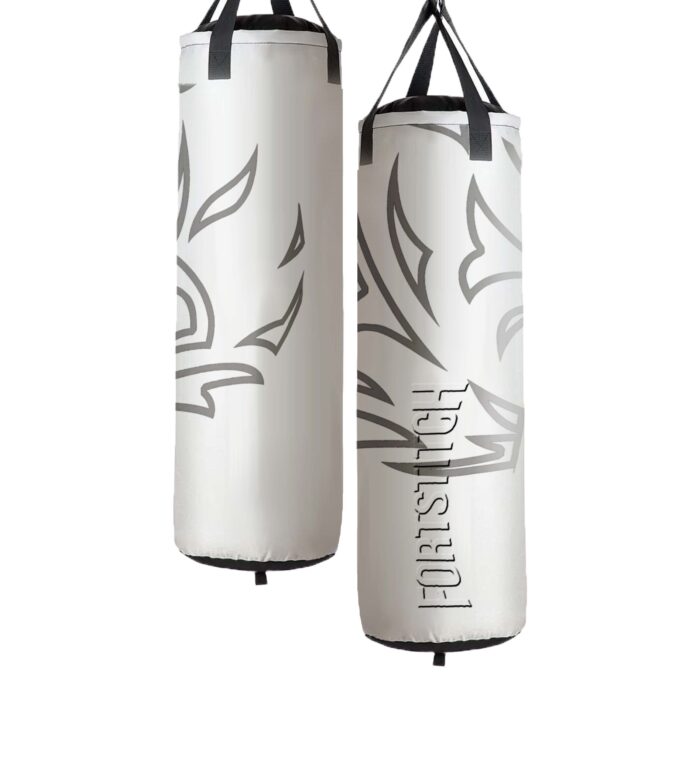
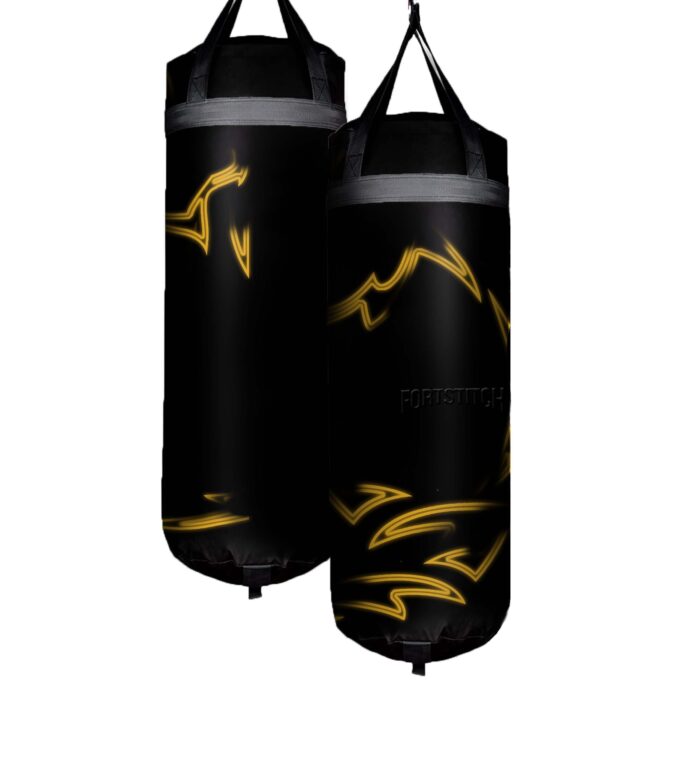
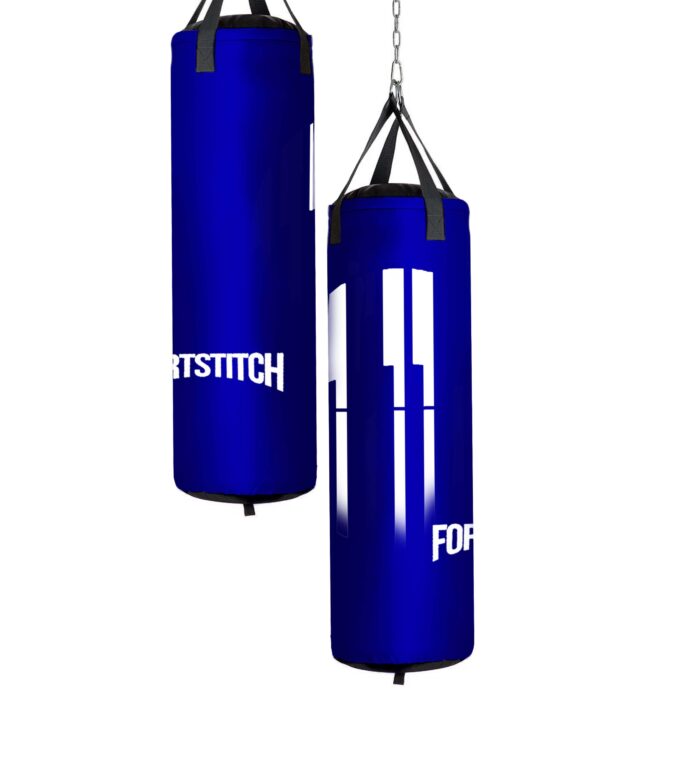
Hanging punching bags are the classic. They hang from the ceiling. They are big and heavy. They take a beating.
Shop Hanging Punching Bags
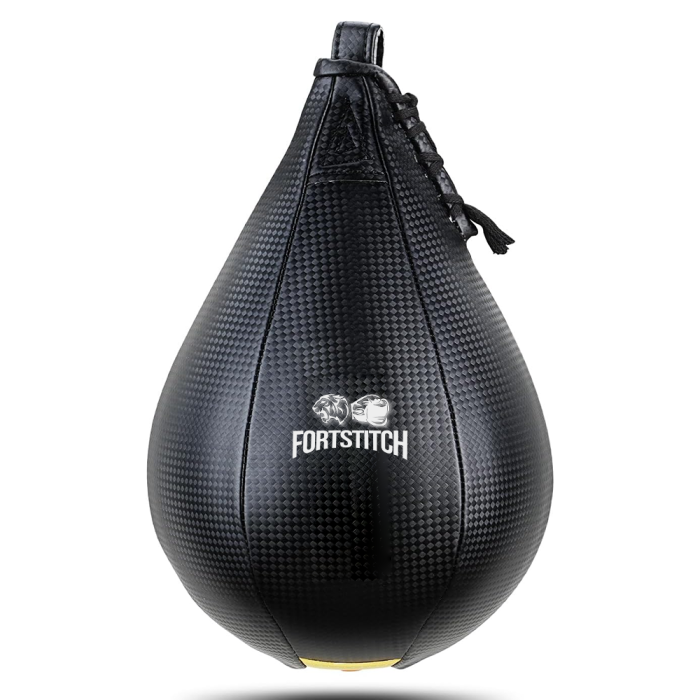
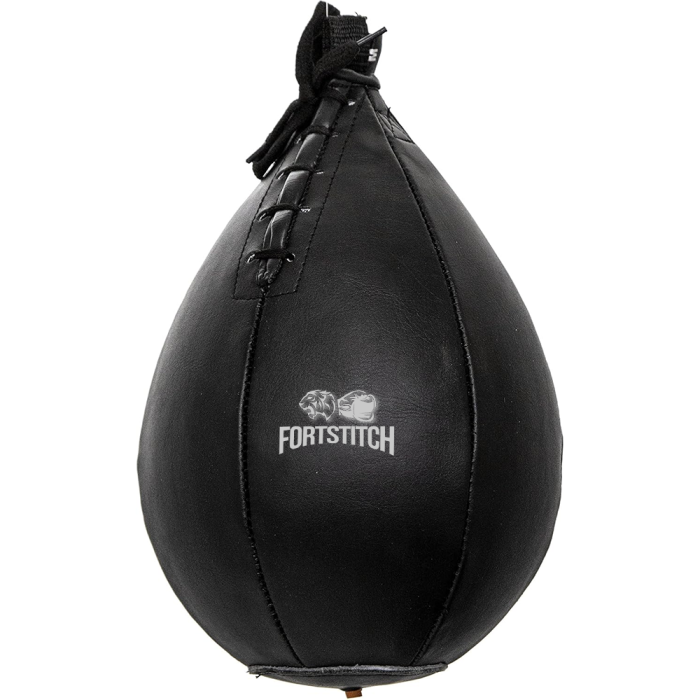
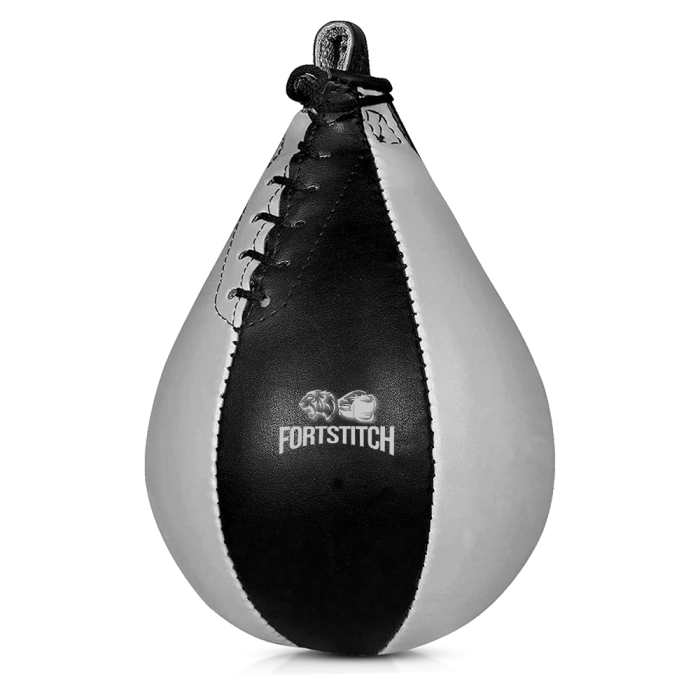
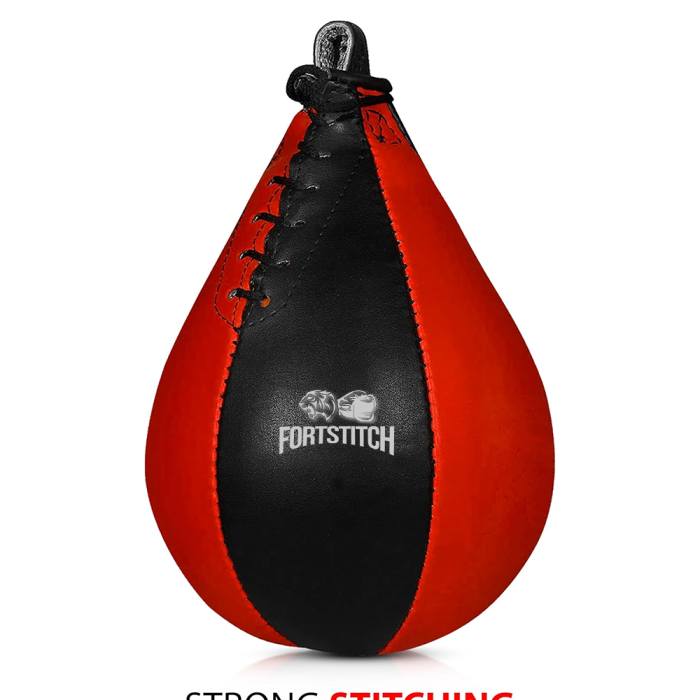
Speed Bags: Small but Mighty
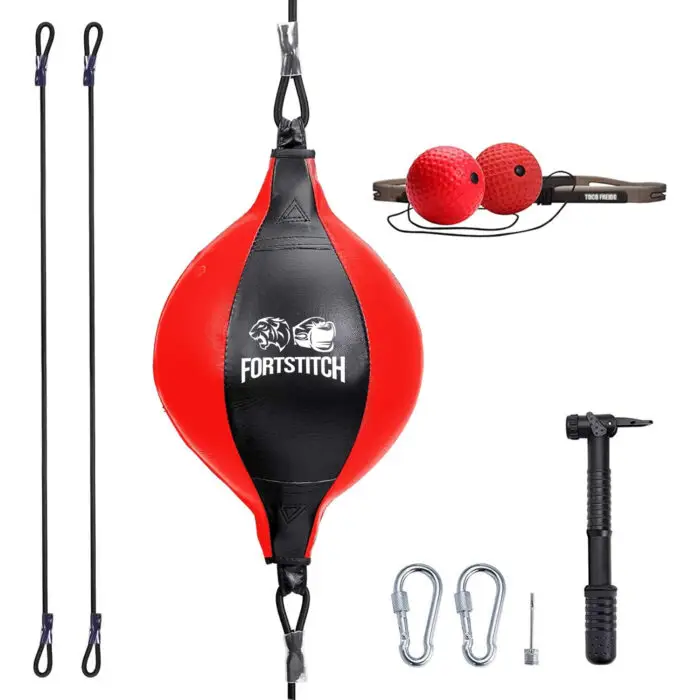
Speed bags, also known as speed balls, are not for power. They are for speed, rhythm, and timing. They are small, usually filled with air, and mounted on a rebound platform.
Shop Speed Bags
Free-Standing Bags: No Ceiling Required
Free-standing bags, or standing punching bags, don’t hang from anything. They sit on a base you fill with water or sand to keep them stable.
Shop Free-Standing Bags
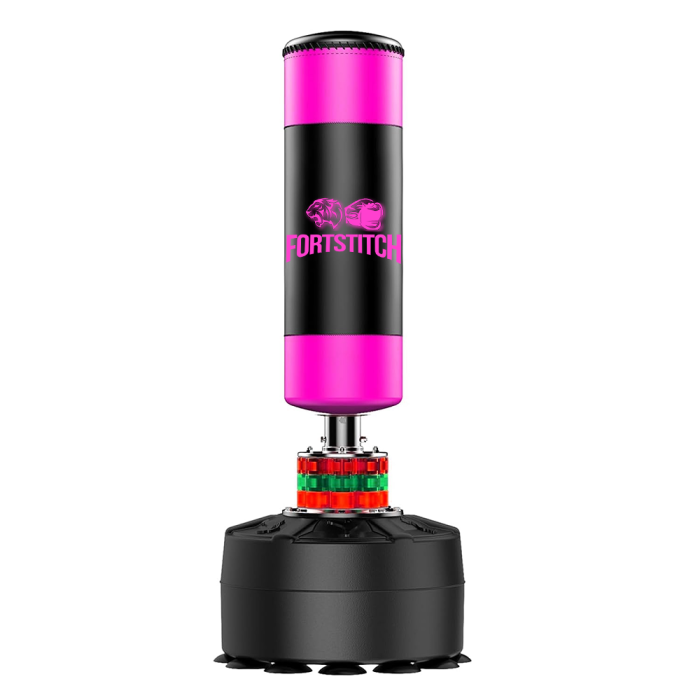

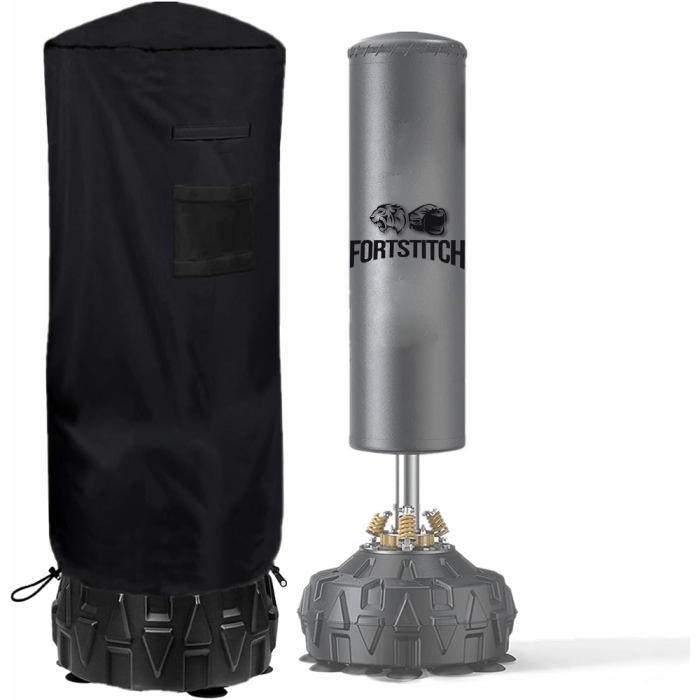
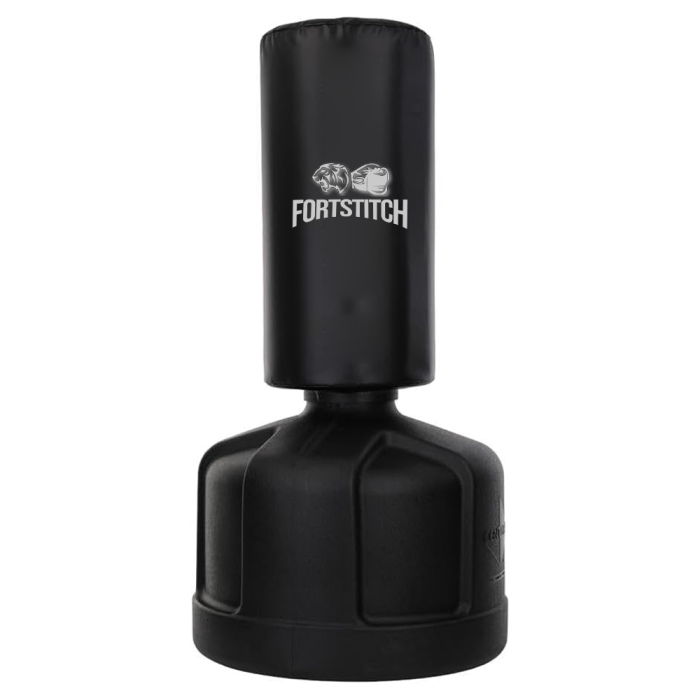
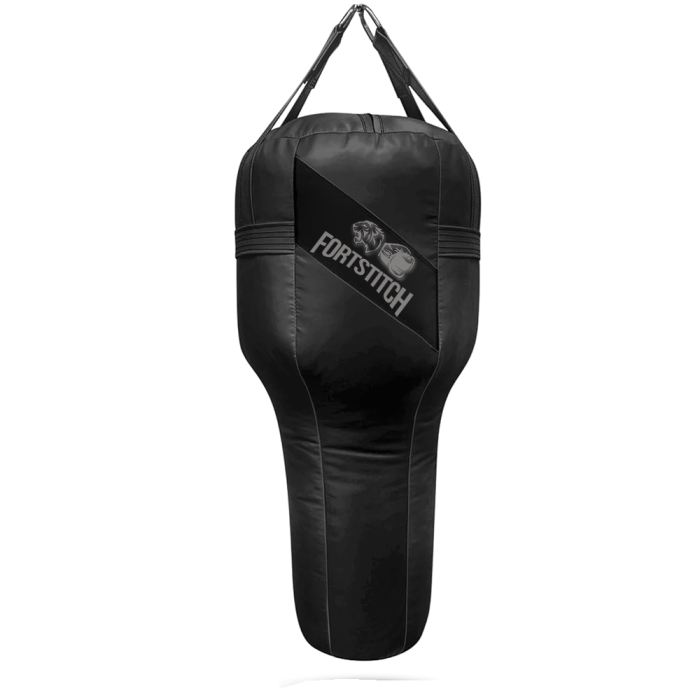
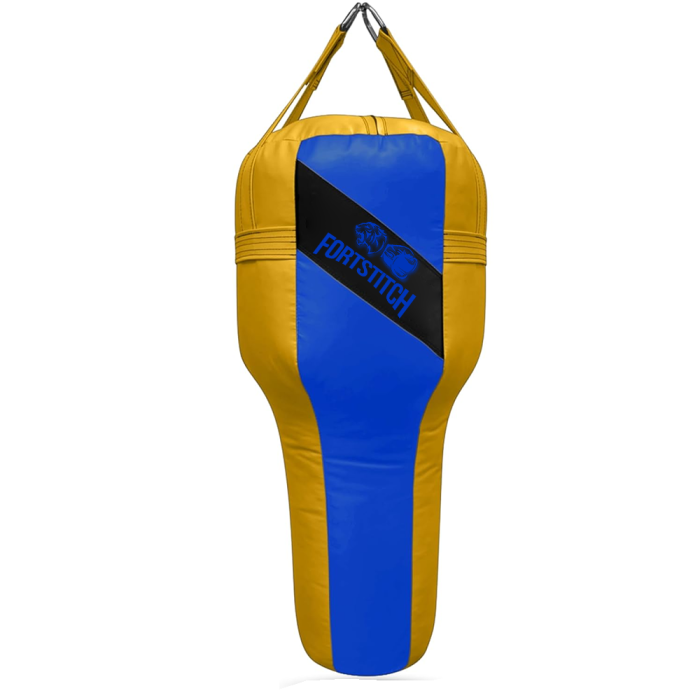
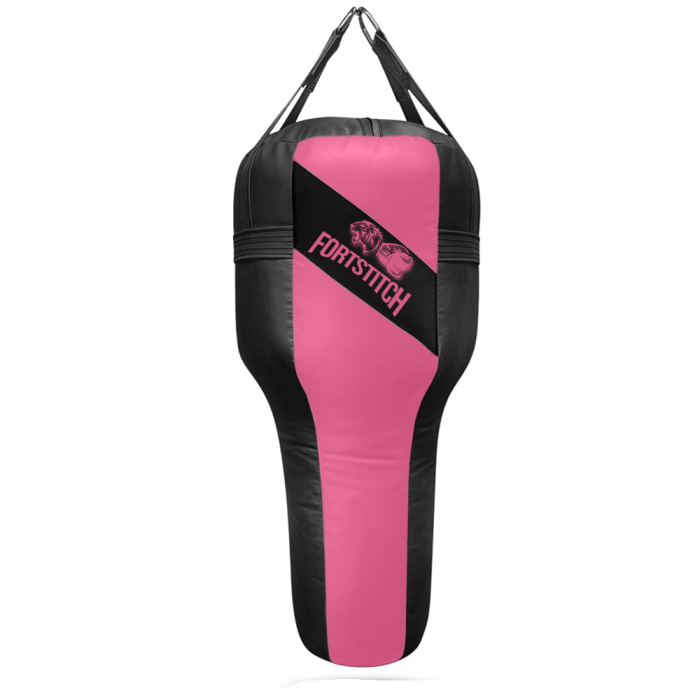
Uppercut Bags and Specialty Shapes
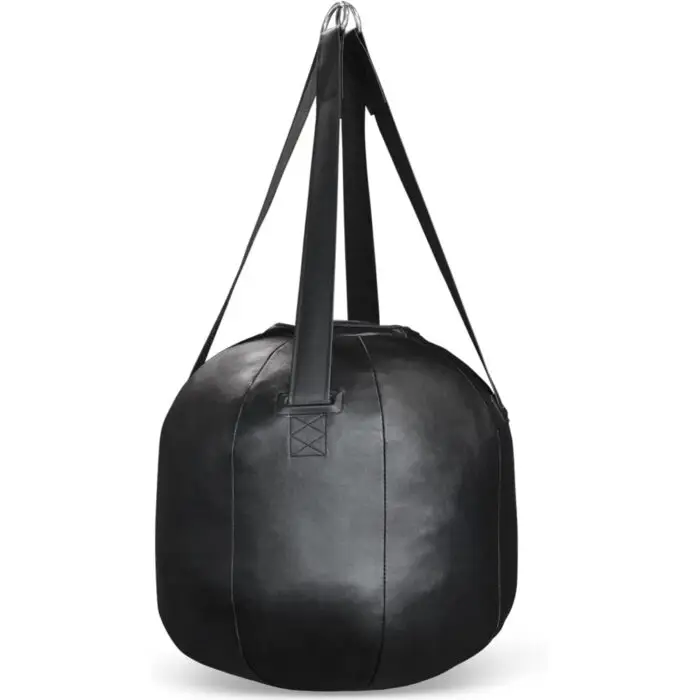
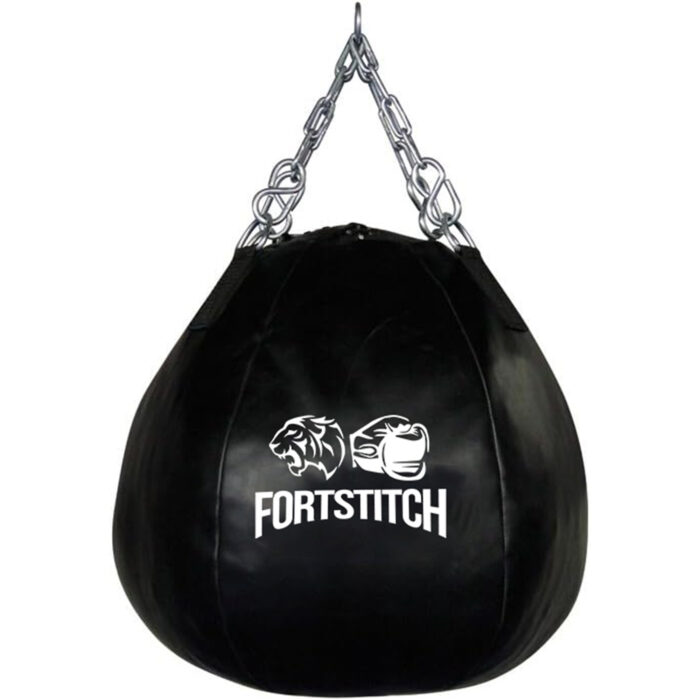
These include uppercut bags, teardrop bags, angled bags, and double-end bags. Their design is for specific strikes like uppercuts, hooks, and body shots.
Shop Uppercut Bags
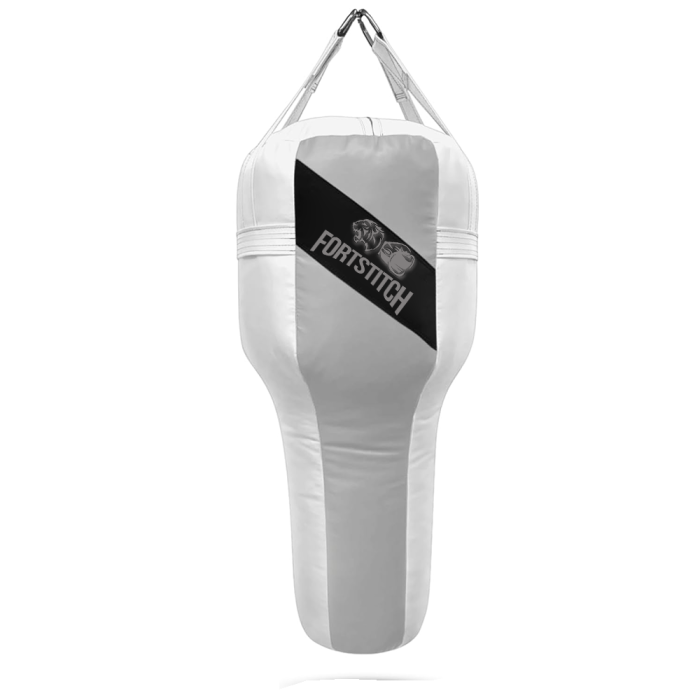
Banana Bags (Muay Thai Bags): Long and Lean
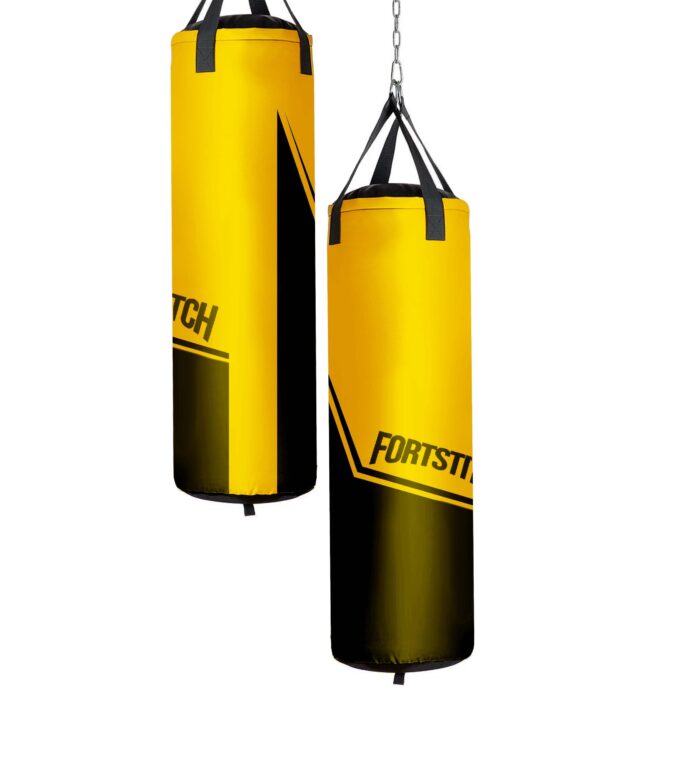
Banana bags or MMA punching bags are longer and thinner than heavy bags. They often touch the floor. They are for Muay Thai and MMA training.
Shop Banana Bags
Materials: What Your Bags Are Made Of
The material of a punching bag affects its price, durability, and feel. Here is what you need to know.
Filling: What Is Inside the Bag?
The filling of a punching bag changes how it feels when you hit it.
- Fabric scraps: The most common filling. Soft and safe for beginners. Doesn’t compact as much as sand.
- Foam: Provides a firm, consistent feel. Good for power training.
- Sand: Rarely used alone — makes the bag too hard and can hurt your hands.
- Water: Used in Aqua Bags. Absorbs impact well. The bag moves less and feels natural to hit.
- Rubber granulate: Mixed with fabric for a firmer bag. Makes the bag heavier and harder.
Size and Weight: The Numbers That Matter
Picking the right size and weight is critical. Here is a simple guide.
| Bag Weight | Best For | Who Buys |
|---|---|---|
| 40–70 lbs | Beginners, fitness focus | Home users, fitness studios |
| 70–100 lbs | Regular boxing or kickboxing | Boxing gyms, intermediate users |
| 100–150+ lbs | Power training, Muay Thai, MMA | MMA gyms, advanced athletes |
How to Choose Your Product Mix
If you are a retailer, wholesaler, or private label, here is a simple framework for choosing your bag mix.
- Know your customer. Are you selling to gyms or home users? Gyms need heavy bags. Home users need free-standing bags and lighter options.
- Cover the basics. Stock heavy bags in more than one size. Stock speed bags. Stock banana bags if you sell to MMA or Muay Thai customers.
- Add specialty products. Uppercut bags and specialty shapes have high margins. Add them once you have your core products.
- Offer material choices. Leather, synthetic, and canvas — give buyers options at different price points.
- Think about shipping. Free-standing bags and speed bags are easier to ship. Heavy bags may need freight. Factor this into your pricing.
Private Label and OEM Opportunities
If you want to build your own brand, private label punching bags are a strong option. Manufacturers in Sialkot, Pakistan are a major source for OEM and private-label boxing gear.
What to Look For in a Manufacturer
Fort Stitch is a reputed manufacturer offering custom punching bags for startups and brands. They offer five bag types and let you choose materials, sizes, colors, and logo printing.
Build a Product Line That Fits Your Market
Whether you need one sample or a full container, we help you build a product line that fits your market. Check our whole range to choose your products.
Browse Our CollectionConclusion
Buying a punching bag does not mean one size fits all. Each type of punching bag serves a different purpose. The material, filling, size, and price — each factor changes the dynamics of the bag. If you want to sell punching bags successfully, don’t treat bags as a single product.
Think about what your customers need. What are their daily training needs, and what is their budget? Keep these questions in mind to build your product mix.
FAQs
Q1. What is the most popular punching bag type?
Heavy bags are the most popular. They make up over 70% of the market. They are used in boxing, MMA, and fitness training.
Q2. What is the best punching bag for home use?
Free-standing bags are best for home use. They do not require ceiling mounting. They are also the fastest-growing segment of the market.
Q3. What is the difference between a heavy bag and a banana bag?
Heavy bags are shorter and rounder. Banana bags are longer and thinner. Banana bags are designed for Muay Thai and MMA — they allow you to practice kicks and knees.
Q4. What material is best for a punching bag?
Synthetic leather is the best all-around choice. It is durable, affordable, and easy to clean. Natural leather is better for premium products.
Q5. How much does a punching bag cost?
Prices vary widely. A basic synthetic leather bag may cost $50 to $150. A premium leather bag can cost $300 or more.