
Types of Boxing Gloves: Which Is the Right One For You

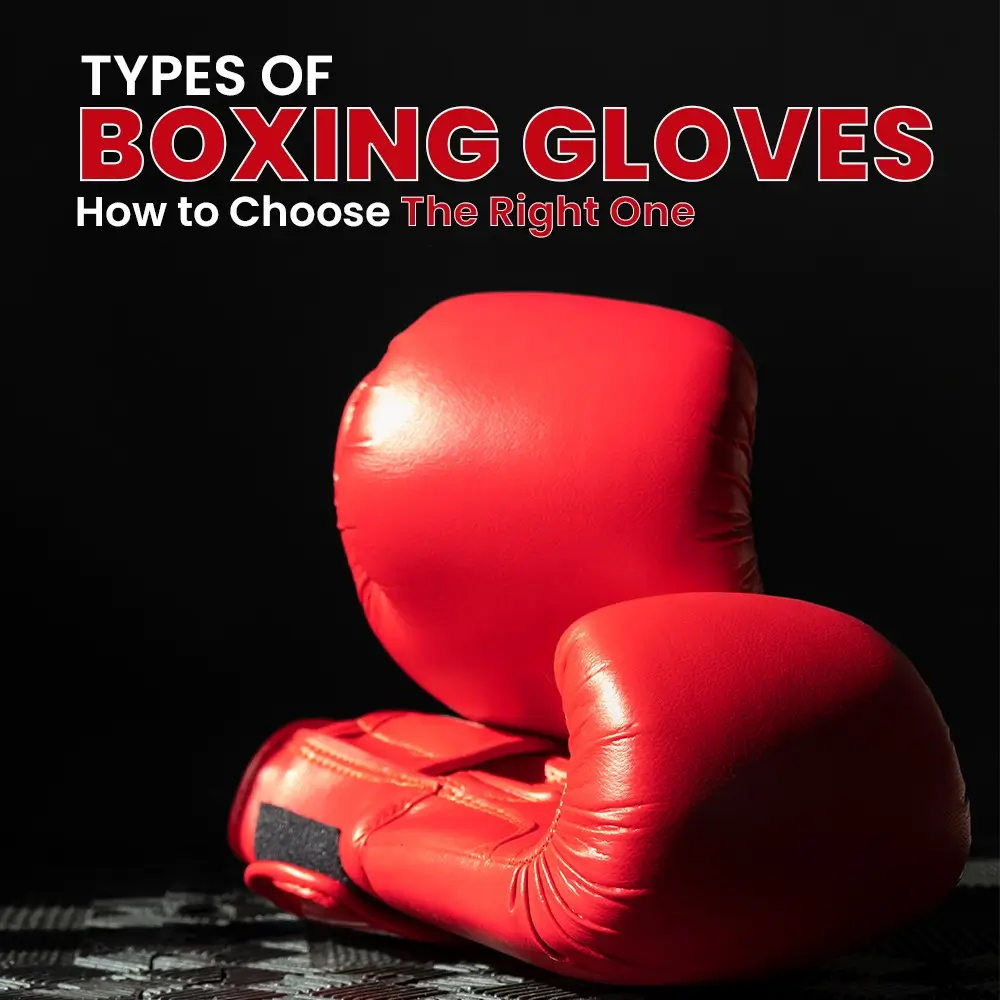
I have seen it myself in the gym: beginners walking in with a cheap pair of gloves. I already know what happens with these gloves. After a few training sessions, they end up buying a second pair anyway. You are training in boxing, kickboxing, or Muay Thai. There is always a question of which types of boxing gloves you need.
The right pair has far more duties than you think. They not only cover your knuckles but reduce the impact when you punch a heavy bag. Also, they reduce the risk of injuries for yourself and your sparring partners.
They come in different materials, weights, and designs for different occasions. If you want to learn how to find high-quality boxing gloves, you are in the right place.
The Main Types of Boxing Gloves
You will see several different types of boxing gloves on the market. But these are the main types, and every pair you see will belong to one of these.
Training Gloves
- Versatile — do almost everything with one pair
- Good mix of padding and hand protection
- Not perfect for any one task
- Padding often too firm for safe sparring
Bag Gloves
- Denser padding protects knuckles from constant bag impact
- Often lighter — helps focus on hand speed
- Cannot use for sparring — hard padding can injure a partner
Sparring Gloves
- Extra-soft, thick padding cushions blows and protects partners
- Usually heavier, helping build shoulder strength
- Too heavy and soft for effective bag work
- Soft padding breaks down faster on hard bags
Amateur Competition Gloves
- Usually lighter with a specific point-scoring design
- Standard colors (red or blue) required by amateur rules
- Not for daily training — for competition day only
- Padding does not hold up through months of bag work
Muay Thai Gloves
- More flexible back and palm — allows grabbing, clinching, and blocking kicks
- Works for mixed training styles
- Padding spread differently — may not have same focused knuckle protection as dedicated boxing gloves
FortStitch’s Full Collection of Boxing Gloves
Browse FortStitch’s full collection of boxing gloves. Every pair is built with proper padding, solid wrist support, and materials made to last.
Browse Our CollectionHow to Choose the Right Boxing Gloves?
Most people are mistaken about boxing glove upgrades. They think that includes padded mittens only. But that mindset leads to sore knuckles and wasted cash. You need to understand what boxing gloves are made from. Before anything else, check hand protection, wrist support, and durability, whether the foam padding actually does its job. Modern gear has seen real innovation in impact absorption. And that matters whether you’re hitting a bag or doing light sparring.
Buyers often obsess over real leather. They don’t realize how far synthetic leather has come. Microfiber leather now offers solid durability, better breathability, and less hassle with maintenance. Real leather still wins on long-term feel, but synthetics hold their own at a lower price.
The real trade-off shows up in comfort, and how well the gloves resist bacteria, odor, and trapped moisture. A breathable glove that dries properly after training will outlast a premium leather pair that stays damp and neglected. Before picking a style, think about how the glove manages sweat and wear. Because that’s where you win or lose: real-world performance.
What Types of Boxing Gloves Do I Need?
The most expensive or best-reviewed boxing gloves are not enough. The right gloves are the ones that fit your needs. Before you buy a pair of gloves, learn about the different types.
1. Original Leather Boxing Gloves
Real leather custom boxing gloves remain the standard for fighters who want gear that lasts. The material naturally resists cracking and holds its shape even after hundreds of rounds on heavy bags and focus mitts.
Unlike cheaper options, original leather breathes well enough to reduce trapped moisture, which helps keep bacteria and odor under control. The feel is different too. Leather molds to the hand over time, creating a more personalized fit. This improves comfort and wrist support as the gloves break in. For anyone serious about training, that kind of long-term performance justifies the higher upfront cost.
Shop Leather Boxing Gloves
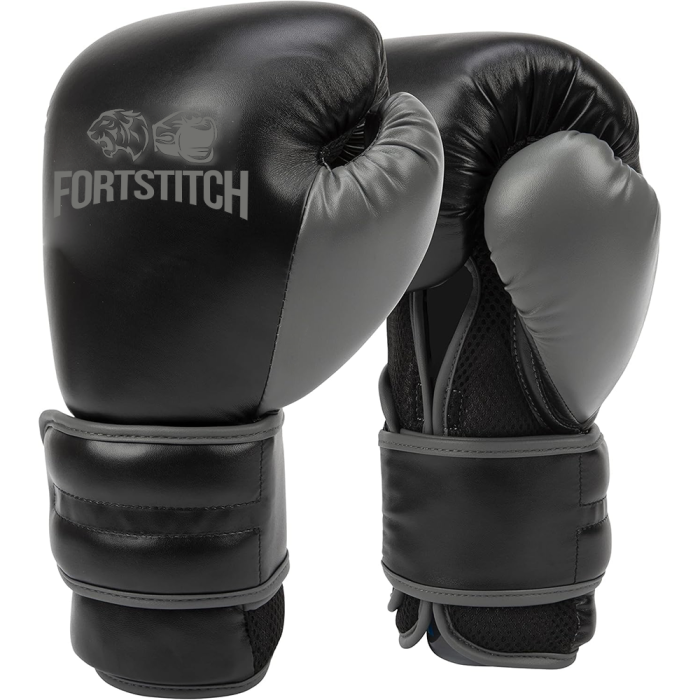
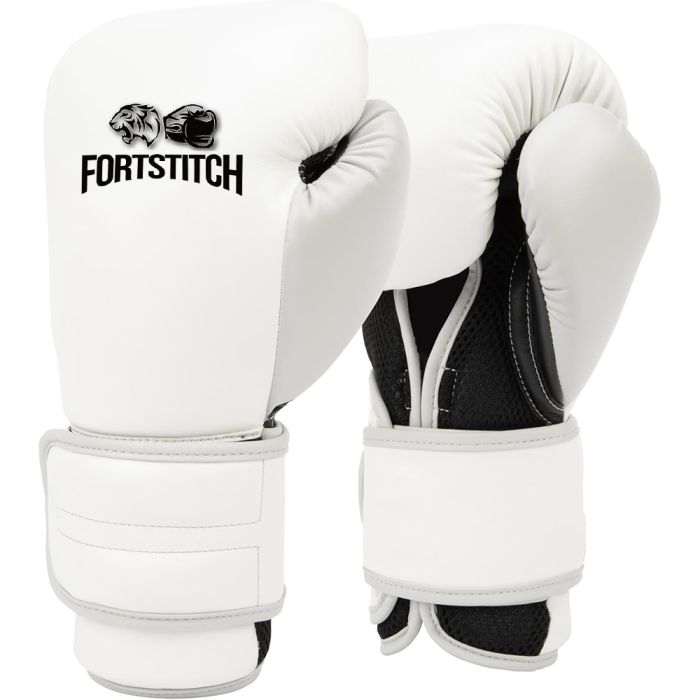
2. Synthetic Leather Boxing Gloves
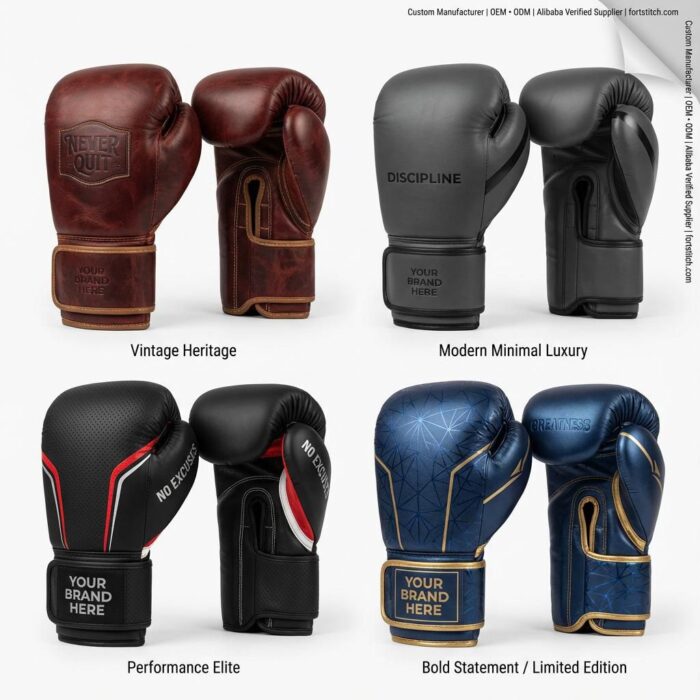
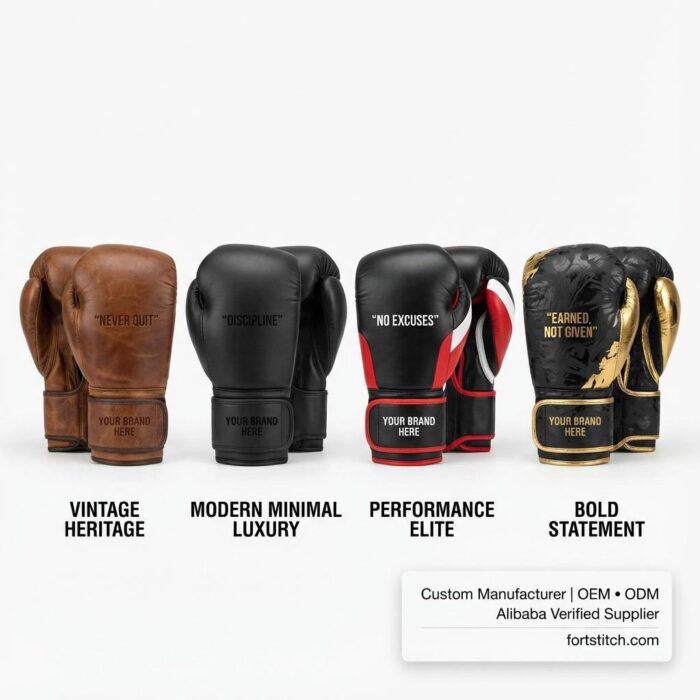
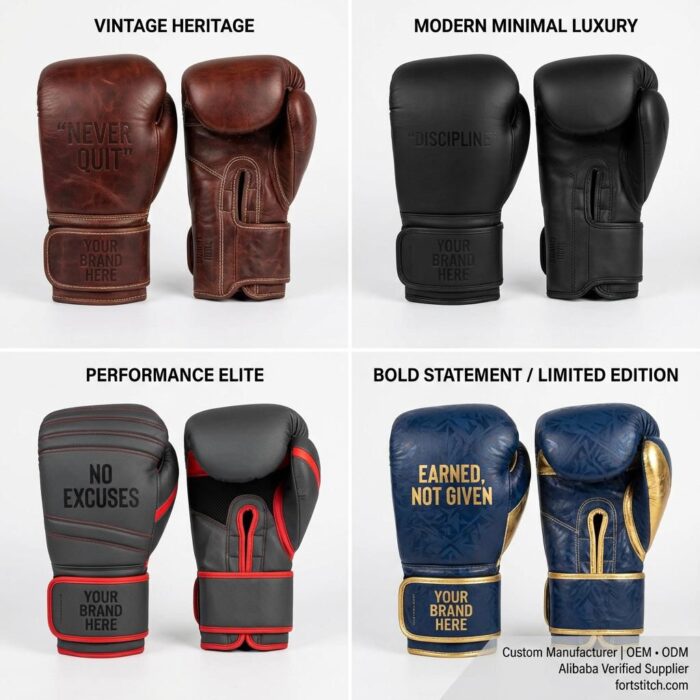
Boxing gloves in synthetic leather have changed what budget-friendly gear can do. Modern options like microfiber leather offer impressive durability without the high cost of real leather, making them a smart pick for beginners and high-volume gyms.
One thing to appreciate about synthetics is how easy they are to maintain. A quick wipe-down after training removes excess moisture, keeping bacteria and odor from building up. Many synthetic gloves also provide better breathability straight out of the box, your hands stay cooler during long sessions. However, they may not mold to your hand like real leather over time. The trade-off in price and easy care makes them a practical choice for everyday training.
Shop Synthetic Leather Gloves

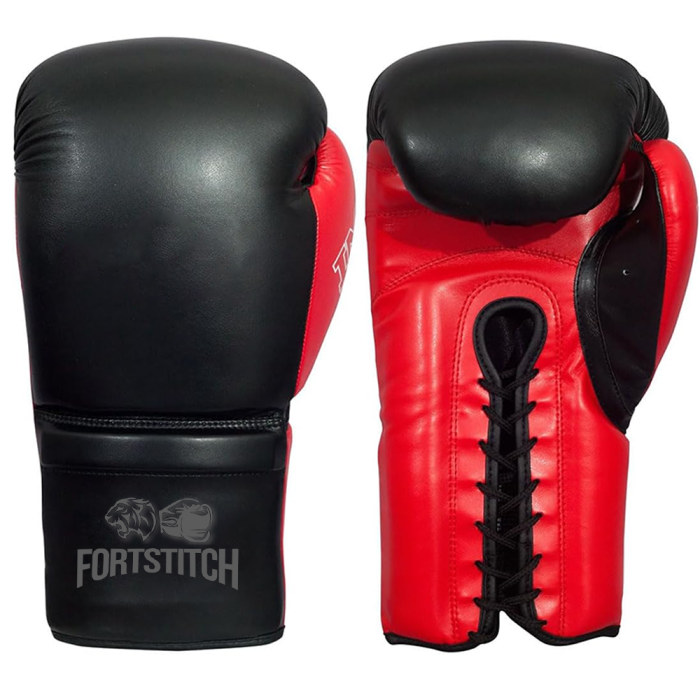
3. Laced-Up Boxing Gloves
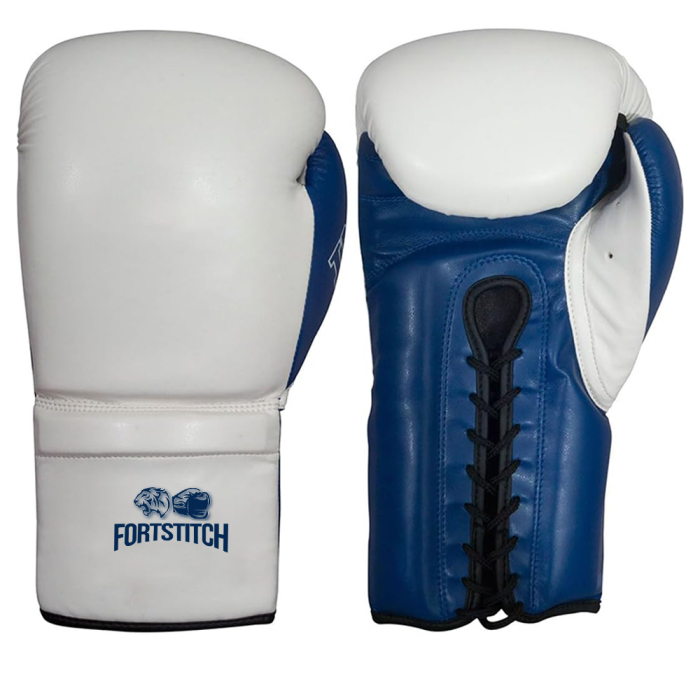
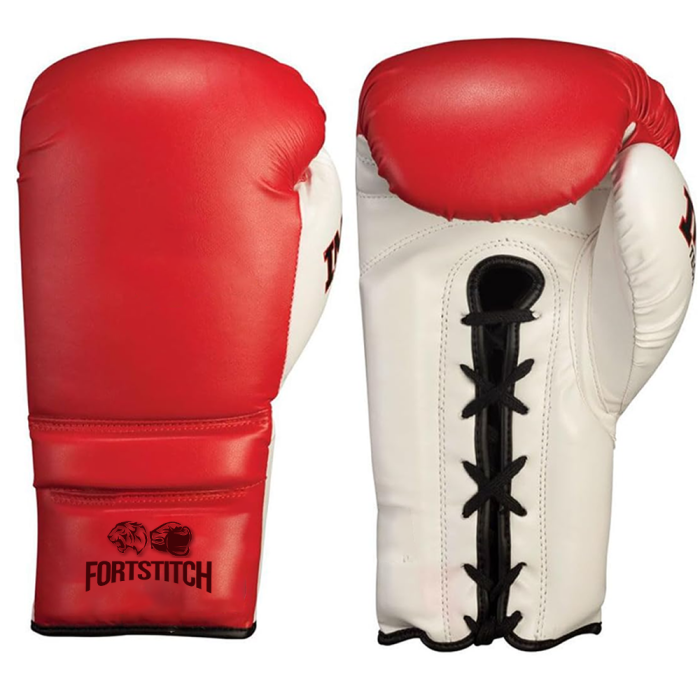
Laced-up boxing gloves are the traditional choice for fighters who want a locked-in, secure fit. The laces allow you to tighten the glove around the wrist for excellent wrist support. This is why they remain the preferred option for competition and serious sparring.
The downside is convenience, you need someone else to tie them properly, and adjusting them mid-session is a hassle. But for pure performance, nothing matches the snug, custom feel of a well-laced glove. They keep the glove from shifting on impact, helping with hand protection and consistent punching form. If you compete or spar often, laced gloves are worth the extra effort.
Shop Laced-Up Gloves
4. Muay Thai Gloves
Muay Thai gloves are much like standard boxing gloves but have a different structure for a reason. Fighters need to grab, clinch, and block kicks, so the palm area is more flexible, and the padding distribution allows better hand movement. This design still offers solid hand protection when hitting heavy bags or kicking pads.
But it trades some stiffness for versatility. The wrist support is usually adequate rather than rigid, this works well for the dynamic demands of Muay Thai. If your training involves clinching or defending kicks, these gloves are the right fit. For pure boxing work, a standard glove may serve you better.
Shop Muay Thai Gloves
FortStitch: Globally Trusted Supplier for All Kinds of Boxing Gloves
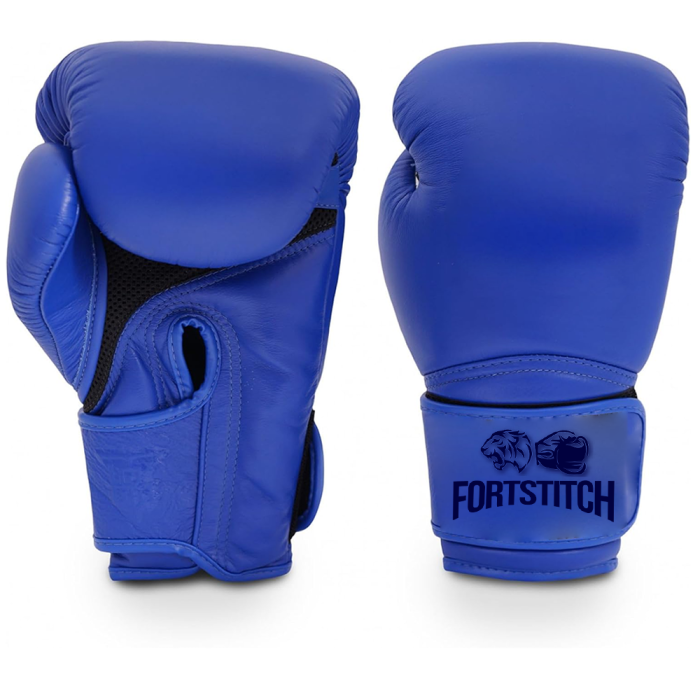
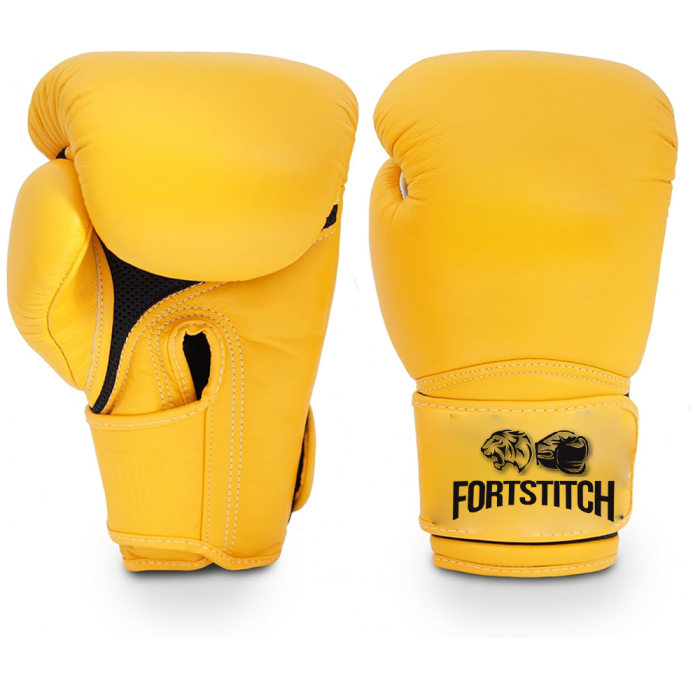
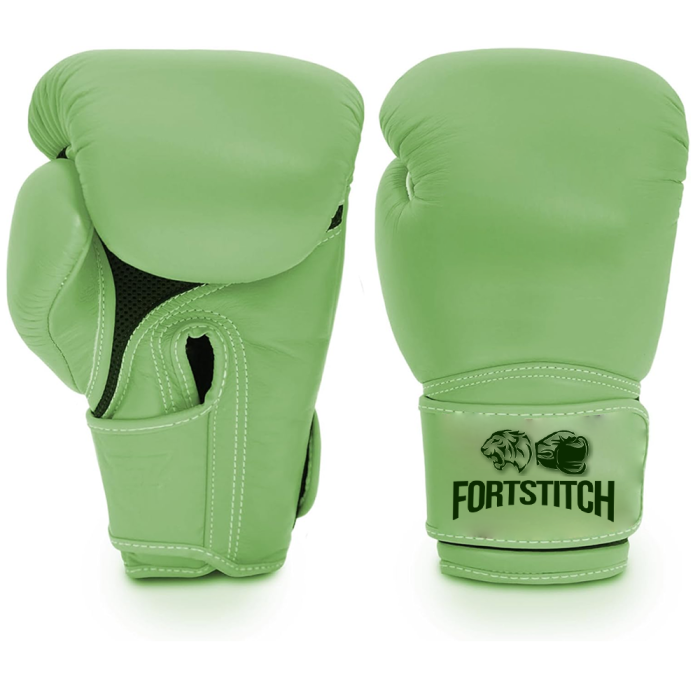
Every seller needs boxing gloves that meet consistent quality and standards. At FortStitch, we supply all kinds of gloves, from professional to practice, and in every kind of material, from leather to synthetic, or any other you want. We offer unlimited customization for private labels and brands.
Whether you are a startup or an established business, we offer the best prices, low MOQs, and flexible terms. With control over the whole production process, we provide consistent quality. That’s why businesses and brands trust FortStitch.
Stock Your Shelves or Upgrade Your Own Gear
Ready to stock your shelves or upgrade your own gear? Explore our range of high-quality boxing gloves built for performance and durability.
View Our Boxing Glove CollectionConclusion
Choosing the right boxing glove doesn’t have to be hard. It comes down to knowing what you need them for. Match the glove to the activity, pick the right size, and you will have a tool that lasts and performs.
Whether you are a fighter, a fitness lover, or a store owner, understanding these basics is the first step to making a smart kit.
FAQs
Q1. Can I use bag gloves for sparring?
No. Bag gloves have dense, hard padding designed for hitting bags. Using them on a person could cause injury. You need soft, thick sparring gloves for partner work.
Q2. What size boxing glove should a woman buy?
For bag work and training, a 10 oz or 12 oz glove is common. For sparring, most gyms will require 14 oz or 16 oz gloves. The best choice depends on body weight and hand size.
Q3. Why are sparring gloves heavier?
Sparring gloves are heavier because they have more padding. The extra padding protects your training partner from cuts and bruises. The added weight also helps you build shoulder endurance.
Q4. Are leather gloves better than synthetic leather?
Leather gloves are more durable and often feel better over time. Synthetic leather (PU) gloves are more affordable and easier to clean. Both are good choices, it depends on your budget.
Q5. Do I need hand wraps with boxing gloves?
Yes, always use hand wraps. Gloves give you padding, but hand wraps keep the small bones and joints in your hand and wrist tight and safe. They add an important layer of protection.