
How to Choose a Punching Bag Supplier for Your Gym or Retail Brand?

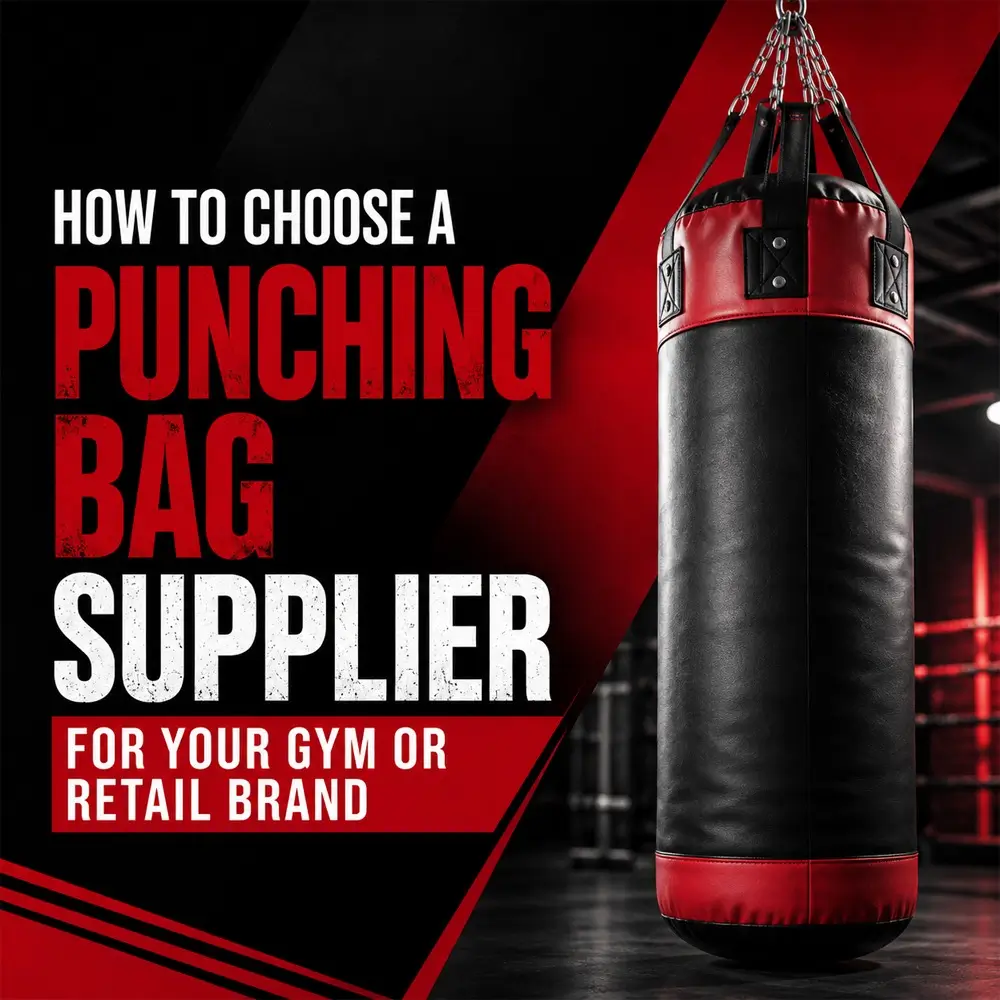
After working out for years, I can tell how good a punching bag is. The one that sags and tears and leaks filling after a few hard workouts. If you run a gym or sell boxing gear, a bad supplier can cost you money and ruin your name. So, the question is simple. How to choose a punching bag supplier for your gym or retail brand?
At the end of this guide, you will learn what a good-quality punching bag is. And where to find a reliable manufacturer for your brand.
Start With Your Buyer and Use Case
Before you contact any supplier, be clear about what you need. A gym owner buying ten heavy bags for daily classes has different needs. Whereas a retail brand wanting private-label speed bags has different needs. Write down answers to these questions:
- Who will use the bag? Beginners, fighters, kids, or all three?
- Where will it hang or stand? Ceiling mount, wall mount, or freestanding base?
- What size and weight do you need? Common heavy bags range from 40 lb to 150 lb.
- How many units do you plan to order? 10, 100, 1,000?
- Do you need a custom logo, color, or packaging?
This step saves time. It also helps you filter out suppliers that cannot meet your needs.
Know the Main Types of Punching Bags
Different bags serve different training goals. Know which ones your buyers want. A gym may need heavy hanging punching bags and speed bags. A retail brand may want a mix of all types. Ask suppliers which types they make best.
How to Choose a Punching Bag Supplier for Your Gym or Retail Brand?
The best way to compare suppliers is to use the same checklist. Here are the main points that matter.
Check Their Experience and Focus
A supplier that makes many unrelated products may not know much about punching bags. Look for a boxing equipment supplier that focuses on fitness or combat sports. Ask:
- How long have you made punching bags?
- Which gyms or retail brands do you supply? Can you provide references?
- Do you offer OEM and ODM services? (OEM = your brand name on their product. ODM = customize their existing design.)
Their answers show whether they understand daily gym abuse.
Inspect Materials and Build Quality
A cheap bag can look fine online and fall apart in weeks. Ask for exact specs:
- Cover: Real leather lasts long but costs more. PU leather is common and easy to clean. Vinyl is cost-effective but less durable.
- Fill: Shredded fabric, sand, foam, or a mix. Fill changes weight, density, and hand feel.
- Inner liner: A thick liner helps prevent bursting.
- Stitching: Double or triple stitching on seams is best.
- Straps and chains: Strong nylon straps, welded D-rings, and heavy-duty chains.
- Weight capacity and mounting hardware.
Ask About Safety and Rules for the USA Market
If you sell to USA customers, the bag must be safe. Ask the supplier:
- Do you have test reports for materials?
- Does the cover meet lead and chemical safety rules?
- Are there sharp edges on metal parts?
- Is the bag labeled with weight and care instructions?
In the USA, consumer products must generally comply with CPSC safety rules. Ask whether they test the bag for intense conditions — not only bags but other products like fight wear apparel. Avoid suppliers who say “trust us” and give no documents.
Compare Total Cost, Not Only Unit Price
The lowest unit price can cost more after shipping and taxes. Ask for a full breakdown:
Order Samples and Test Them
Never place a bulk order without a sample. A sample lets you check:
- Weight and fill density
- Cover feel and smell
- Stitching under stress
- Mounting straps and chains
- Zipper or closure quality
- Logo and packaging
Hang the sample in your gym or show it to a few customers. Use it yourself for a few weeks if you can. It is cheaper to reject a sample than a container of bad bags.
Review Customization and Private Label Options
If you are a retail brand, private label matters. Ask:
- Can you put my logo on the bag?
- Can you change colors, sizes, and fill?
- Can you print my packaging and labels?
- What is the minimum order quantity (MOQ)?
- How long does custom sampling take?
Make sure the supplier owns or controls the factory. Middlemen can cause delays and mistakes.
Custom & Wholesale Punching Bag Orders — Done Right
Need a punching bag supplier that checks these boxes? Tell FortStitch what you need. We work with gym and retail buyers on custom and wholesale punching bag orders. Reach out for a quote or sample.
Contact UsCheck Lead Times, Shipping, and Support
Before you sign, get a clear timeline:
- Production time after deposit
- Sample approval time
- Shipping method and transit time to the USA
- Port or delivery location
- Replacement policy for defects
- Warranty length
- Response time for questions
A good supplier answers fast and puts timelines in writing. If they are vague, be careful.
Watch for Red Flags
Avoid a supplier if you see these signs:
- No references or samples
- Very low price with no explanation
- No written contract or quote
- Pushy sales tactics
- Cannot explain materials
- Price changes after quote
- No after-sales support
Trust your gut. A supplier that is hard to reach before the sale will be worse after.
Build a Short List and Compare
Pick three to five suppliers and score them on these criteria:
| Criteria | What to Look For |
|---|---|
| Product Quality | Materials, stitching, and build consistency across samples |
| Price and Landed Cost | All-in cost including freight, duties, and packaging |
| Communication Speed | How fast and clearly they respond to your questions |
| Lead Time | Realistic production and shipping timelines in writing |
| Customization Options | Logo, colors, fill, and packaging flexibility |
| After-Sales Support | Defect replacement, warranty, and ongoing responsiveness |
Make the Final Call
Once you have samples and quotes, ask yourself:
- Does the bag feel right for my buyers?
- Is the landed cost within my budget?
- Can the supplier meet my timeline?
- Do they answer my questions clearly?
- Would I feel safe buying from them again?
If the answer is yes, start with a small order. A small test order protects you while you build trust. If everything goes well, scale up.
FortStitch: Your Strategic Partner for Punching Bags
FortStitch has built its name on trust and quality. Our punching bags are no guesswork. We offer the best flexible terms and prices for startups and small businesses. You need a small batch to test the market or a bulk order for your launch. You can choose the fabric of your choice and put your logo or text on it. We provide consistent quality in every piece as we have full control over every step.
Punching Bags Built for Gym and Retail Buyers
Ready to source punching bags with a partner who understands gym and retail needs? Tell FortStitch your target sizes, quantities, and branding goals. We will help you plan the right order.
Contact Us for a Free QuoteConclusion
Finding low prices does not mean you have a good supplier. You need to find a partner who understands your buyers and the problems you face. They not only promise but also know how to deliver. Start with the products you need to launch with. Compare cost and safety factors, and order a sample before you order big. This simple process can save you from heavy mistakes.
FAQs
Q1. What type of punching bag is best for a commercial gym?
A heavy bag is the most common for commercial gyms because it works for boxing, kickboxing, and general fitness. Speed bags and double end bags are good add-ons. Choose durable covers and strong mounting hardware.
Q2. What is the minimum order quantity for private label punching bags?
MOQ varies by supplier. Some suppliers allow smaller test orders. Custom colors and packaging may raise the MOQ. Always ask before you invest in artwork.
Q3. How long does it take to ship punching bags to the USA?
Production can take several weeks. Ocean shipping to the USA can take several more weeks. Door delivery adds extra time. Ask for a full timeline before you order.
Q4. What material is best for a commercial punching bag?
PU leather is a good balance of durability and cost. Real leather lasts long but costs more. Vinyl is cheaper but may crack. The inner liner and stitching matter just as much as the cover.
Q5. Can I customize my punching bag with my own logo?
Yes, most suppliers offer private label options. You can usually add your logo, change colors, and choose custom packaging. Ask about setup fees and sample lead time.