
How to Build an MMA Gear Product Line That Customers Actually Buy?

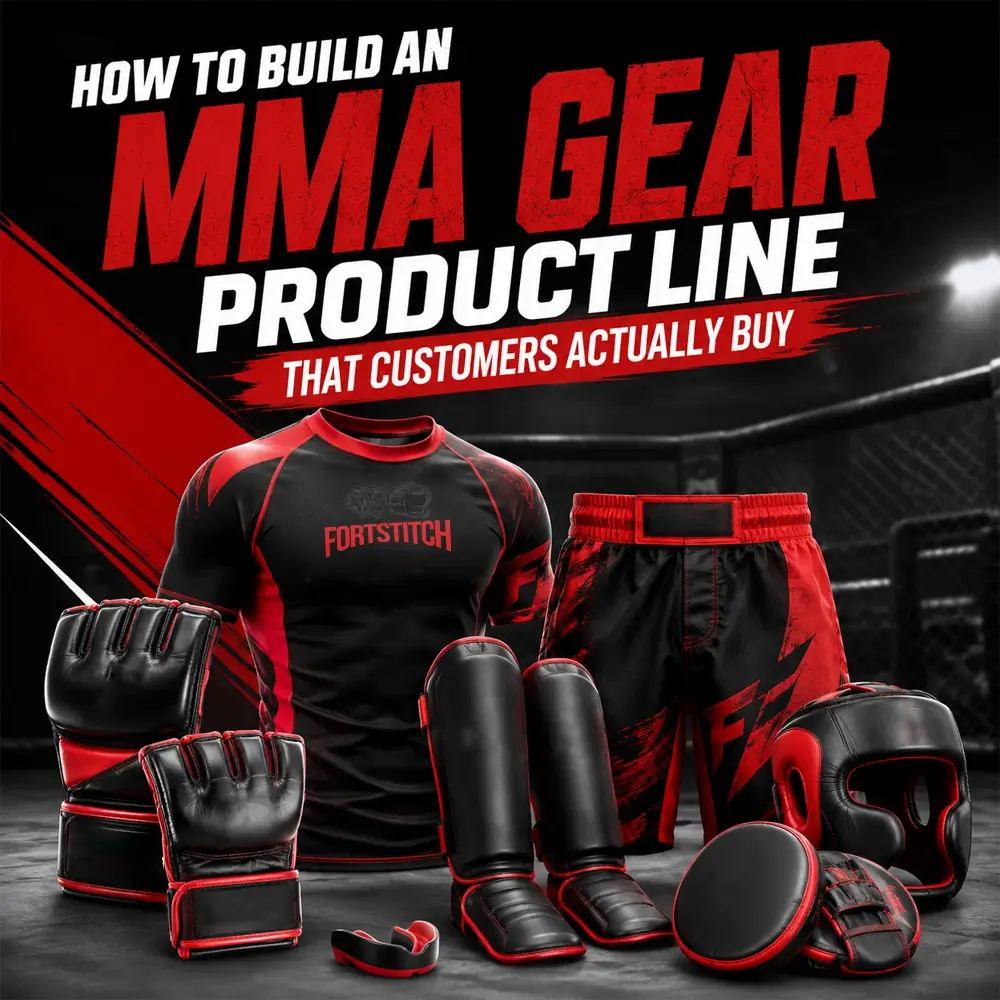
The MMA combat gear market is growing very fast. In 2025, with a worth $1.5 billion globally and still rising. More people are coming every day to train. More gyms are opening, and fighters need gear they can trust.
But here’s the best part: the market is already filled with MMA gear brands. Enter any gym, and you will see racks with gloves and accessories from various companies. So how to build an MMA product line that customers actually buy? Let’s check out the practical steps to build a gear line people want to buy.
Know the Market and Your Customer
Before you pick a single product, you need to understand who you’re selling to and what they actually need.
Who Buys MMA Gear?
Your customers fall into a few main groups:
What Products Sell Best?
Custom MMA gloves are the biggest sellers in the equipment market. But for a new brand, the smartest entry points are often rashguards and fight shorts. Why? They have lower manufacturing complexity, higher profit margins, and don’t require the precision fitting that items like BJJ gis demand. Plus, they’re worn every single training session — so fighters go through them faster and need replacements more often.
Other key product categories include:
- Hand wraps
- Shin guards
- Headgear
- Punching bags
- Spats and compression wear
Choose the Right Manufacturing Partner
This is the most important decision you’ll make. Your manufacturer determines your quality, your costs, and your ability to scale.
Factory Direct vs. Trading Companies
What to Look For in a Manufacturer?
Develop Your Tech Pack
A tech pack is the blueprint for your product. It tells the manufacturer exactly what you want.
What Goes Into a Tech Pack?
Why It Matters
A good tech pack eliminates guesswork. It tells how your manufacturer will customise your gear exactly what you envision. Without one, you’re relying on the factory to interpret your needs — and that’s how you end up with products that don’t match your brand. If you’re not a designer, don’t worry. Many manufacturers can help you develop a tech pack or offer ODM (original design manufacturing) services.
Sample Before You Scale
Never go straight to bulk production without sampling first.
The Sampling Process
- Request samples: Ask your manufacturer to make a small run of your products based on your tech pack.
- Test them: Wear them. Train in them. Have fighters test them. Check the fit, the feel, the durability.
- Provide feedback: Tell the manufacturer what needs to change.
- Iterate: Get revised samples until the product is exactly right.
- Approve: Only then should you move to bulk production.
Budget for Sampling
Featured MMA Products
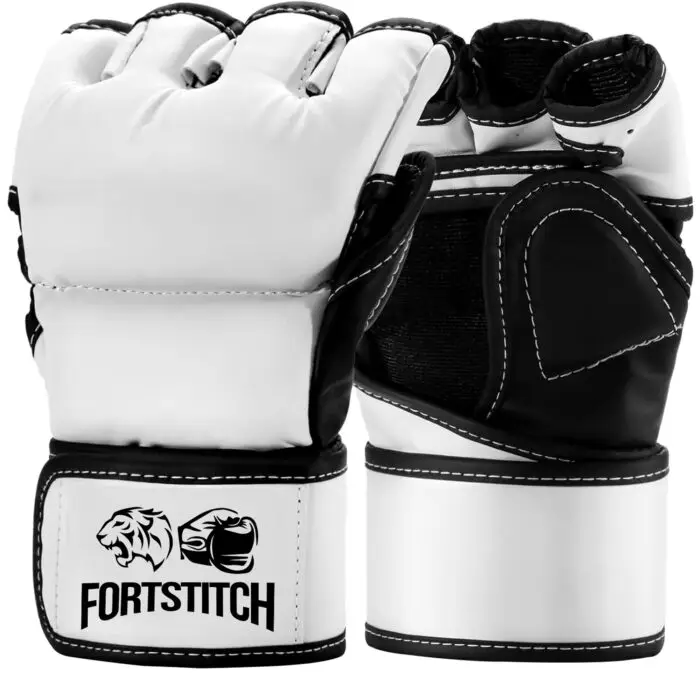
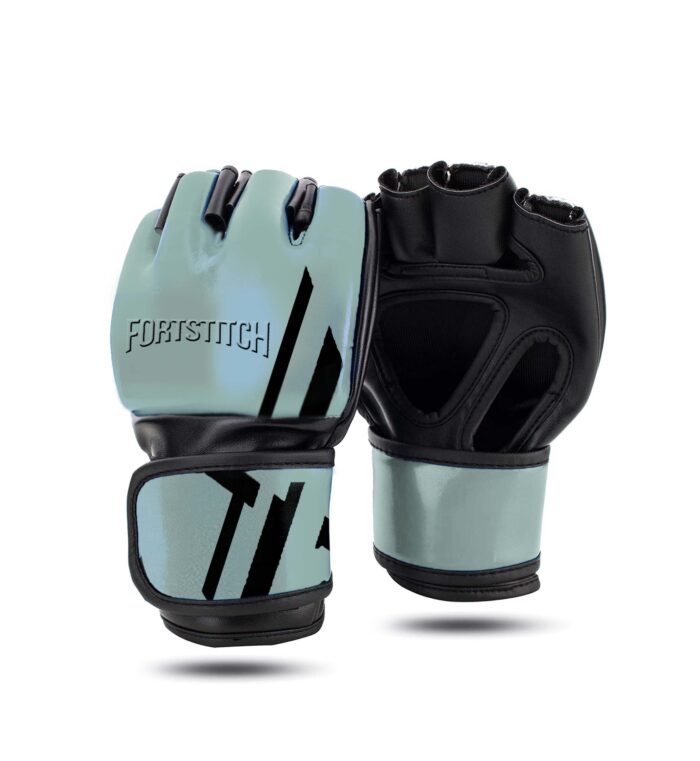
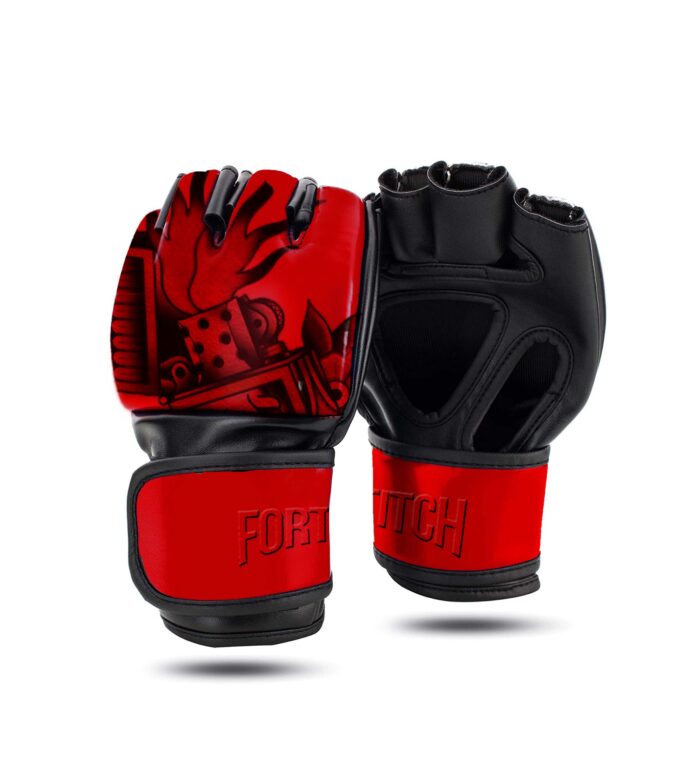
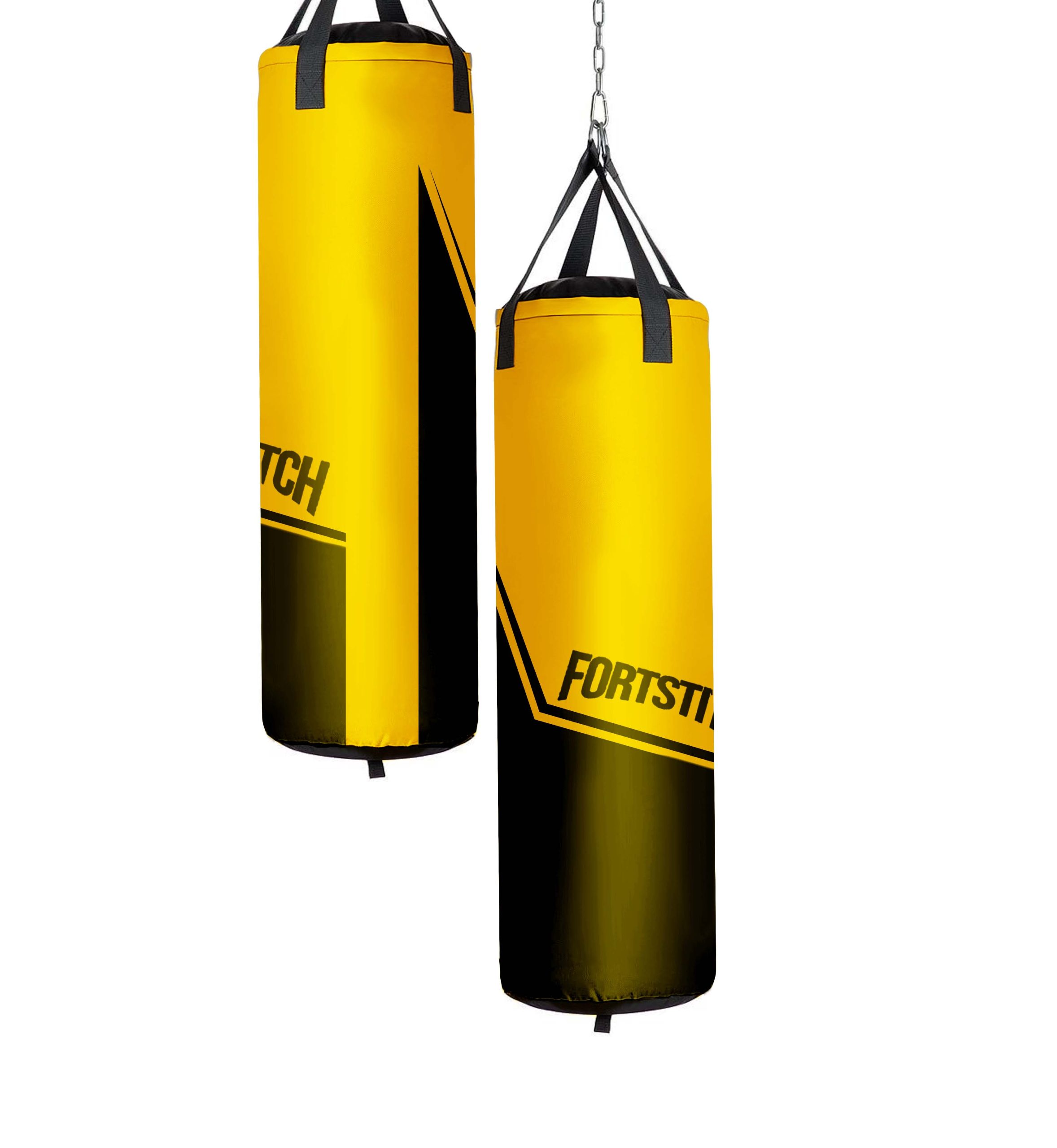
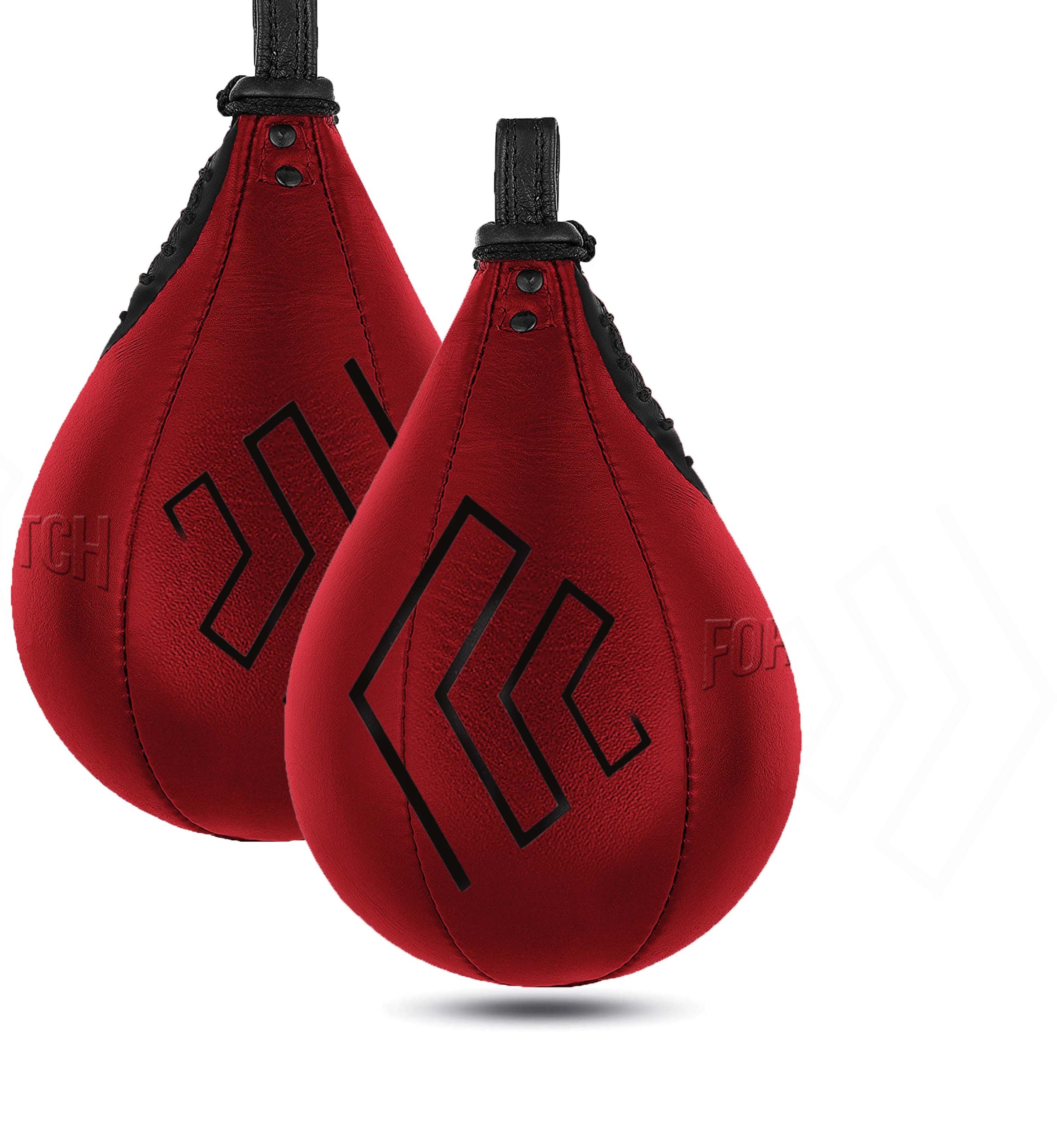
Custom Gloves, Protective Gear & Training Accessories
Whether you need custom gloves, protective gear, or training accessories, we can help you bring your vision to life. Contact us for a free quote and start designing gear made for you only.
Contact Us for a Free QuoteFocus on Quality That Builds Trust
In combat sports, quality isn’t optional. Fighters rely on their gear to protect them. A glove that breaks, a rashguard that rips, or a shin guard that slips can mean injury.
What “Quality” Means in MMA Gear?
The Community Polices Quality
Here’s the thing about the MMA community: they notice bad gear. Choosing high-quality MMA glove material is very important. A mediocre rashguard brand gets called out on Reddit and in gym group chats within weeks of launching. But the flip side is also true — good gear gets shared and recommended at a rate that general activewear brands can’t match through paid media. Quality earns you free marketing.
Brand Your Gear the Right Way
Your brand is more than a logo. It’s the story, the image, and the promise that athletes trust.
Elements of Strong MMA Branding
Customization Options
- Sublimation printing: For full-color, all-over designs on rashguards and shorts
- Embroidery: For logos on gloves, bags, and heavier items
- Custom labels and tags: Your brand name inside every piece
- Packaging: Custom boxes, bags, or hang tags that reinforce your brand identity
Price for Profit and Value
Pricing is a balancing act. Too high and you price out your customers. Too low and you signal low quality.
Factors to Consider
Plan Your Go-to-Market Strategy
Having great products isn’t enough. You need a plan to get them in front of buyers.
Sales Channels
Marketing Tips
- Leverage the community: Sponsor local fighters, partner with gyms, get your gear seen in the right places.
- Use social proof: Reviews, testimonials, and photos of real fighters using your gear build instant trust.
- Create content: Training tips, gear care guides, and behind-the-scenes content establish authority.
- Attend events: MMA expos and tournaments are great places to network and show your products.
FortStitch: A Trusted Manufacturer for High-Quality Gears
FortStitch is a trusted manufacturer of boxing equipment and all MMA gear. They have built their name on quality and trust. They offer unlimited customization from fabric collection to design and packaging. Every piece features premium materials, reinforced stitching, and expert craftsmanship. They deliver gear for high-performance and tough training sessions for real competitions. They are not only a supplier but a strategic partner.
Razor-Sharp Quality. Gear That Meets High Standards.
We take on new partners not only to increase our numbers — but to provide razor-sharp quality and gear that meets high-quality standards. Don’t let your competitors lock in the best slots while you wait.
Contact UsConclusion
The key to building an MMA product line that customers actually buy depends on a few factors. Choose the right products, find a reliable manufacturer, and focus on quality. The market is changing very fast. Only selling gear is not enough — you need to build trust. Start small with 2 to 3 hero products. Get the quality right, build relationships with suppliers and customers. Scale from there.
FAQs
Q1. What are the best products to start an MMA gear line with?
Rashguards and fight shorts are the best entry points. They have lower manufacturing complexity, higher profit margins, and don’t require the precise fitting that items like BJJ gis demand.
Q2. How much does it cost to start an MMA gear brand?
A realistic budget for a first production run is about $2,350 to $3,500 for two hero products at 50 units each. This covers sampling and initial production.
Q3. What’s the difference between OEM and ODM?
OEM (original equipment manufacturing) means you provide the design and the manufacturer makes it. ODM (original design manufacturing) means the manufacturer designs and produces products for you to brand as your own.
Q4. How do I find a reliable MMA gear manufacturer?
Look for manufacturers with combat sports experience, in-house quality control, and transparency about their processes. Factory direct manufacturers often offer better prices and more control than trading companies.
Q5. What should I include in a tech pack?
A tech pack should include flat drawings, measurement points, a size chart, fabric composition, stitching details, color specifications, and branding placement.