
What are Boxing Gloves Made of? From Inside To Outside

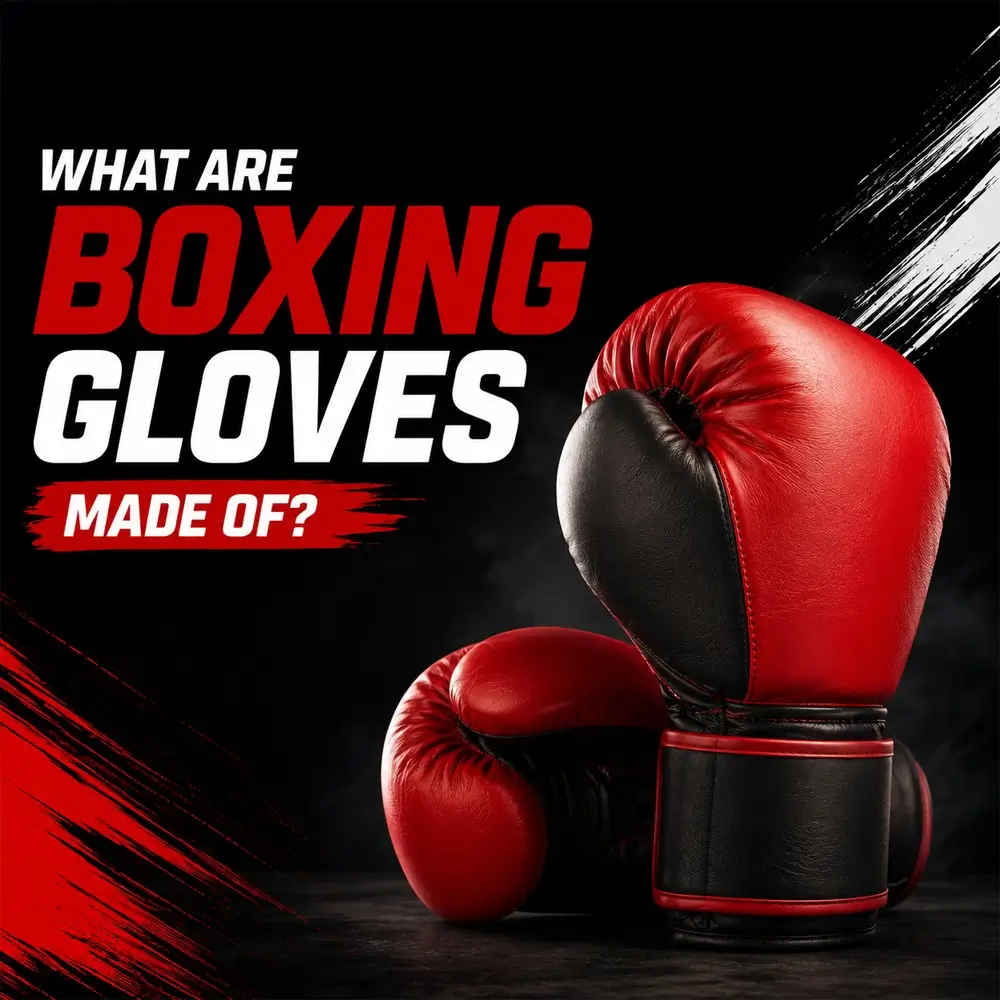
You have bought boxing gloves for your store, gym, or any other brand. But have you ever thought about what are boxing gloves made of? This may seem unimportant, but it matters more than you think.
The materials inside a boxing glove decide how long it lasts, how it feels on the hand, and how well it protects the fighter. Cheap materials tear down fast, but quality holds up for years.
From retailers to wholesalers and private label owners knowing about glove material is essential, not optional. Your customers rely on you to buy the gear they can trust. So, an honest look at what you are selling is crucial.
What are Boxing Gloves Made of? Let’s Check Deeply
Every custom boxing glove has three key components:
Each part uses different materials — and each material affects how the glove performs. Let’s look at each one.
Create Boxing Gloves That Match Your Brand’s Standards
Ready to create boxing gloves that match your brand’s standards? Fort Stitch offers custom manufacturing with the materials you need. Contact us today to discuss your next order.
Contact Us TodayWhat the Outer Shell Is Made Of?
The outer shell is what you see and touch. It’s the glove’s first line of defense against scrapes, sweat, and repeated impact. The shell material also shapes how the glove feels and how long it lasts. There are two main categories: genuine leather and synthetic materials.
Genuine Leather: The Premium Choice
Real leather comes from animal hides. It’s the gold standard for boxing gloves because it’s tough, flexible, and lasts a long time. Most leather boxing gloves use one of these three types:
Synthetic Materials: The Cost-Effective Alternative
Not every glove needs to be leather. Synthetic materials boxing gloves offer a lower price point and are easier to care for.
Leather vs. Synthetic — A Quick Comparison
| Feature | Genuine Leather | Synthetic |
|---|---|---|
| Durability | 3–5+ years | 1–2 years |
| Breathability | Excellent | Limited |
| Maintenance | Needs conditioning | Easy wipe-down |
| Price | Higher | Lower |
| Best for | Pros, daily training | Beginners, casual use |
What Is the Padding Made Of?
The padding inside a boxing glove is what actually protects the fighter’s hand and the person getting punched. Padding materials have changed a lot over the years. Here’s what you’ll find today.
Foam Padding: The Modern Standard
Most boxing gloves — whether lace boxing gloves or other types — use some form of foam padding today. Foam absorbs shock and spreads out the force of a punch.
Horsehair Padding: The Traditional Option
Before foam, boxing gloves were stuffed with horsehair. Some gloves still use it today, often mixed with foam. Horsehair gloves have a distinct feel — they’re less protective than foam but allow fighters to feel their punches more clearly. This is why some knockout artists prefer them. The downside? Horsehair absorbs sweat and breaks down faster than foam.
Gel Padding
Some gloves add a gel layer for extra shock absorption. The gel helps spread impact forces and can make the glove feel more comfortable on the hand.
Other Components: Lining and Closure
The Inner Lining
The inside of a boxing glove — whether it’s Muay Thai Gloves or others — has fabric to make it comfortable against the skin. Common lining materials include:
Good lining helps wick away sweat and keeps the glove from feeling sticky or uncomfortable during and after training.
The Closure System
How a glove stays on the wrist matters for fit and safety.
How to Choose the Right Materials for Your Brand?
If you’re private labeling boxing gloves or buying wholesale, here’s a simple framework.
- Outer: Cowhide or goatskin leather
- Padding: Multi-density foam (PU foam)
- Lining: Cotton or moisture-wicking fabric
- Closure: Lace-up or high-quality Velcro
- Outer: Engineered leather or quality microfiber
- Padding: Multi-density foam
- Lining: Polyester blend
- Closure: Hook-and-loop
- Outer: PU synthetic leather
- Padding: Single-density foam
- Lining: Basic polyester
- Closure: Hook-and-loop
Why Material Quality Matters for Your Business?
Selling boxing gloves isn’t only about moving product. It’s about building trust. When a customer buys gloves from you, they’re trusting that gear to protect their hands. If the materials are cheap and the gloves fall apart, that trust breaks.
On the flip side, when you sell gloves made with quality materials, customers remember. They come back. They tell their friends. For private label brands, the materials you choose become part of your identity. A brand known for quality leather gloves has a different reputation than one known for cheap synthetics.
At Fort Stitch, we manufacture custom boxing gloves with materials that fit your brand’s goals. We use strong, tear-resistant materials and multi-layered foam padding for real protection. We make every glove with care, backed by ISO-certified quality standards.
Premium Leather or Affordable Synthetics — We Build Both
Whether you need premium leather gloves for serious fighters or affordable synthetics for fitness lines, we can help. Contact us to start your journey with a free quote.
Contact Us for a Free QuoteConclusion
What boxing gloves are made of has no straight answer. It all depends upon the kind of gloves you are dealing with. The outer shell can be leather or synthetic. The padding can be IM foam or a blend. The lining and closure add comfort with security.
For anyone who is selling, knowing about these materials is more than important. It lets you make smart decisions and avoid buying cheap products.
FAQs
Q1. What is the best material for boxing gloves?
Genuine leather, especially cowhide or goatskin, is the best material for durability and performance. It lasts longer, molds to the hand, and provides better protection than synthetics.
Q2. Are synthetic boxing gloves any good?
Yes, for certain uses. Synthetic gloves (PU, microfiber, or engineered leather) are affordable and easy to clean. They work well for beginners, fitness boxing, and casual training.
Q3. How long do leather boxing gloves last?
With proper care, genuine leather boxing gloves can last 3 to 5 years or more. Synthetic gloves typically last 1 to 2 years with regular use.
Q4. What is the padding inside boxing gloves made of?
Most modern boxing gloves use polyurethane (PU) foam padding, often in multiple densities for better shock absorption. Some gloves also use horsehair, gel, or a combination.
Q5. Why are some boxing gloves more expensive than others?
The main difference is materials. Premium leather and multi-density foam cost more to produce but last longer and perform better. Cheaper gloves use synthetic leather and basic foam.