
Boxing Headgear Types Explained: Which One For You?

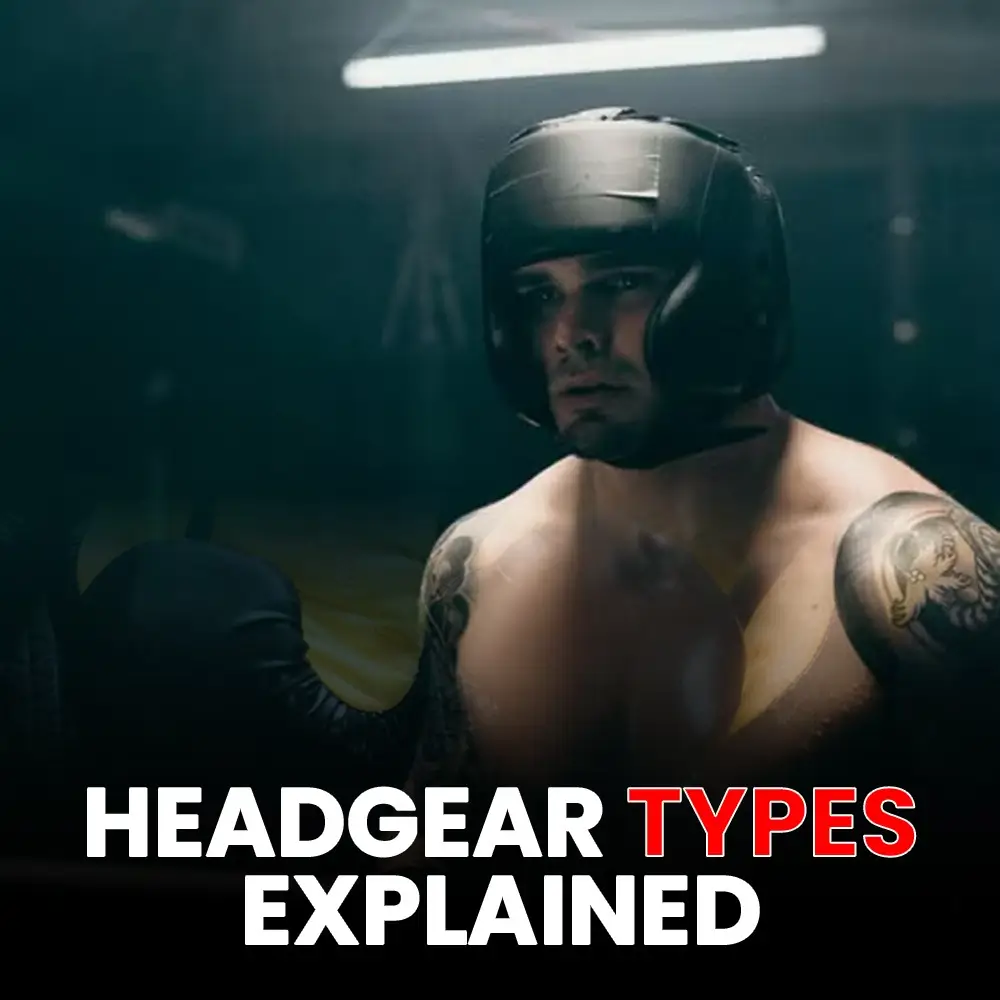
I almost got paralyzed on my first day at the gym. Not due to a hard hit, but due to the boxing headgear types that all looked the same to me. Full face, open face looked like a language I don’t know.
If you have the same feeling, you are not alone. You are not watching a generic catalog. This is a practical guide I have curated after countless conversations with fighters and beginners who have suffered the same confusion.
We will walk through the types of headgear and help you find the one best suited for you. Let’s start.
What Are The Different Types Of Boxing Headgear?
If you are looking for the best boxing headgear with boxing gloves . Before you dive into the fit and material types, you need to understand a few categories of headgear. Each has a specific purpose to perform and fears to solve.
I have seen that most people shop for what they fear most. For example, their nose can break, they cannot see a hook coming, or sweating too much. So, let’s have a breakdown focusing on real problems.
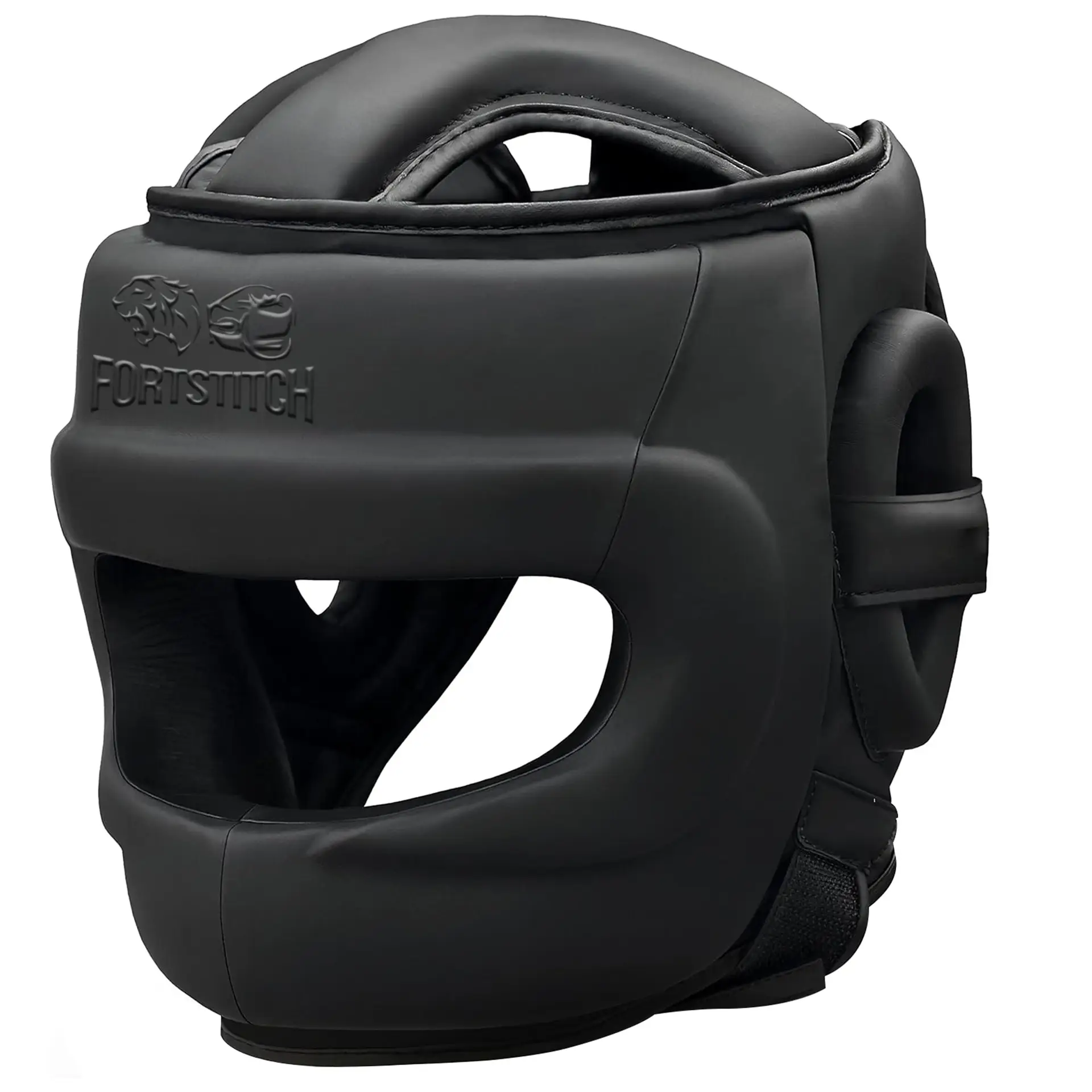
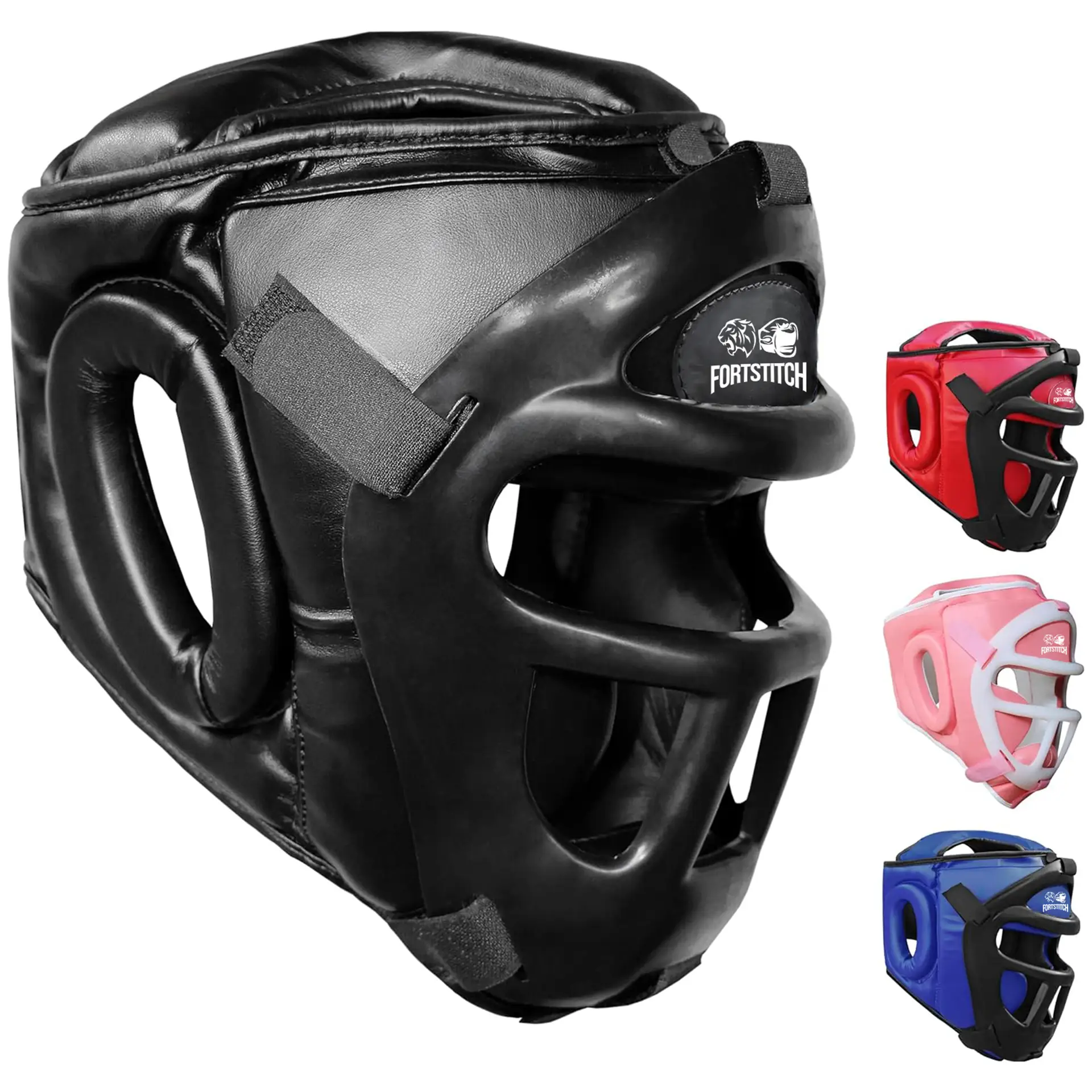
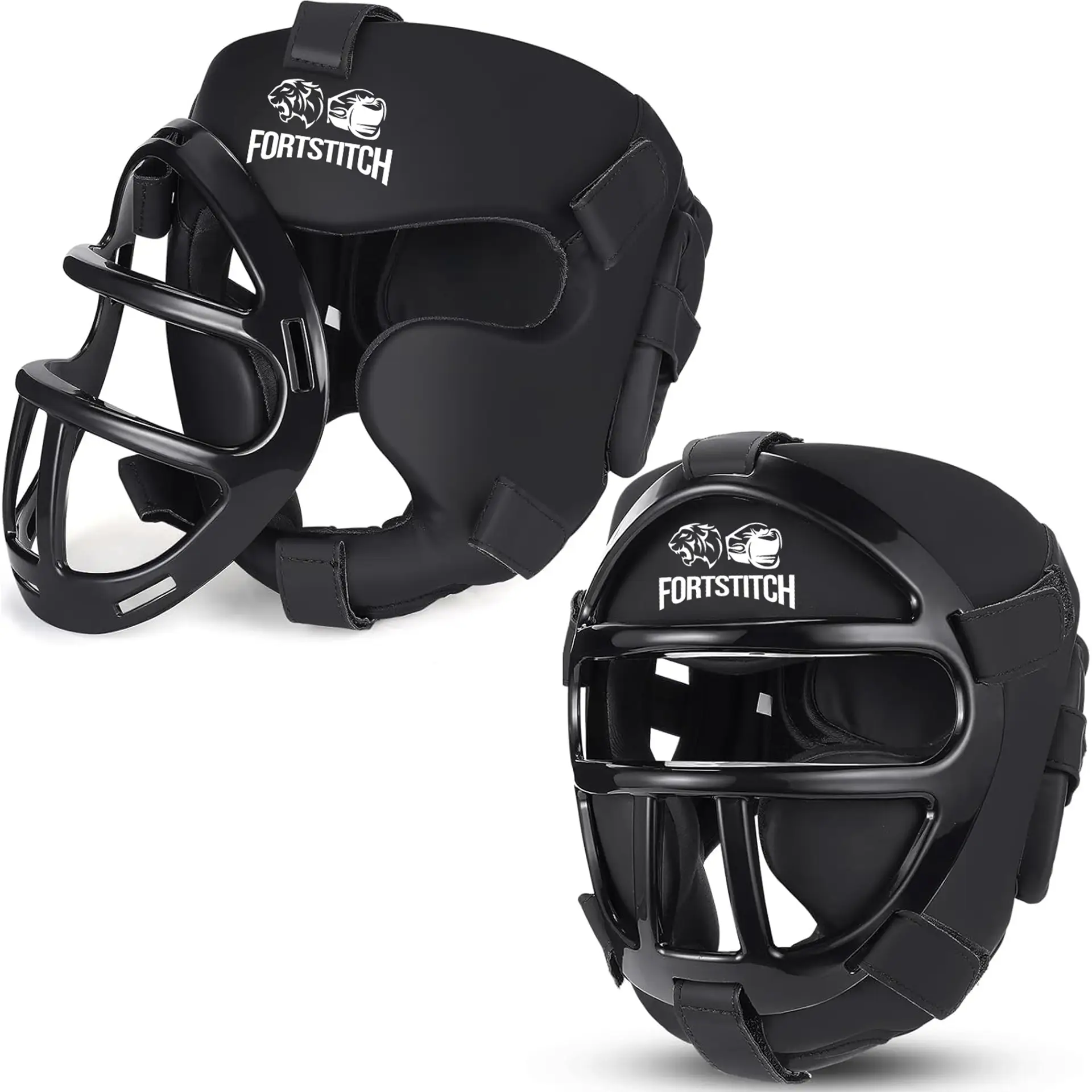
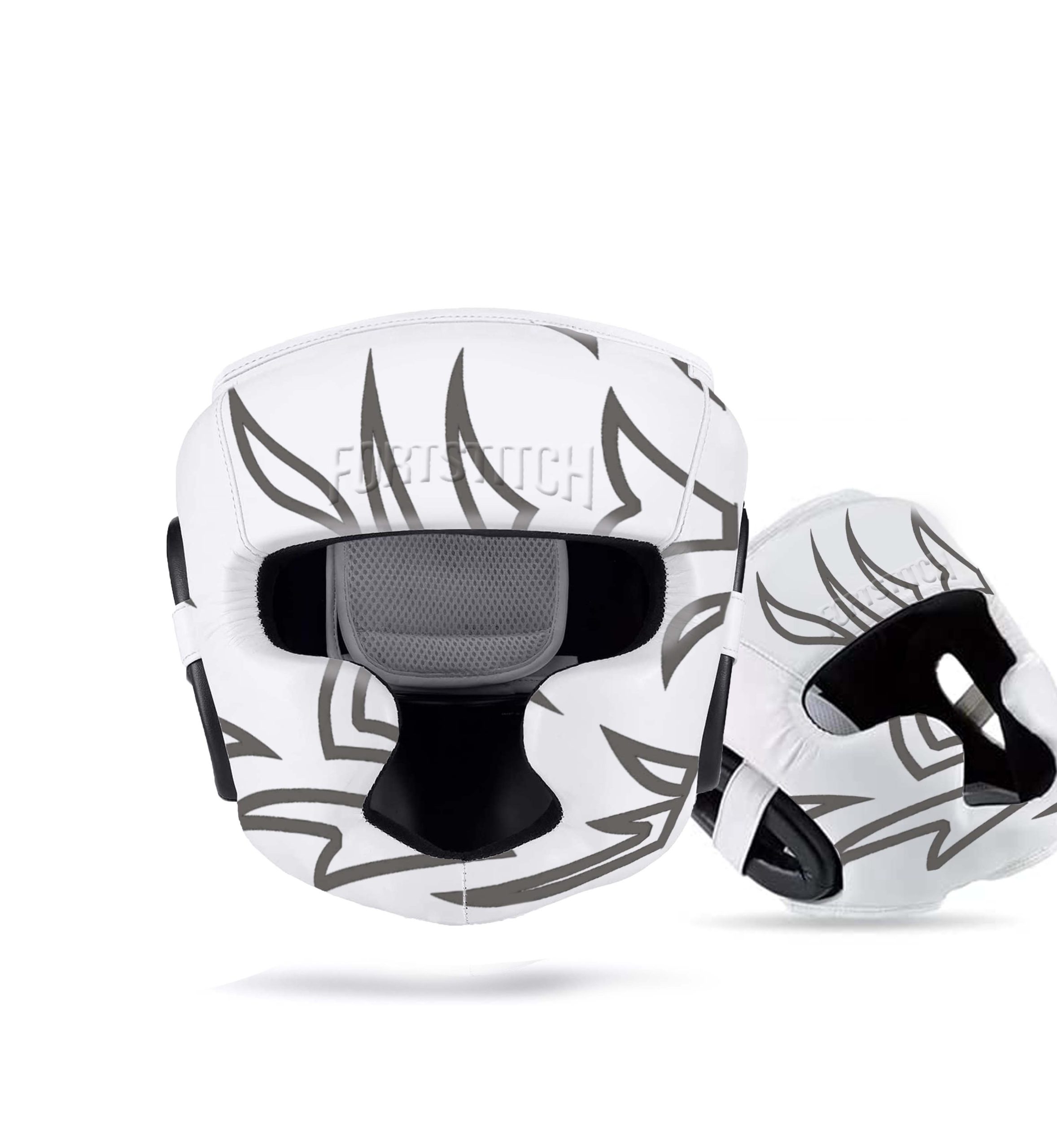
1. Full-Face Boxing Headgear (The Face Saver)
This headgear features a hard bar that covers your nose and mouth area. It connects from the forehead to the chin. It gives an aggressive look. I have spoken to athletes who said it gives them confidence to spar without the fear of injury.
Best For:
- A new fighter worried about a broken nose before the competition.
- The person who has already had rhinoplasty.
- A person who cannot afford a dental bill or a black eye for a client-facing job.
Limitation:
The sense of ultimate protection comes with a price. Many users report a significant blind spot below their eyes. The bar can mess with your vision, making you an easy target for uppercuts.

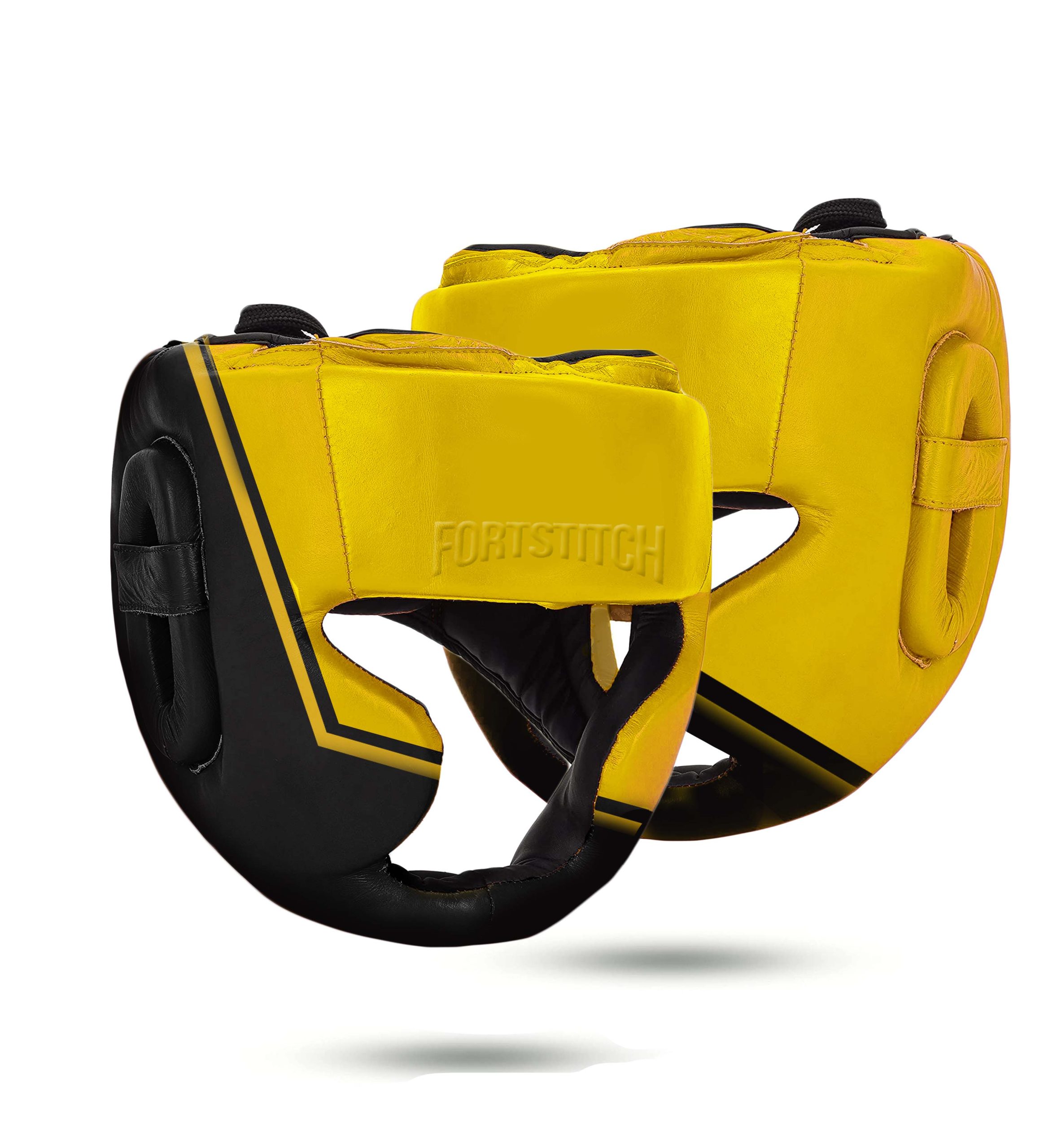
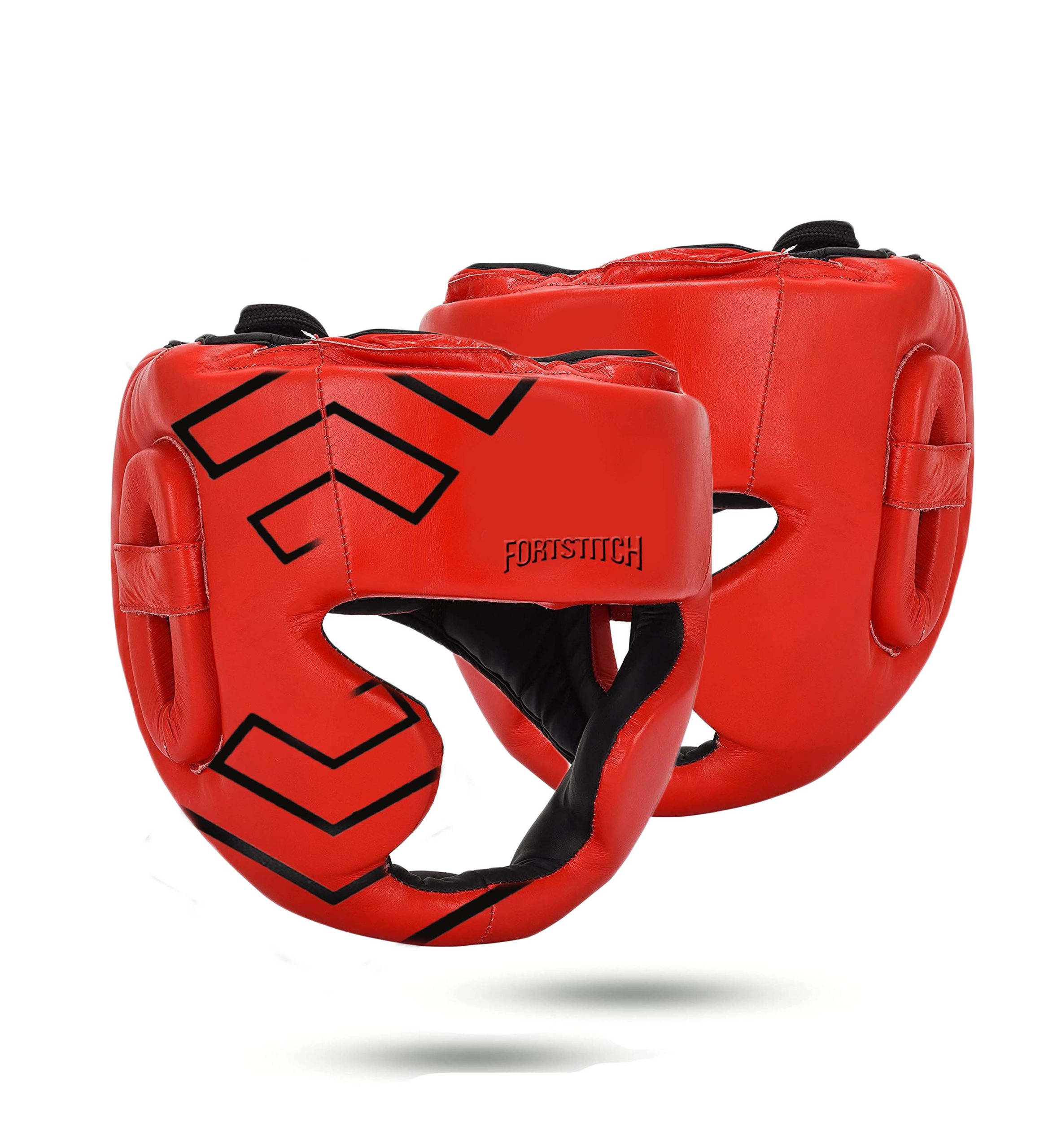
2. Open-Face Headgear (Competition Style)
These headgears are what you often see in amateur boxing matches. They have cheek protectors but leave the whole nose, mouth, and chin area exposed.
Best For:
- An amateur fighter who needs to get used to the legal gear.
- An intermediate fighter who prefers visibility above all.
- A fighter who wants to see punches and mimic a real fight.
Limitations:
If you are not ready to keep your hands up and manage distance, you will learn a harsh lesson soon. You will get your nose bloodied. This is what you must learn how not to happen.

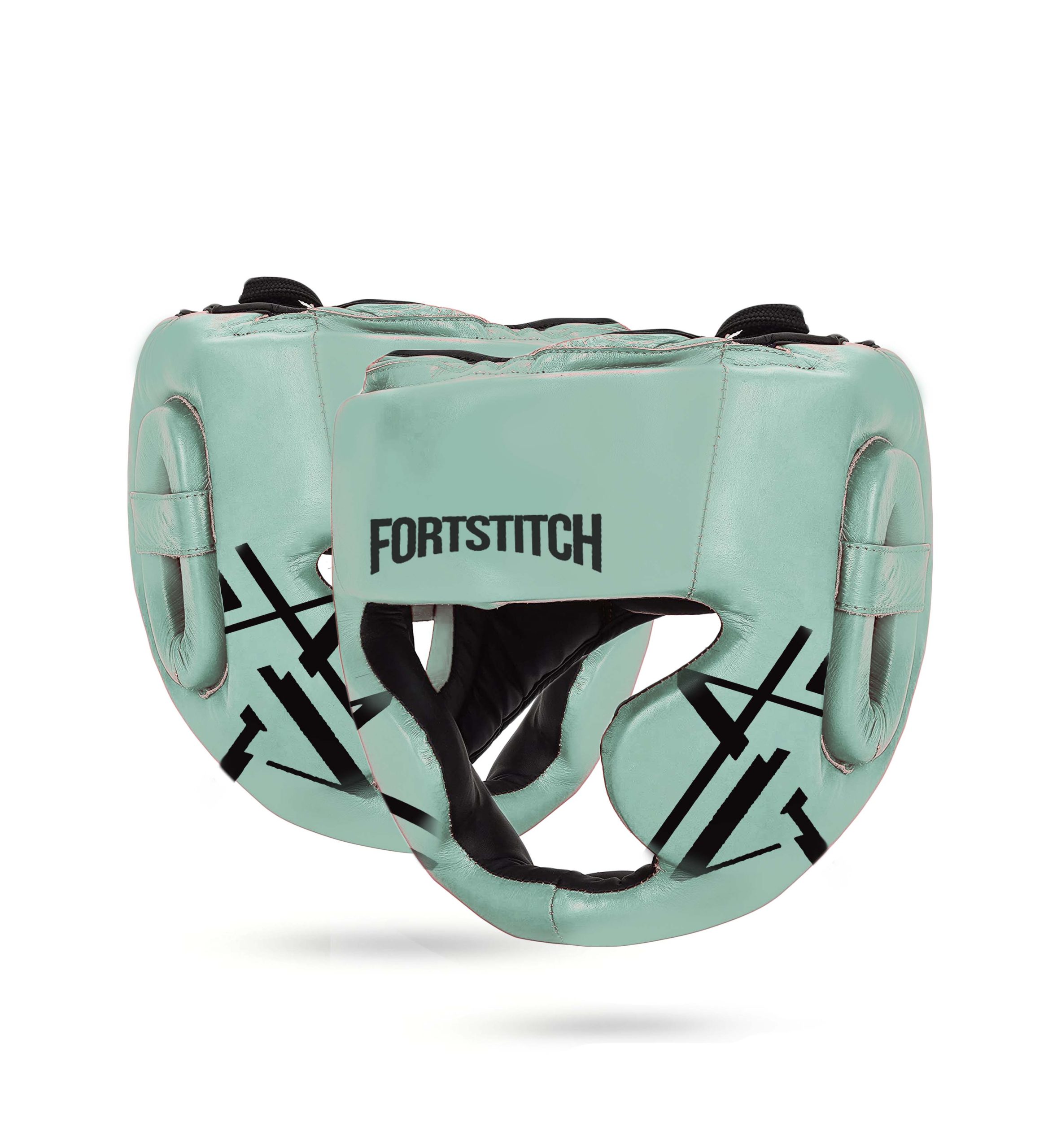
3. Mexican-Style Headgear (The Minimalist)
Also known as “old school” cheek protectors. A sleek and snug-fitting headgear that many professional fighters use during sparring. The cheek pieces are small and soft, tapered away from the eyes.
Best For:
- A person who wants to balance protection without losing vision.
- Anyone who wants a low risk of injury.
- Fighters who like to counterpunch.
- Fighters of all ages.
Limitations:
It has thinner padding. It means less absorption of crushing power. You need to have defensive instincts to reduce the risk.

4. BJJ and Grappling Headgear (The Ear Savers)
This is a completely different type. Mistaking it for boxing headgear is a painful error. Often called “soft shell” headgear, these have no hard plastic and minimal bulk on top of the head. They look more like a wrap with chin straps than traditional boxing headgear.
Best For:
- The grappler dealing with the cycle of dread that is cauliflower ear.
- Anyone who wants to roll, shoot for takedowns, and scrape their ears on the mat without damage.
Limitations:
It gives zero punch protection. This type of headgear is not designed for boxing sparring or striking drills.
The Importance of Headgear in Boxing
The most shocking thing I knew was that boxer headgear is not designed to prevent brain injuries. Yes, read that again. I discussed it with retired athletes and coaches, and they told me the same thing. Headgear’s primary job is to prevent facial injuries. The brain still feels the impact inside the skull. There is not an inch of foam that can completely stop that force.
A study in the Clinical Journal of Sport Medicine even noted that headgear removal in elite amateur boxing led to fewer stoppages due to head blows. This may be because fighters became more cautious and benefited from improved vision.
So why wear it?
It’s a cut-and-bruise insurance policy. It lets you spar on a Tuesday and still walk into a meeting on Wednesday without looking like you were in a car accident.
Once you shift your expectations from “brain safety” to “face safety”, you can choose your gear much more wisely.
Key Features to Look for in Boxing Headgear
Forget the marketing buzzwords on the box. After testing gear and listening to community feedback, these are the features that will make or break your experience in the gym.
1. The Thermoregulation Factor (Don’t Panic in There)
A good boxing headgear is one that lets you breathe. Many fighters experience panic not because of exhaustion, but because it feels like their head is wrapped in a plastic bag. Low-cost synthetic materials do not breathe well. Heat stays trapped, sweat builds up, and your cardio feels worse even when your lungs are working perfectly.
Look for headgear with ventilation holes and original leather construction that helps wick away moisture. Your brain runs hotter than the rest of your body, so keeping your head cool helps you stay focused and perform better.
2. The Fit That Doesn’t Slide
This is the classic “one-size-fits-none” problem. Headgear that is too big can rotate after impact, pushing the eye opening down and blocking your vision in the middle of a combination. Headgear that is too small creates painful pressure and tension headaches during training.
Before buying, measure your head circumference carefully. Look for models with adjustable rear lacing systems rather than relying only on a single Velcro closure. Laces allow precise adjustments around the crown and chin area for a secure and comfortable fit.
3. The “Biohazard” Factor (Maintenance That Matters)
No one talks about this enough. Pulling out headgear that smells like a forgotten gym bag is unpleasant for everyone. Bacteria buildup not only creates odors but also shortens the life of your equipment.
When you buy headgear, keep disinfectant wipes nearby and consider using cedarwood inserts. After every training session, wipe down the inside and outside surfaces immediately. Never leave it stuffed inside your gym bag. Allow it to air dry in a well-ventilated area. This simple habit helps preserve the padding, eliminate odors, and keep your gear in excellent condition.
Ready to Find Headgear That Actually Fits and Breathes?
Browse our curated selection of genuine leather, ventilated boxing headgear built for fighters who refuse to compromise on comfort, visibility, and protection.
Check Our Collection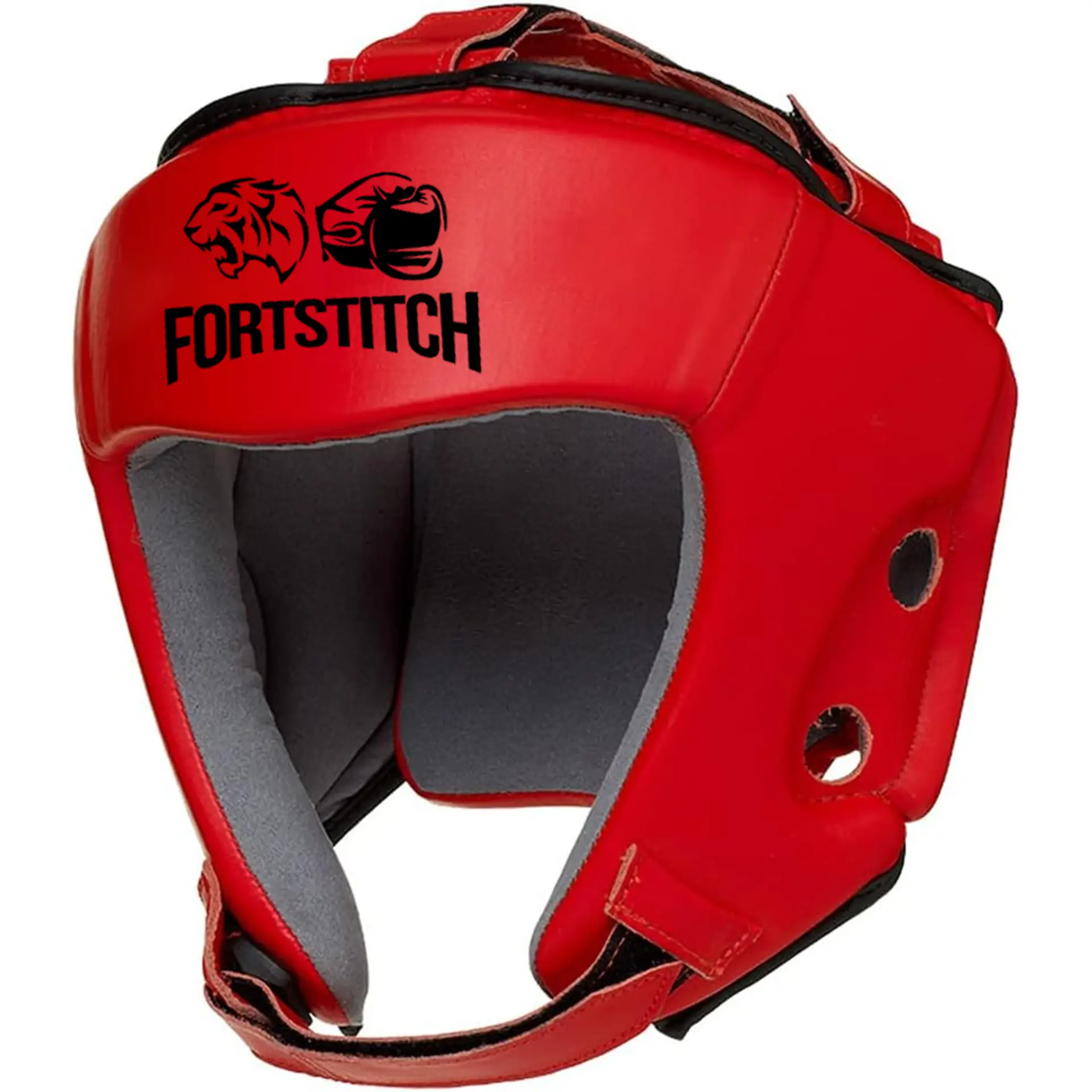
How to Choose the Headgear
Let’s make this simple. Instead of reading a dozen more reviews, answer these questions in order:
1. What Is Your Primary Sport?
If you are solely grappling (BJJ/Wrestling) and never get punched, buy a grappling-specific soft shell.
If you are doing striking (Boxing, Muay Thai, MMA, or sparring with punches), move to Question 2.
2. What Is Your Deepest, Most Honest Fear?
3. Do You Overheat Easily or Feel Claustrophobic?
The right headgear is not about buying the most expensive option. It is about choosing the model that matches your sport, comfort level, and protection needs. Answer these three questions honestly, and your decision becomes much easier.
Gender Specific Headgear
There is not much difference in men’s and women’s headgear. Both provide the fundamental protection. The critical difference is in the fit geometry around the cheekbones, jawline, and the ponytail dilemma. Many women find that youth or specific “narrow fit” models stay more secure and do not slip during training.
Also, if you have long hair tied in a high bun or ponytail, standard rear straps can push the headgear forward. In this case, headgear with a top-cross strap system will be best suited. This small design detail can create a massive difference in comfort, stability, and overall performance during training sessions.
A Crucial Tip For The Big Day
New headgear, especially genuine leather models, will feel like a stiff hug. Don’t wait until fight day to unwrap it. Wear it during shadowboxing and technical drills, and even while doing a bit of conditioning at home.
You need the body heat and sweat to mold the foam and leather to your specific face shape. A headgear that’s fresh out of the box on sparring day is a recipe for a distracted, uncomfortable session that can ruin your timing and focus.
Fort Stitch Boxing is What You Are Looking for
If you have struggled with one-size-fits-all and other problems, you must know that not all gear comes from one retail shelf. You need to approach a professional domain of the market. Fort Stitch , a manufacturer in Sialkot, Pakistan. They operate in custom and bulk production for gyms and teams.
Their approach does not force your head shape to adapt, but they build headgear with individual specifications using the latest injection-molded foam technology. This is the kind of gear you never see in big-box stores.
If you are still looking for this kind of gear for your brand, contact us to start designing the gear you are missing.
Contact UsConclusion
We started our conversation keeping in mind the anxiety we all face. But now we know we don’t need the “best” from any top-ten list. You need to understand your needs, your fears, and your specific stage of training.
Each type of headgear has its own benefits and shortcomings. There is no single winner. The right choice is simply the one that matches your sport and keeps you confident inside the gym.
Your job is to show up, and your gear is to let you do it safely, consistently, and without hesitation.
FAQs
Q1. What are the different types of boxing headgear?
Full-face (face saver), open-face competition style, Mexican-style with low-profile cheek protectors, and grappling-specific soft-shell ear guards. Each solves a different problem: nose protection, visibility, minimal bulk, or cauliflower ear prevention.
Q2. How do I know which boxing headgear fits me?
Measure your head circumference first. A proper fit stays put without sliding over your eyes mid-combo, yet doesn’t squeeze so tight it causes tension headaches. Lace-up backs offer better micro-adjustments than Velcro.
Q3. What are the 4 types of boxers?
Swarmer (relentless inside pressure), Out-Boxer (distance and jab), Slugger (pure knockout power), and Boxer-Puncher (technical power blend). Headgear choice often mirrors fighting style—swarmers need visibility, sluggers prioritize protection.
Q4. What type of headgear is best?
There isn’t a universal best—only the right one for your fear. Face-savers protect noses, open-face sharpens vision for competition, and Mexican-style suits are for experienced fighters who trust their defense and hate blind spots.
Q5. What is the safest boxing headgear?
Full-face headgear with a nose bar offers the most facial protection against cuts and fractures. But no headgear fully prevents concussions—safety ultimately depends on your defensive skills, controlled sparring, and proper fit.